How to Tell If a Bone Is Broken Before You Reach an ER
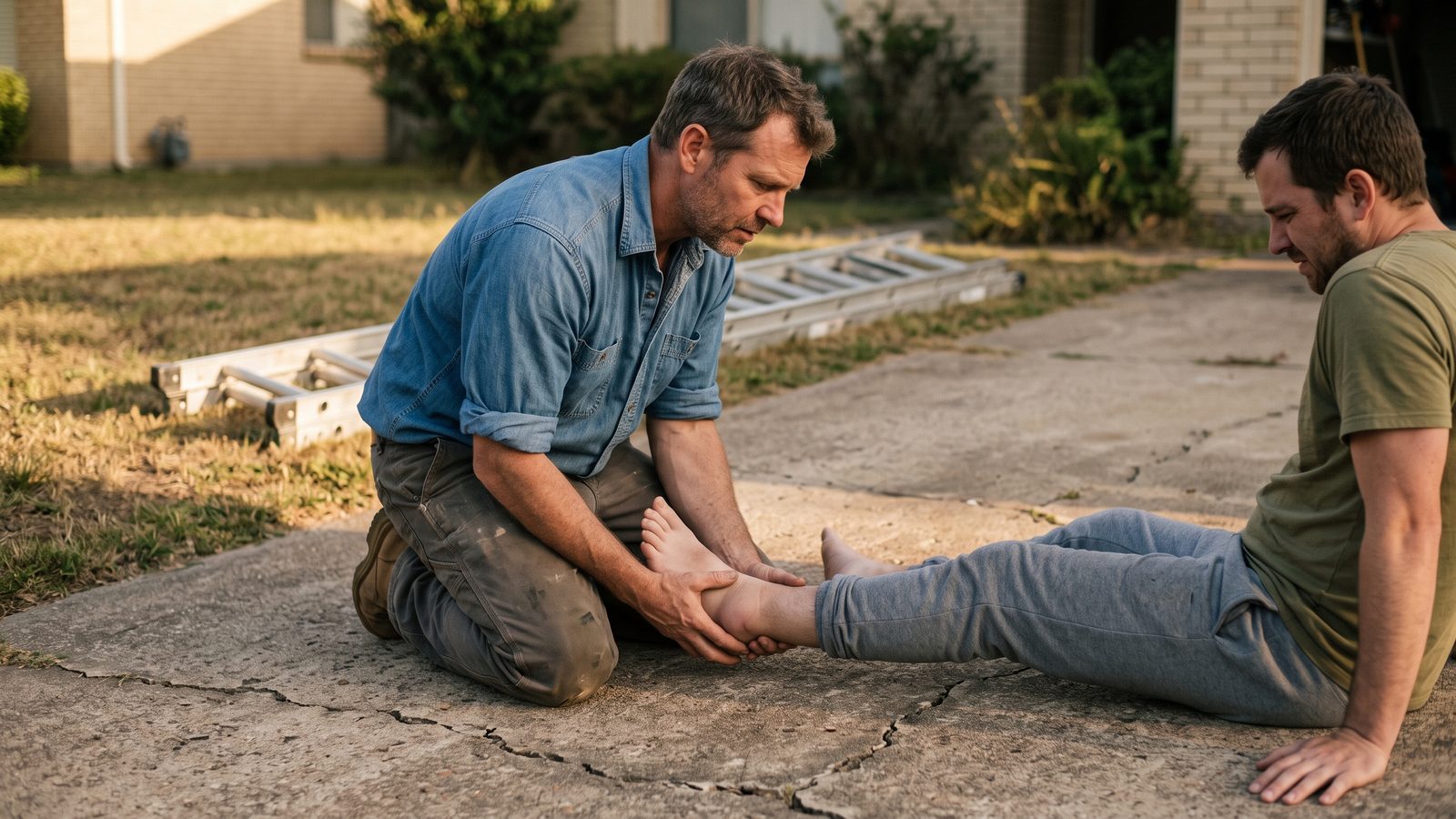
Somebody goes down off a ladder or off the last two stairs, and everyone standing there wants to know how to tell if a bone is broken without an X-ray machine. The ankle is already puffing up. Somebody says it is probably just a bad twist. Here is the honest version of the answer.
You cannot diagnose a fracture in a driveway, and anyone who tells you otherwise is selling something. What you can do is read the injury well enough to know how fast to move and what not to do on the way. That is a smaller question, and it has real answers.
How to Tell If a Bone Is Broken: Three Checks That Actually Matter
Emergency clinicians do not work off the symptom list you find on most websites. They work off a short sequence of physical checks, and you can run a rough version of the same sequence in about ninety seconds.
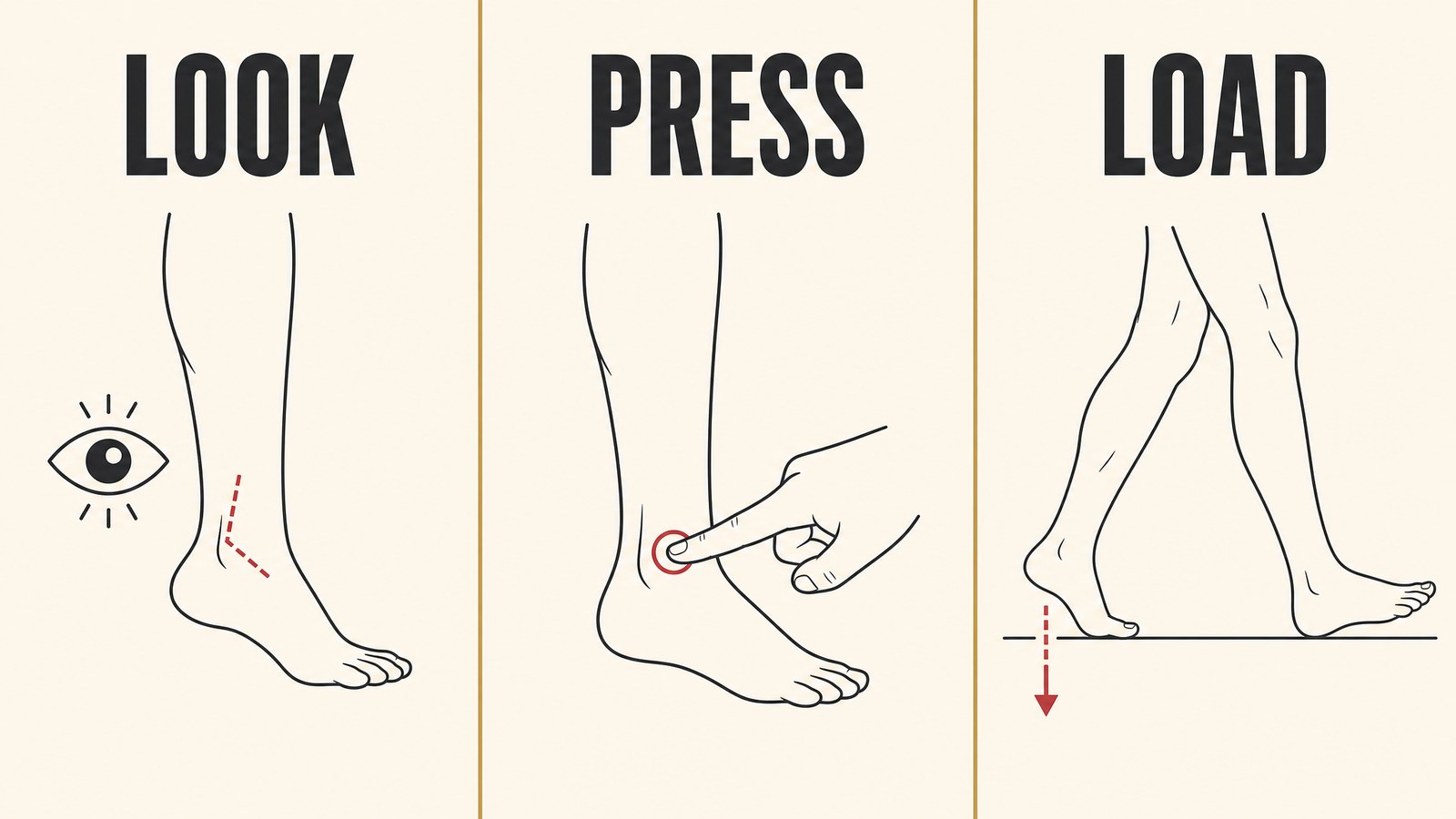
First, look. Does the limb hold a shape it should not hold? Second, press. Where exactly does it hurt when you touch it, and does that spot sit on bone or on the soft tissue around it? Third, load it. Can the person put weight through it or grip with it at all?
Look, press, load. That order matters, because a bad result on the first check means you skip the other two entirely and go. Nothing below is worth doing on a limb that is already visibly bent.
Point Tenderness Is the Single Most Useful Thing You Can Check
This is the one most people never think to do, and it separates a fracture from a soft-tissue injury better than anything else available outside a hospital.
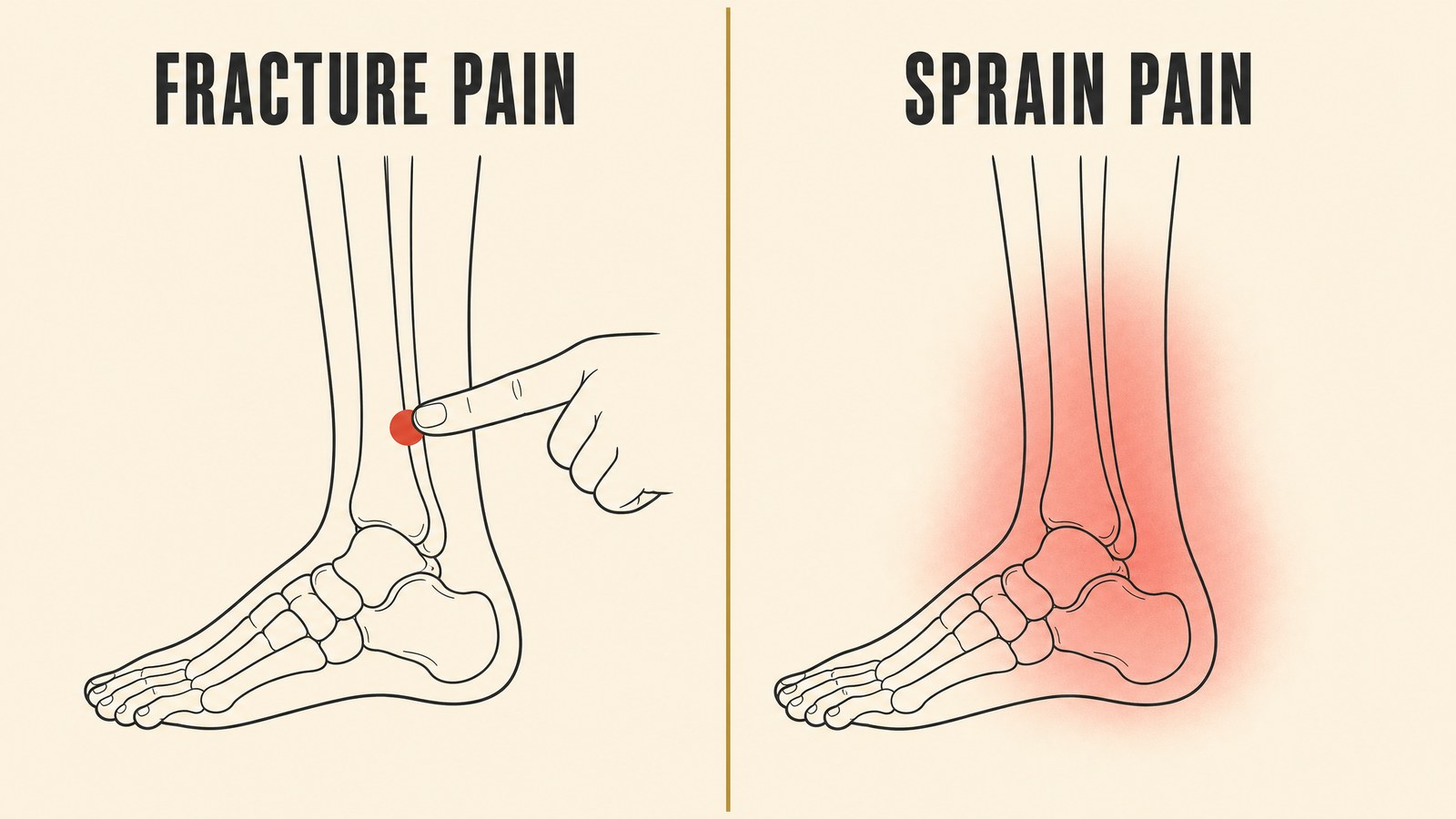
Use one fingertip. Not a whole hand, not a grip. Press gently along the length of the bone, moving in small steps, and watch the face rather than the injury. You are looking for a spot where the response changes sharply, where a mild wince becomes a genuine reaction over an area about the size of a coin.
That is point tenderness, and when it sits directly over bone it argues for a fracture. A sprain hurts too, but it hurts differently. Sprain pain spreads across the soft tissue around a joint, and pressing anywhere in that zone produces roughly the same complaint. Fracture pain has an address.
This is not a folk technique. It is the backbone of the Ottawa ankle rules, the decision tool emergency departments use to decide who actually needs an X-ray. A systematic review of 27 studies covering more than 15,000 patients found the rules caught 97.6% of fractures, with roughly a 1.7% chance of a fracture after a negative result. Two of the three criteria are bone tenderness at specific points. The third is coming up next.
One caution worth stating plainly: those rules are applied by a clinician doing a full exam, and they were built for ankles and midfeet. Your fingertip version is useful for deciding how urgently to go. It is not a clearance test, and a clean result does not mean you skip the X-ray.
Can You Put Weight on It or Grip With It?
The Ottawa standard is four steps. Not a hobble, not a hop on the good leg. Four actual steps taking weight through the injured side, both right after the injury and again when someone examines it. Being unable to manage that is one of the findings that sends a person to imaging.
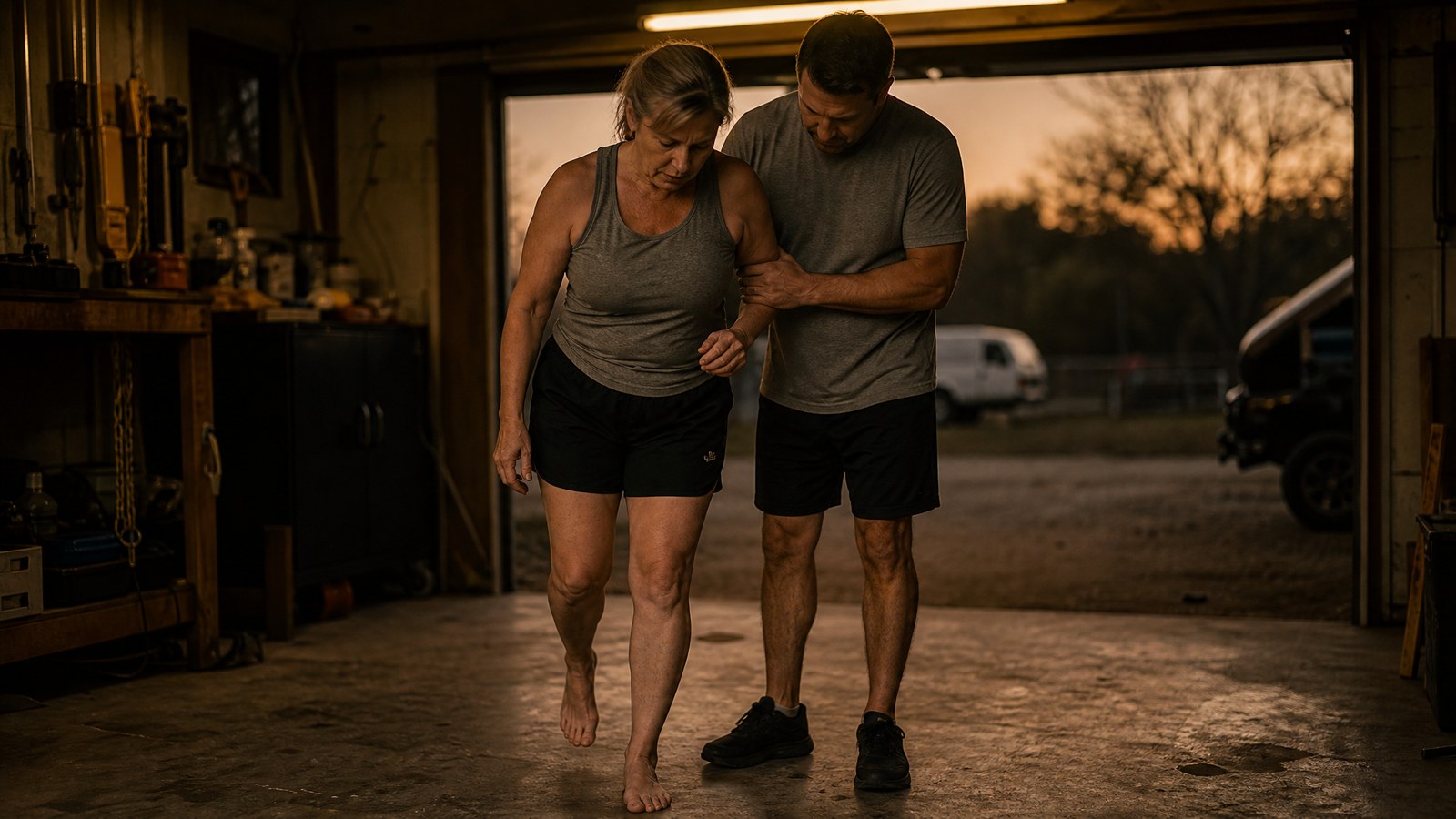
For an arm, wrist, or hand, the equivalent question is grip and rotation. Can they close a fist, turn a doorknob, hold a phone? A wrist that will not rotate without a sharp catch is worth taking seriously.
Now the part that gets people into trouble. Being able to walk on it does not mean it is not broken. This belief sends more people home from a real fracture than any other, and it is wrong for a straightforward reason. A fracture where the pieces have barely moved, what clinicians call a stable or non-displaced fracture, still has bone holding the load. It hurts, but it holds. People walk on broken feet for a week.
So treat the weight-bearing check as a one-way signal. Failing it pushes hard toward fracture. Passing it proves very little.
And do not run this check at all if the limb looks deformed, feels numb, or is bleeding badly. Loading a displaced fracture can shift the pieces and damage the nerves and blood vessels around them.
What Swelling and Bruising Actually Tell You
Less than you would think. This is where most people's reasoning falls apart, because swelling is the most visible thing happening and the brain treats visible as meaningful.
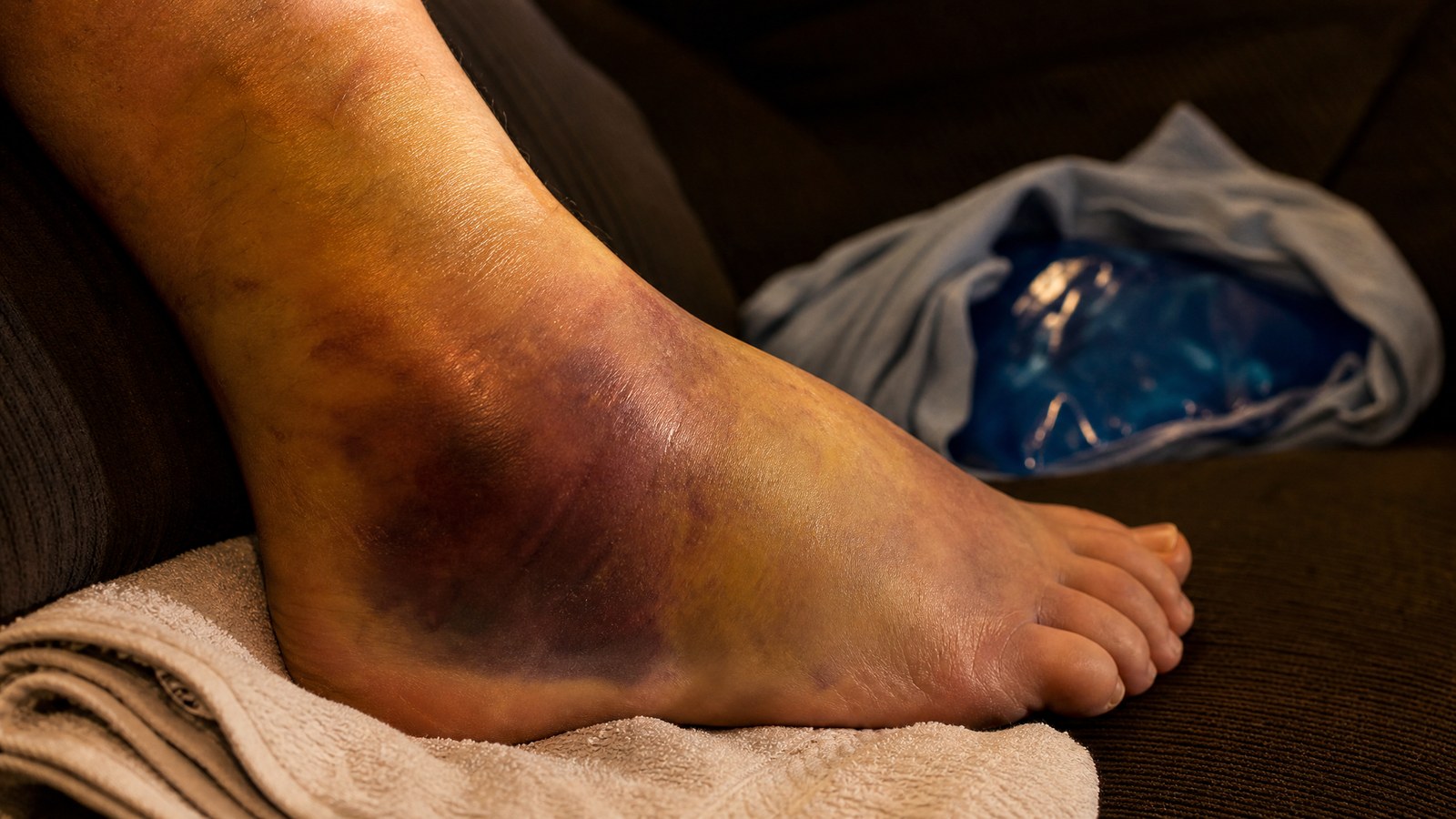
Swelling and discoloration confirm that tissue was injured. Both appear with fractures, and both appear with sprains, and a bad ankle sprain can swell faster and look uglier than a clean break. Some of the most impressive bruising you will ever see comes from injuries with no fracture at all.
There is one exception worth knowing. Swelling that arrives within minutes and keeps building, paired with a limb that feels tight and increasingly painful out of proportion to the injury, is its own emergency and needs to be seen immediately. That is not a fracture clue. That is a pressure problem.
Otherwise, note the swelling, ice it, and stop using it as evidence either way.
How to Tell If a Bone Is Broken When It Barely Hurts
Some fractures announce themselves. Others are quiet, and the quiet ones are where people get hurt twice.
When a bone is stressed just past its limit, it can crack rather than break all the way through. AAOS describes it well: exceed the breaking point only slightly and the bone may crack instead of separating. Those cracks can produce pain that is real but tolerable, the kind you decide to walk off.
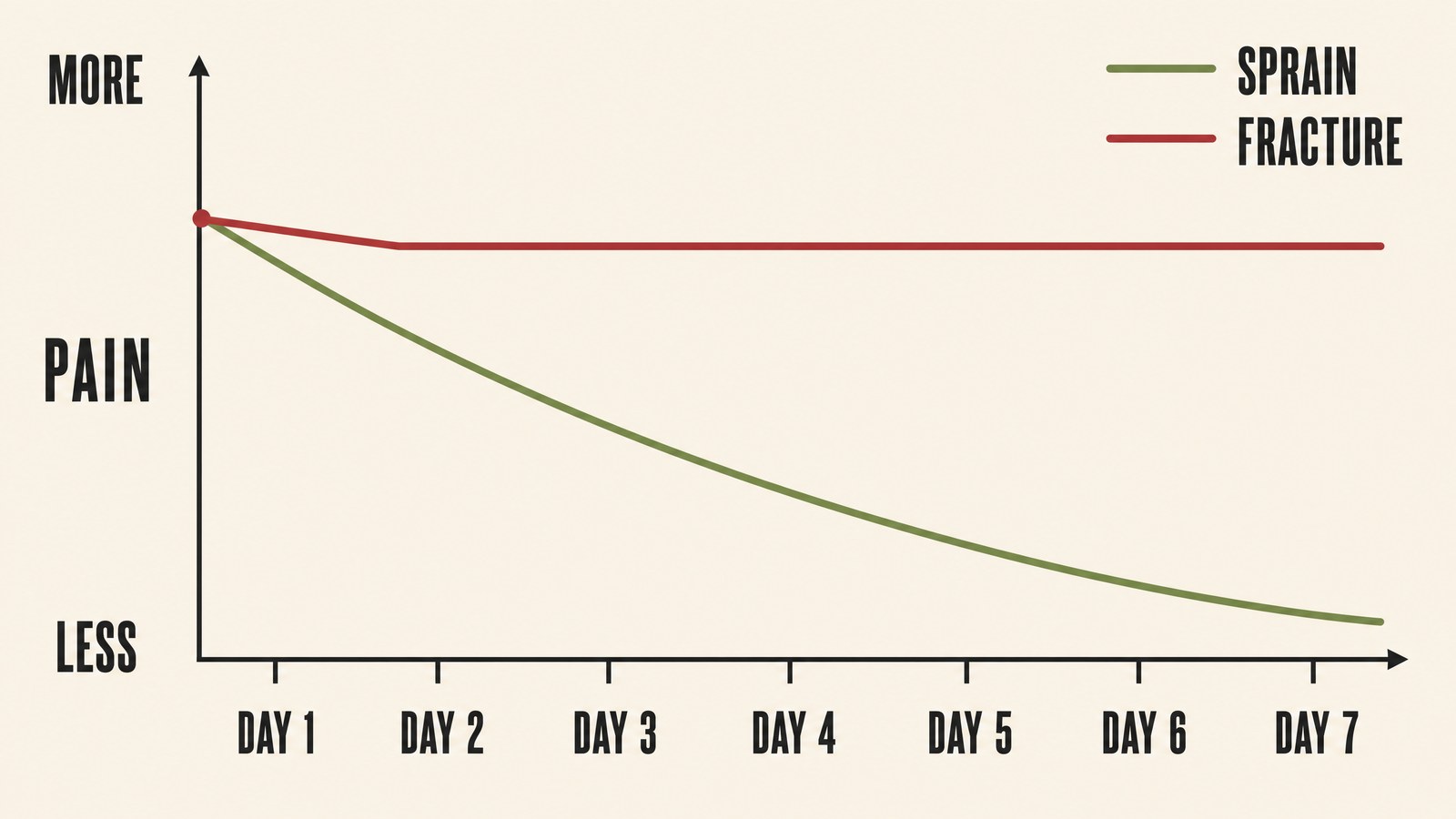
The pattern to watch for is pain that does not follow the normal recovery curve. A sprain hurts most in the first day or two and then steadily improves. A crack tends to plateau. Day five feels like day two, the same specific spot still objects when you press it, and activity reliably brings it back. Stress fractures from running or repetitive work behave the same way, building over weeks with no single moment of injury to point at.
If you are five to seven days out and one particular spot on the bone is still sharply tender to a fingertip, get it imaged. There is a related trap on the back end of this: pain usually stops well before the bone is strong enough for normal loads. Feeling better is not the same as being healed.
Signs That Mean Stop Checking and Go Now
Some findings end the assessment. If any of these are present, immobilize what you can, do not test anything, and get moving. The NHS lists most of them as emergency-department criteria:
- The limb has changed shape, sits at an odd angle, or looks shortened or rotated
- Bone is visible, or a wound opens down toward the break
- Numbness, tingling, or pins and needles below the injury
- The hand or foot below the injury is pale, blue, or cold
- Bleeding you cannot control with direct pressure
- Pain severe enough that the person cannot tolerate any movement
- A suspected break in the hip, thigh, pelvis, spine, or skull, or any injury from a significant fall or a vehicle crash
For that last group, call emergency services rather than driving. If a fall is involved and there is any question about the head or spine, leave the person where they are and read our guidance on falls from a ladder or roof and on concussion warning signs before you move anything.
Never try to straighten a limb or push a bone back into place. That is a hospital procedure done with medication for good reason.
What to Do While You Wait to Be Seen
Once you have decided to go, the job is to keep things from getting worse.
Immobilize the injury in the position you found it. Support above and below the suspected break, and do not force alignment. Our walkthrough on how to splint a broken bone covers improvised options and, more importantly, how to check circulation past the splint after you tie it.
Get rings and watches off early. Fingers and wrists swell fast, and jewelry that comes off easily now may have to be cut off in two hours.
Ice through a cloth rather than against skin, in stretches of up to twenty minutes at a time. Elevate if you can do it without moving the injury. And skip food and drink on the way in, because a displaced fracture may need sedation or surgery to reset, and an empty stomach saves time when you get there.
If there is an open wound over the break, cover it with a clean dressing and apply pressure around rather than directly on any protruding bone. Open fractures carry a real infection risk and are treated with more urgency than closed ones. The same judgment applies to the wound itself, which is worth a look at our guide on whether a cut needs stitches.
Most of what makes the first hour go well comes down to having the right things within reach before you need them. A splint, a decent elastic bandage, shears that will actually cut a boot lace, and gloves you can find in the dark are worth more in that moment than any amount of knowledge. If your kit is a drawer full of adhesive bandages, our home first aid kit checklist is a reasonable place to start, and The 1stHour Trauma Kit covers the same ground in one grab-and-go package of 82 pieces.
This content is for informational purposes only and does not constitute medical advice. If you suspect a broken bone, seek professional medical care. Call emergency services for any visible deformity, bone through the skin, numbness below the injury, uncontrolled bleeding, or a suspected break of the hip, pelvis, spine, or skull.


