Stranded in Your Car in a Snowstorm: How to Survive Until Help Arrives
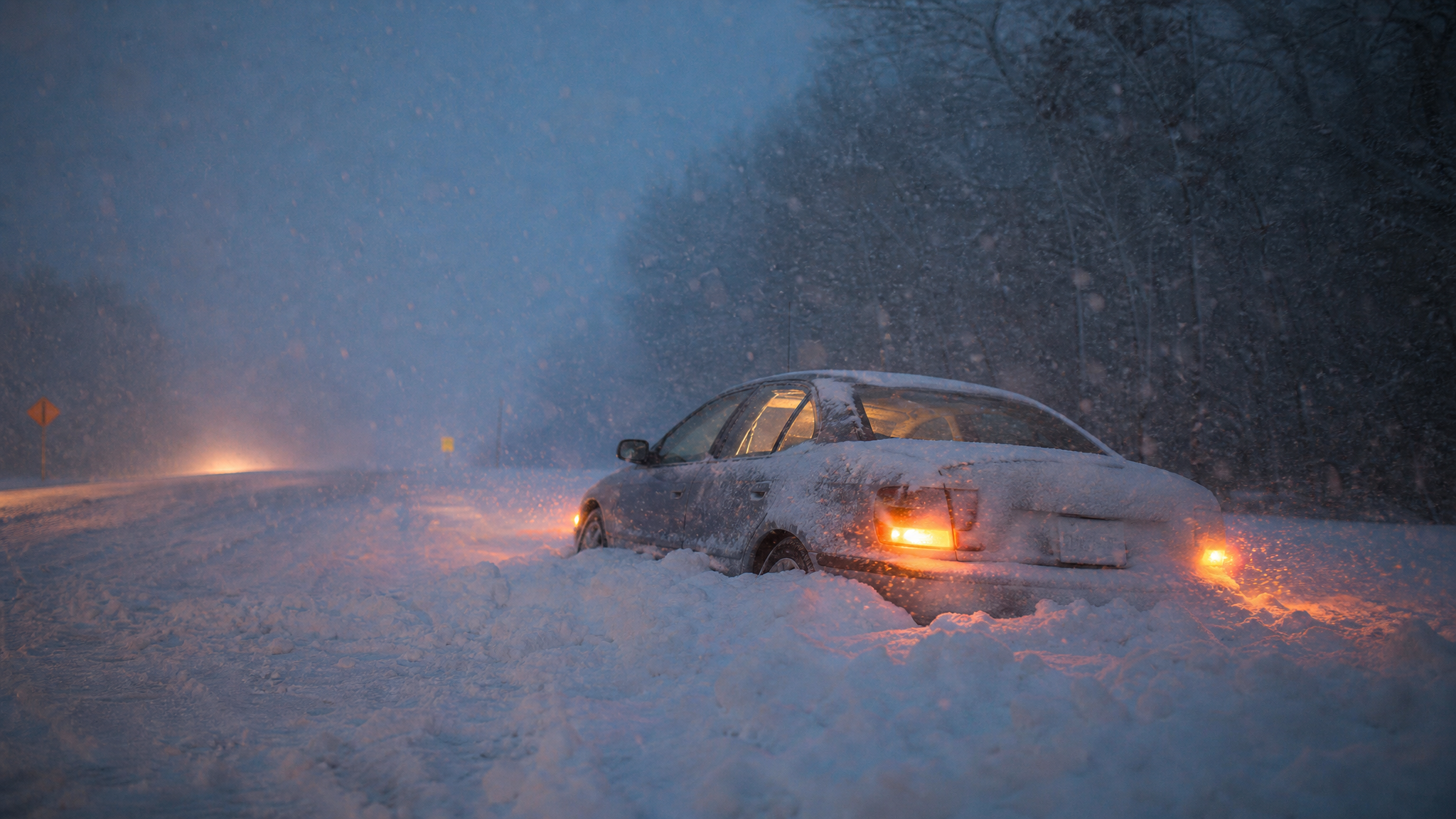
Getting stranded in your car during a snowstorm doesn't feel like an emergency at first. The engine is running, the heater works, and the radio still plays. Then an hour passes. The snow keeps stacking up against the doors, the fuel gauge starts to matter, and you realize nobody is coming down this road anytime soon. What you do next decides whether this becomes a long, cold, boring night or something far worse. The good news: the survival playbook here is simple, and almost everything you need is already inside the car with you.
The First 10 Minutes After You Get Stuck
Your first moves set up everything that follows. Work through them in order.
- Stay put and take one slow breath. Spinning the tires harder or jumping out to push wastes fuel and soaks your clothes. Wet clothing is how hypothermia starts.
- Call 911 before your phone gets cold. Give your best location: highway number, direction of travel, last exit or mile marker, or a GPS pin. Even if the call drops, dispatchers often get your coordinates.
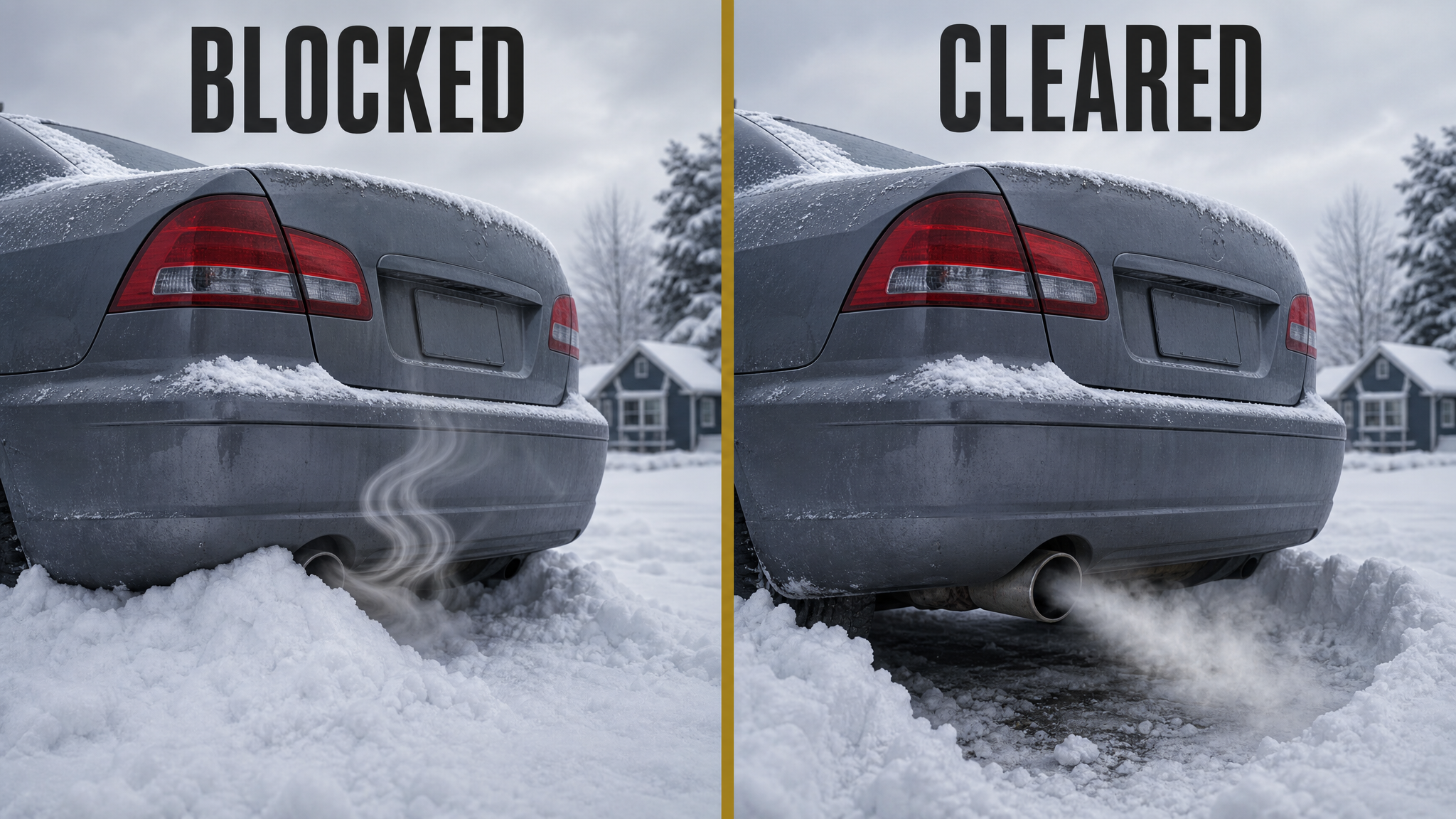
- Clear the exhaust pipe. Get out briefly, on the side away from traffic, and dig the tailpipe free of snow. This one habit prevents the deadliest mistake stranded drivers make. More on that below.
- Take inventory. Blankets, coats, food, water, phone chargers, floor mats. Knowing what you have changes how you ration heat and fuel.
- Make yourself visible. Hazard flashers if traffic might be near, and a bright cloth tied to the antenna or a door handle.
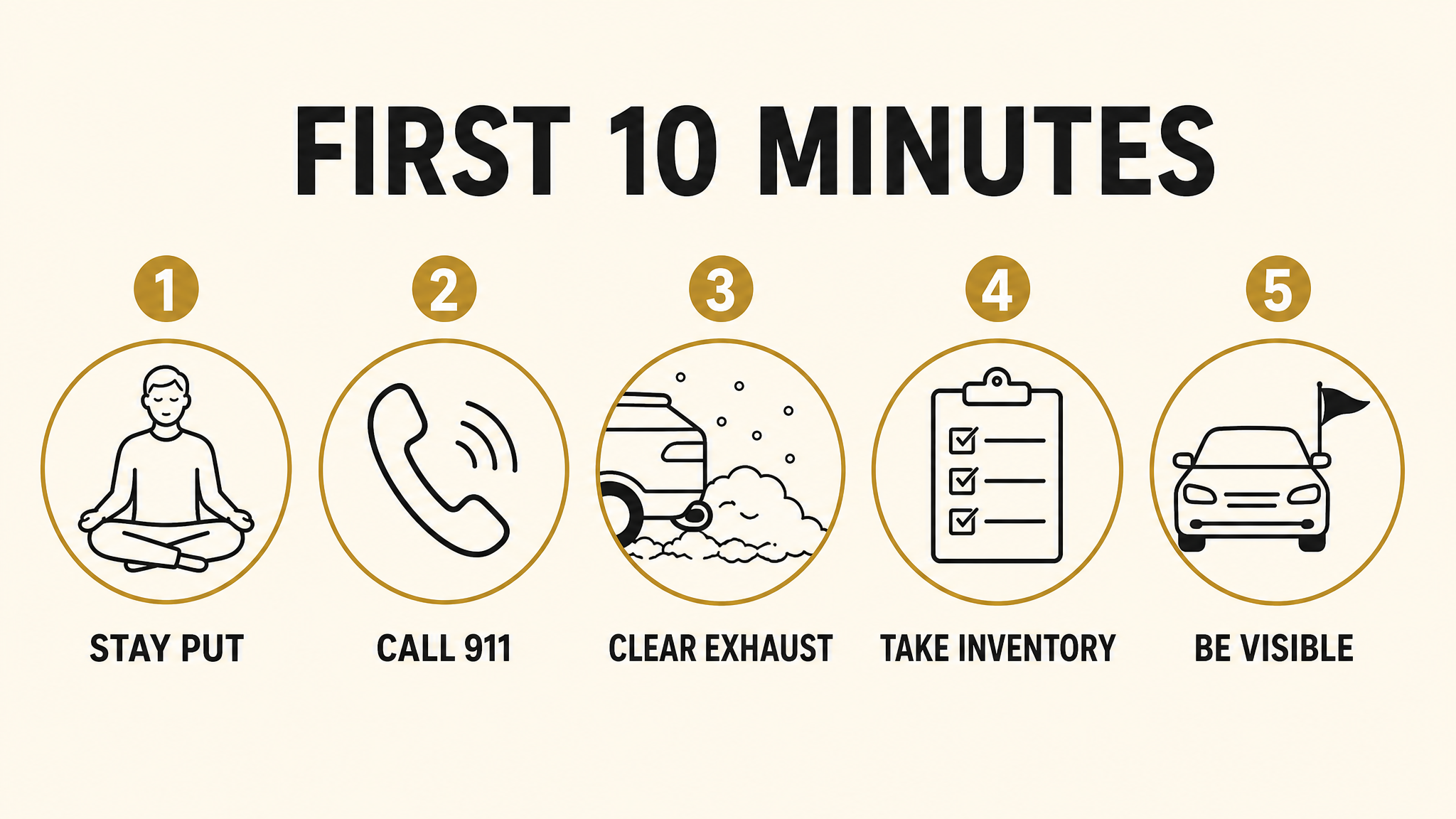
Ten minutes of calm setup buys you hours of safety margin.
Why You Should Stay With Your Car When Stranded in a Snowstorm
The urge to walk for help is strong, and it kills people almost every winter. Unless you can clearly see a building you know is occupied, within about 100 yards, stay with the vehicle. That's the standing guidance from the National Weather Service, and the reasoning is hard to argue with.
Your car is a windproof, waterproof shelter that rescue crews can actually find. A person on foot in a whiteout is nearly invisible, and disorientation comes fast when every direction looks the same. Distances lie in blowing snow. That gas station that looks like a 15 minute walk might be two miles out, straight into wind chill that freezes exposed skin in minutes.
There's a traffic argument too. Walking along a snow-covered road puts you exactly where sliding vehicles end up. Inside your car, you're protected from both the cold and the next driver who loses control on the same stretch that caught you.
Running the Engine Without Poisoning Yourself
Here's the rule: run the engine about 10 minutes each hour for heat, then shut it down. Before every restart, confirm the exhaust pipe is still clear of snow, and crack a window on the side sheltered from the wind while the engine runs.
The reason for all that caution is carbon monoxide. When snow blocks the tailpipe, exhaust gets forced back under the car and seeps into the cabin through the floorboard. You can't see it, smell it, or taste it. During the January 1996 blizzard, the CDC documented a cluster of poisonings in Philadelphia and New York City, most of them children and older adults sitting in idling cars with snow-packed exhaust pipes. One published case study found that carbon monoxide inside a snow-obstructed vehicle can climb to dangerous levels within minutes, even with a window partially open.
The early symptoms are sneaky: headache, dizziness, drowsiness, mild nausea. In a cold car at night, every one of those feels like ordinary tiredness. If anyone in the car develops them while the engine is running, shut it off, get fresh air moving through, and treat it as the emergency it is. We covered the full warning-sign list in our guide to carbon monoxide poisoning symptoms.
One more fuel note: the 10 minutes per hour cycle can stretch a half tank of gas across a full day or more. You're not trying to keep the cabin toasty. You're taking the edge off the cold, then coasting on trapped warmth.
How to Stay Warm With What's Already in the Car
Most cars carry more insulation than people realize. The goal is to trap the heat your body already makes and put barriers between you and cold surfaces.
Layer everything wearable, even the odd stuff. A spare shirt wrapped around your neck works as a scarf. Extra socks work as mittens. Floor mats make a decent barrier between you and a cold seat, and newspapers, maps, or seat covers stuffed inside a jacket add real insulating loft.
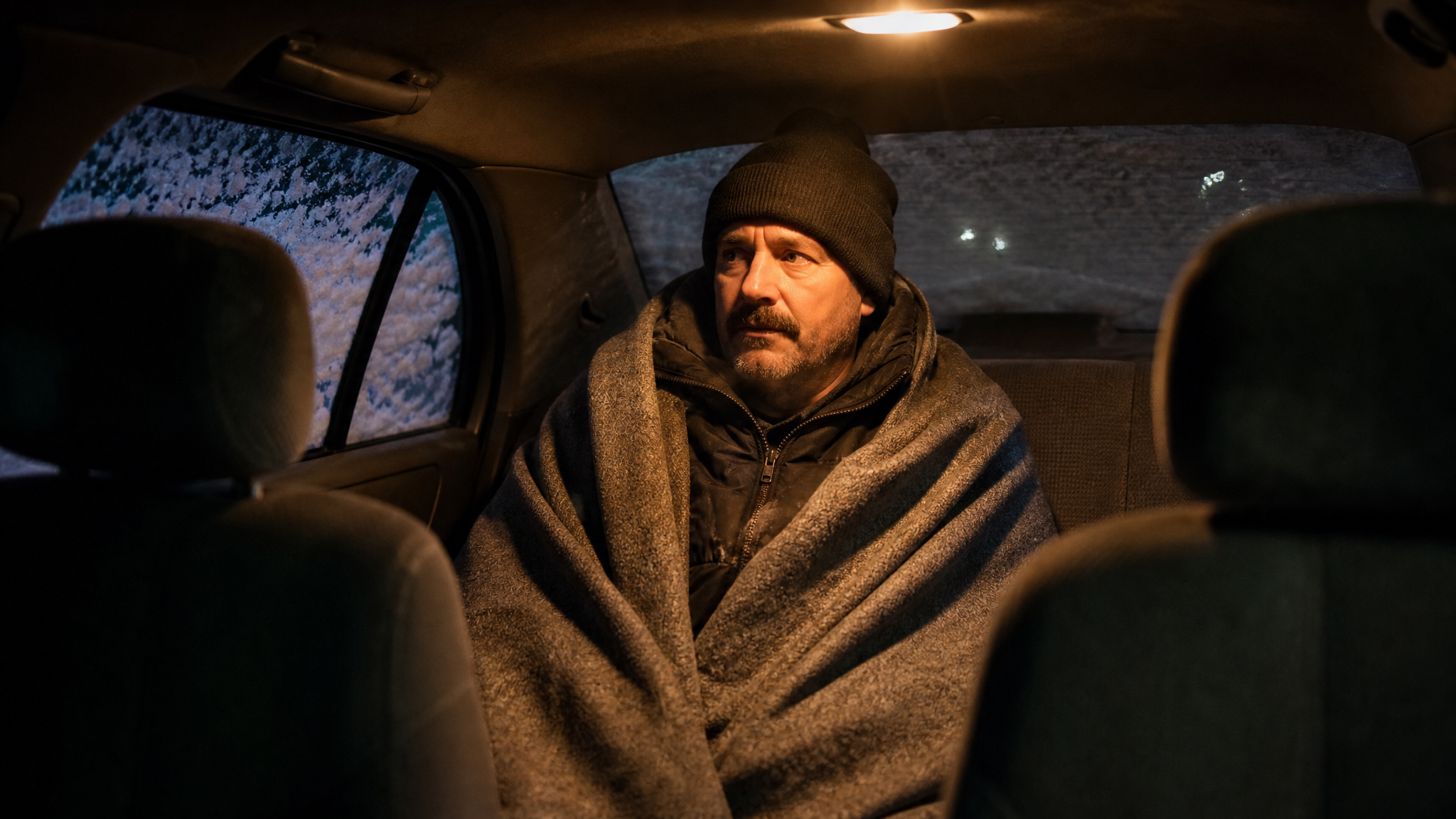
Huddle up if you're not alone. Sharing a back seat under one blanket beats two people staying separate under two. Keep blood moving with small movements: clap your hands, circle your ankles, tense and release your legs. Stop before you sweat. Damp base layers drain heat from your skin long after you stop moving.
Watch fingers, toes, ears, and nose. Numbness that turns waxy and pale is moving past cold into tissue damage, and rubbing makes it worse. Our frostbite first aid guide covers what to do, and what not to do, when that happens.
Signaling for Help When You're Stranded in a Snowstorm
A stranded car that looks abandoned gets driven past. A car that signals distress gets stopped for.
Tie something bright, red if you have it, to the antenna, a mirror, or a door handle where wind won't bury it. At night, turn on the dome light while the engine runs. It draws little power and makes you visible from a surprising distance. Once the snow stops falling, raise the hood: it's a widely recognized distress signal that also tells plow drivers there's a person inside, not an abandoned vehicle.
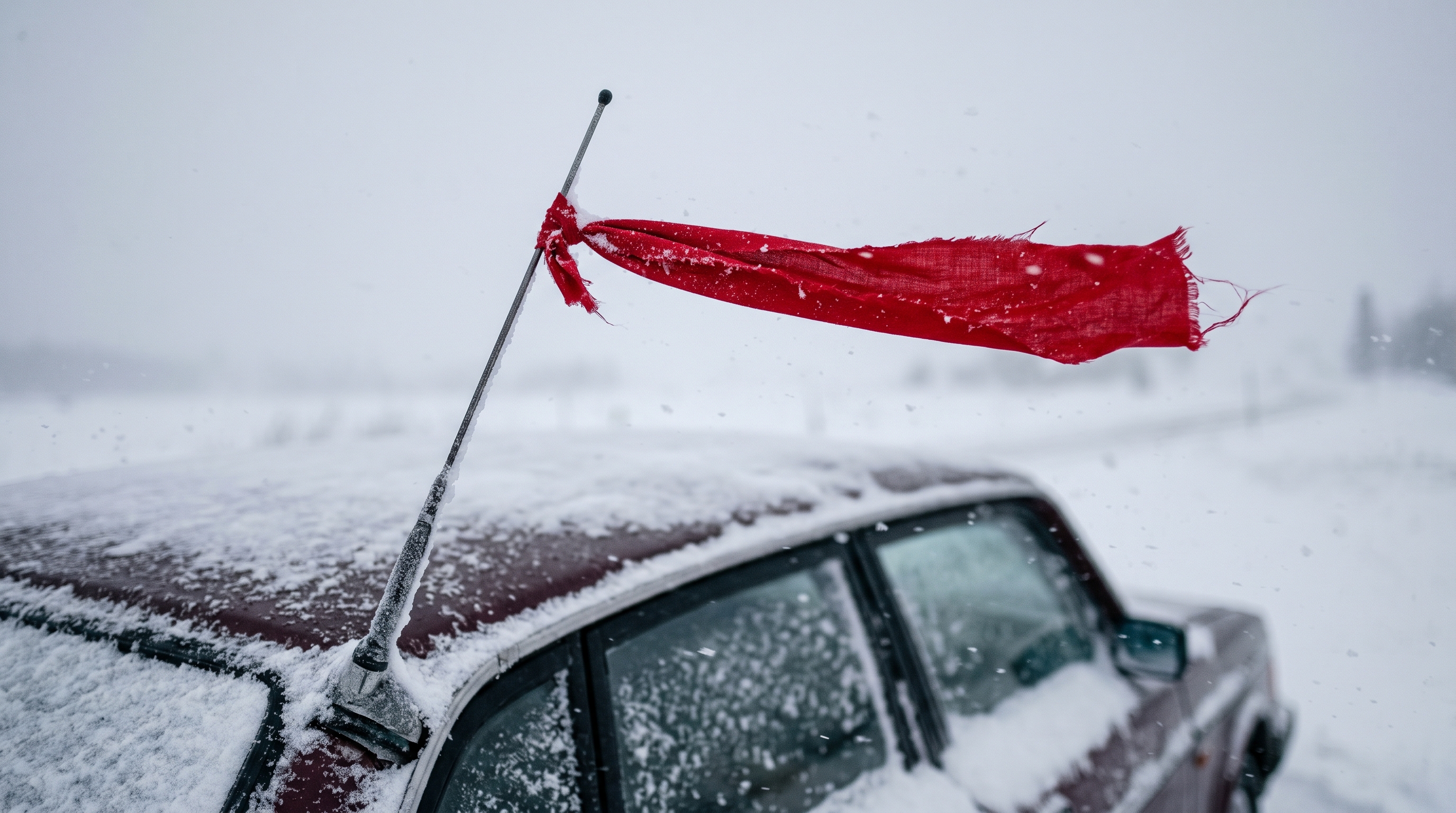
Be smart with the phone. After the 911 call, resist the urge to scroll. Text one or two people your exact location and situation, since texts get through weak signal better than calls, then keep the phone warm in an inside pocket and check it hourly. A dead battery ends your ability to update rescuers on your condition.
What to Keep in Your Car Before Winter Hits
Everything above gets easier when the car is stocked before the storm. Two habits matter most. First, keep the gas tank at least half full all winter. It prevents fuel line freeze-up and guarantees hours of heating cycles if you get stuck. Second, build a dedicated winter kit and leave it in the trunk: blankets or a sleeping bag, water, calorie-dense snacks, a flashlight with spare batteries, a small shovel, sand or cat litter for traction, a phone charger, and a first aid kit.
We put together a full checklist in our guide to car emergency kit essentials, including the 12 items that earn their place year-round. If you drive rural roads or commute through open country between November and March, that kit stops being optional.
The pattern behind all of it is the one we come back to on every topic: the first hour decides most outcomes, and the people who come through it well are the ones who set themselves up before it started.
Cold-weather emergencies rarely announce themselves, and injuries don't wait for the plows. The 1stHour Trauma Kit rides in the trunk next to the blankets and jumper cables, with 82 pieces of gear built for the moments when help is still miles out.
This content is for informational purposes only and does not constitute medical advice. In a life-threatening emergency, call 911.


