Carbon Monoxide Poisoning: The Silent Home Emergency You Can't See or Smell
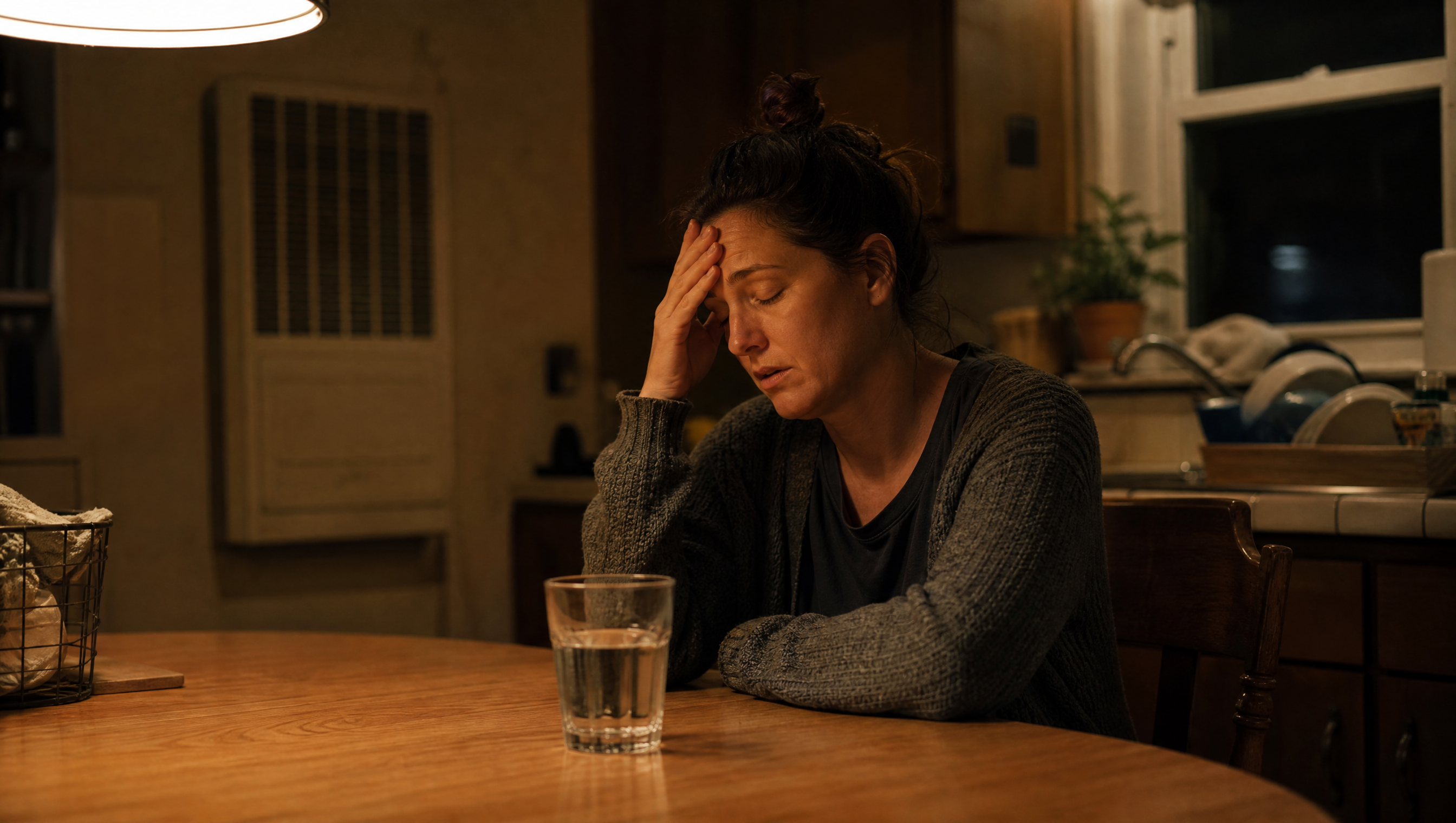
Every winter, families get sick from a gas they never saw or smelled. Carbon monoxide doesn't announce itself. No color, no odor, no warning sting in your eyes. It just quietly replaces the oxygen in your blood while you sit in your living room thinking you've caught a bug. By the time most people realize what's actually happening, they're too confused or too tired to do anything about it. This is what carbon monoxide poisoning looks like in real homes, what the early symptoms actually feel like, and what to do in the first hour, before an alarm ever goes off.
What Makes Carbon Monoxide So Dangerous
Carbon monoxide comes from burning fuel. Furnaces, water heaters, gas stoves, fireplaces, generators, cars left running in a garage, even charcoal grills. Under normal conditions, the exhaust from these goes outside and you never think about it. Problems start when something blocks that path: a cracked heat exchanger, a blocked chimney, a generator running too close to a window, a car idling in an attached garage with the door cracked open.
The gas builds up indoors with nothing to signal it's there. It has no smell and no color, which is exactly why the CDC calls it a leading cause of accidental poisoning death in the United States. More than 400 Americans die every year from unintentional, non-fire carbon monoxide poisoning, and more than 100,000 end up in an emergency room. Deaths spike hard in December, January, and February, when furnaces run nonstop and generators come out during winter storms.
Once inhaled, carbon monoxide attaches to your red blood cells far more aggressively than oxygen does, crowding oxygen out of your bloodstream. Your organs, especially your brain and heart, start running on less oxygen than they need. That's the part that makes it dangerous, and it's happening well before you'd ever guess a gas leak is the cause.
Carbon Monoxide Poisoning Symptoms People Mistake for the Flu
This is where carbon monoxide gets people. The early symptoms are a headache, dizziness, weakness, nausea, and sometimes chest pain or confusion. Read that list again. It sounds exactly like a stomach bug or a bad cold, and that's usually the first guess people make.
The tell isn't any single symptom. It's the pattern. If multiple people in the house, or a pet, start feeling the same "flu" at the same time, and it fades whenever you're outside or away from the house, that's not a virus making the rounds. Viruses don't work on a schedule tied to your address. Carbon monoxide does.
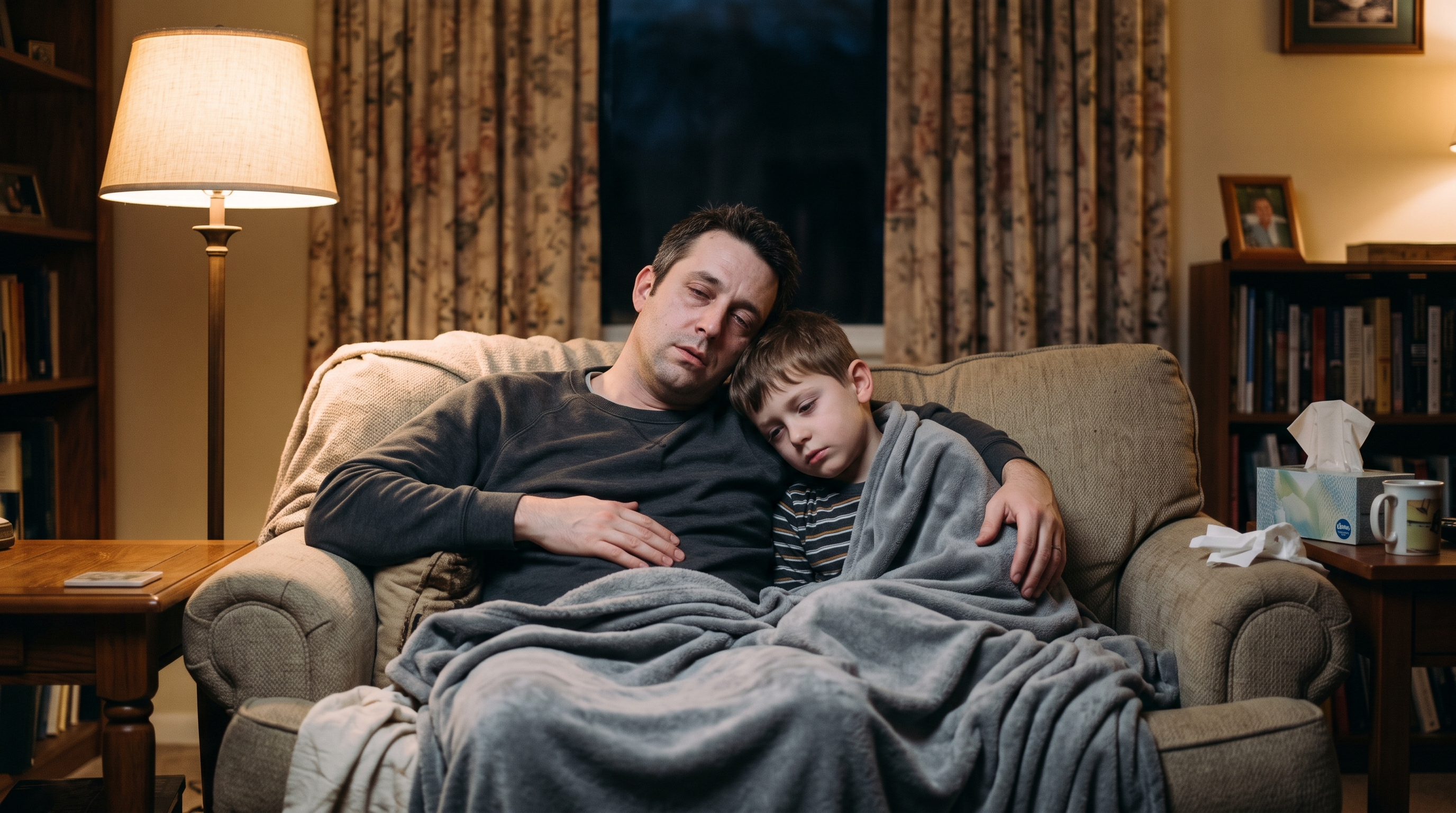
Pay attention to timing too. Symptoms that show up shortly after the furnace kicks on for the season, after running a generator, or after a long drive with a loud exhaust are worth taking seriously. People who are sleeping or who've been drinking are at the highest risk of all, since carbon monoxide can knock someone unconscious before their body ever gets the chance to complain. That's part of why so many poisonings happen overnight.
Carbon Monoxide Poisoning Symptoms: The First-Hour Actions Before a Detector Sounds
You don't need a beeping alarm to act. If you or anyone in your home has flu-like symptoms that don't add up, here's what to do, in order.
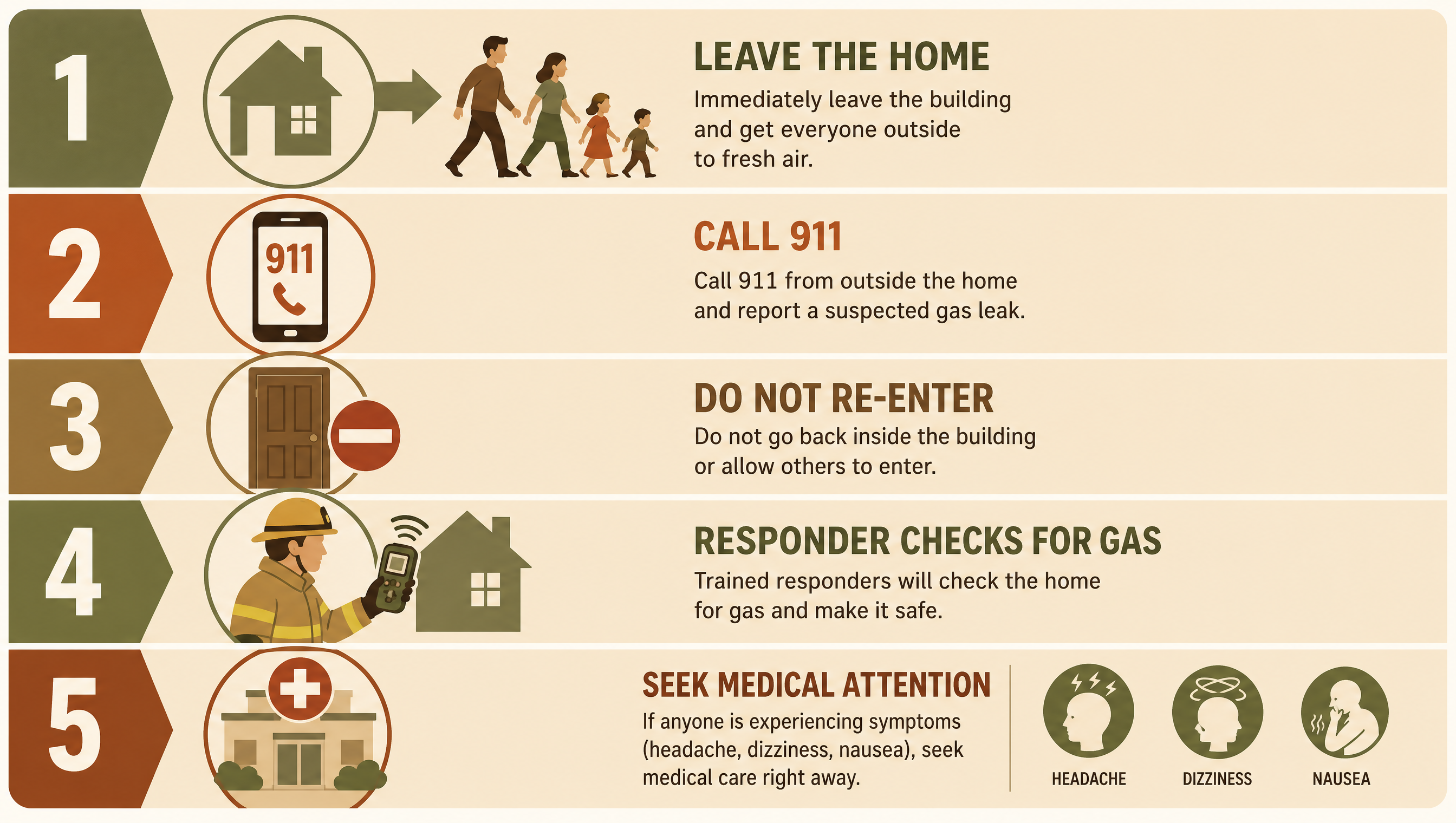
- Get outside into fresh air immediately. Not to another room. Outside. Bring everyone with you, pets included.
- Call 911 once you're out. Tell them you suspect carbon monoxide exposure so responders bring the right equipment.
- Do not go back inside to grab belongings, shut off appliances, or check on the smell. Whatever's in there can wait.
- Let responders check the air before anyone re-enters. A home can register dangerous CO levels with no visible sign at all.
- Seek medical evaluation, even if symptoms start clearing up outside. CO can cause damage that isn't obvious right away, and a blood test is the only real way to confirm exposure.
Speed matters more than certainty here. You don't need to know for sure it's carbon monoxide before you act like it is. Treating a bad guess as an emergency costs you a few minutes outside. Treating a real emergency as a bad guess can cost a life.
What to Do If Your CO Detector Goes Off
A sounding alarm changes the order slightly, but not the instinct. Get everyone, including pets, out of the house right away and to a predetermined meeting spot, the same one your family would use for a fire. Call 911 from outside. Don't crack a window and go back to bed, and don't silence the alarm and wait to see if it happens again. Detectors are calibrated to warn you before levels become an emergency, which means by the time it sounds, waiting it out is the wrong move.
Stay outside until emergency responders confirm it's safe to go back in. If the alarm keeps going off after the first responders clear the scene, that's a signal something in the home still needs a technician, not that the detector is broken.
Who's Most at Risk
Everyone can get carbon monoxide poisoning, but some people go down faster and recover slower. Infants and young children breathe faster and absorb CO more quickly relative to their size. Older adults and anyone with heart or lung conditions have less reserve to handle reduced oxygen. Pregnant women are a special concern, since carbon monoxide crosses to a fetus and can affect it even at levels the mother tolerates.
RV owners, cabin owners, and anyone who uses a generator during storms or camping trips face a version of this risk that a lot of people underestimate. Small, enclosed spaces fill with CO fast, and a generator running "just for a few minutes" near a cracked window is enough. Anyone asleep, drunk, or on medication that causes drowsiness is at the highest risk of all, because the body's early warning signs never get the chance to register.
Carbon monoxide is technically an inhaled poison, and the same general rules that apply to other accidental poisonings apply here too: get the person away from the source first, then get help, rather than trying to treat the exposure itself.
Preventing Carbon Monoxide Poisoning at Home
Prevention here is not complicated, it's just easy to put off. Install CO detectors on every level of your home and near sleeping areas, and test them twice a year, the same time you change clock batteries. Have your furnace, water heater, and chimney serviced annually by a qualified technician, since a cracked heat exchanger or blocked flue rarely announces itself before it becomes a problem.
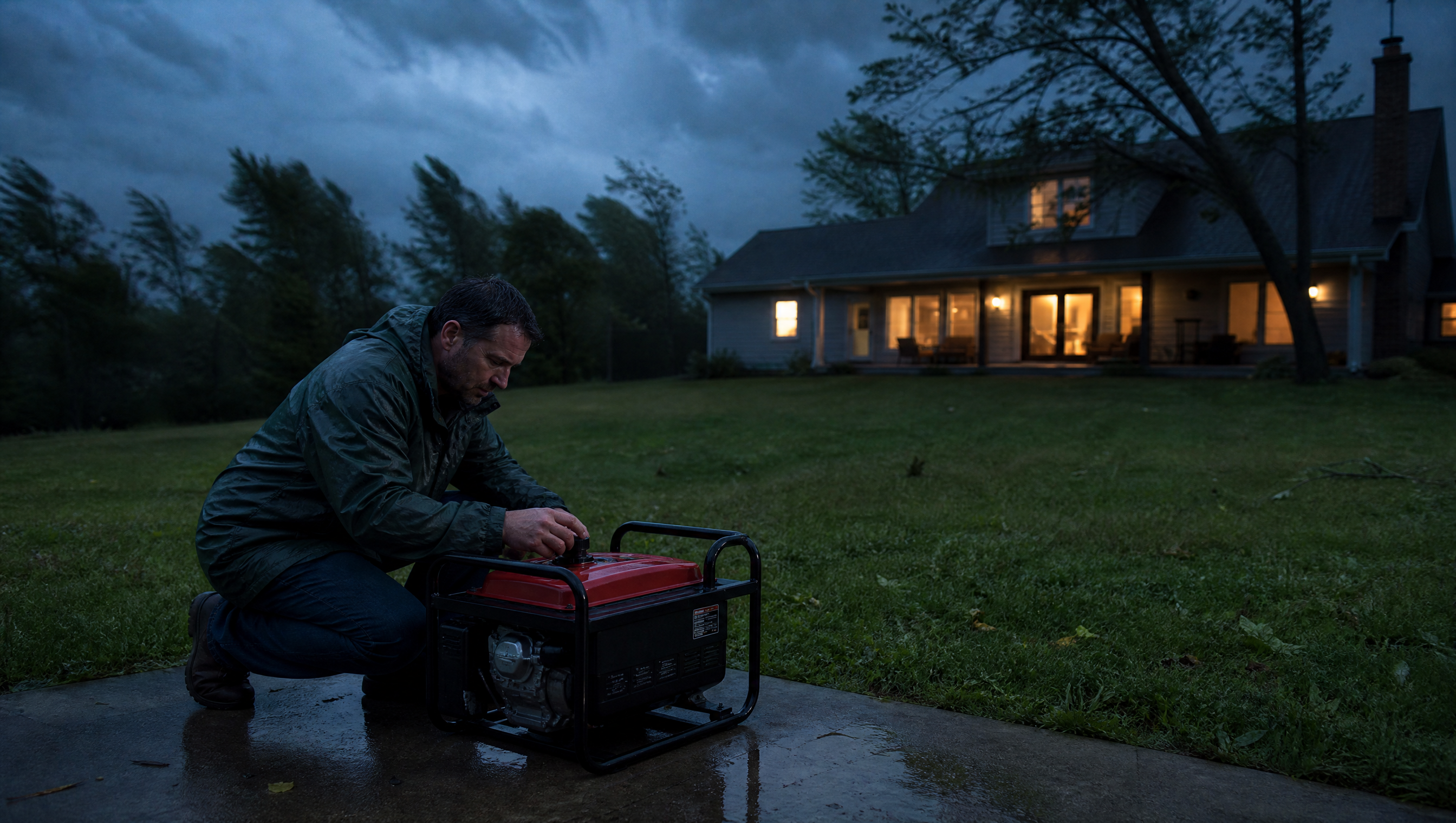
Keep generators outdoors and at least 20 feet from any window, door, or vent, per CDC guidance, even if it feels excessive during a storm. Never run a car inside an attached garage, even with the door open. Never use a charcoal grill or camp stove indoors. If you're setting up a broader household plan, detectors and generator rules are worth building into your family's emergency plan alongside the rest of your severe-weather prep, especially since generator use and winter power outages tend to happen together.
The American Red Cross recommends treating any CO alarm as real until proven otherwise, and that mindset is the whole point. This isn't a gas you can smell your way around. The detector and your own body's signals are the only warnings you get.
Carbon monoxide is one of the reasons a stocked kit and a clear plan matter as much indoors as they do on a trail. Knowing the first-hour steps is what turns a scary middle-of-the-night moment into something your family handles calmly instead of guessing through. Pair that knowledge with the basics on hand. Check what belongs in a proper home first aid kit, and if winter storms and generator use are part of your routine, our guide on field treatment for hypothermia covers the other side of that same cold-weather risk. For everything else that first hour might demand, see what's packed into The 1stHour Trauma Kit. Be ready before you need it.
This content is for informational purposes only and does not constitute medical advice. Carbon monoxide poisoning is a life-threatening emergency. If you suspect exposure, get to fresh air and call 911. This is not a substitute for professional medical evaluation or hands-on emergency training.


