Accidental Poisoning: First Response Steps Before Poison Control Picks Up
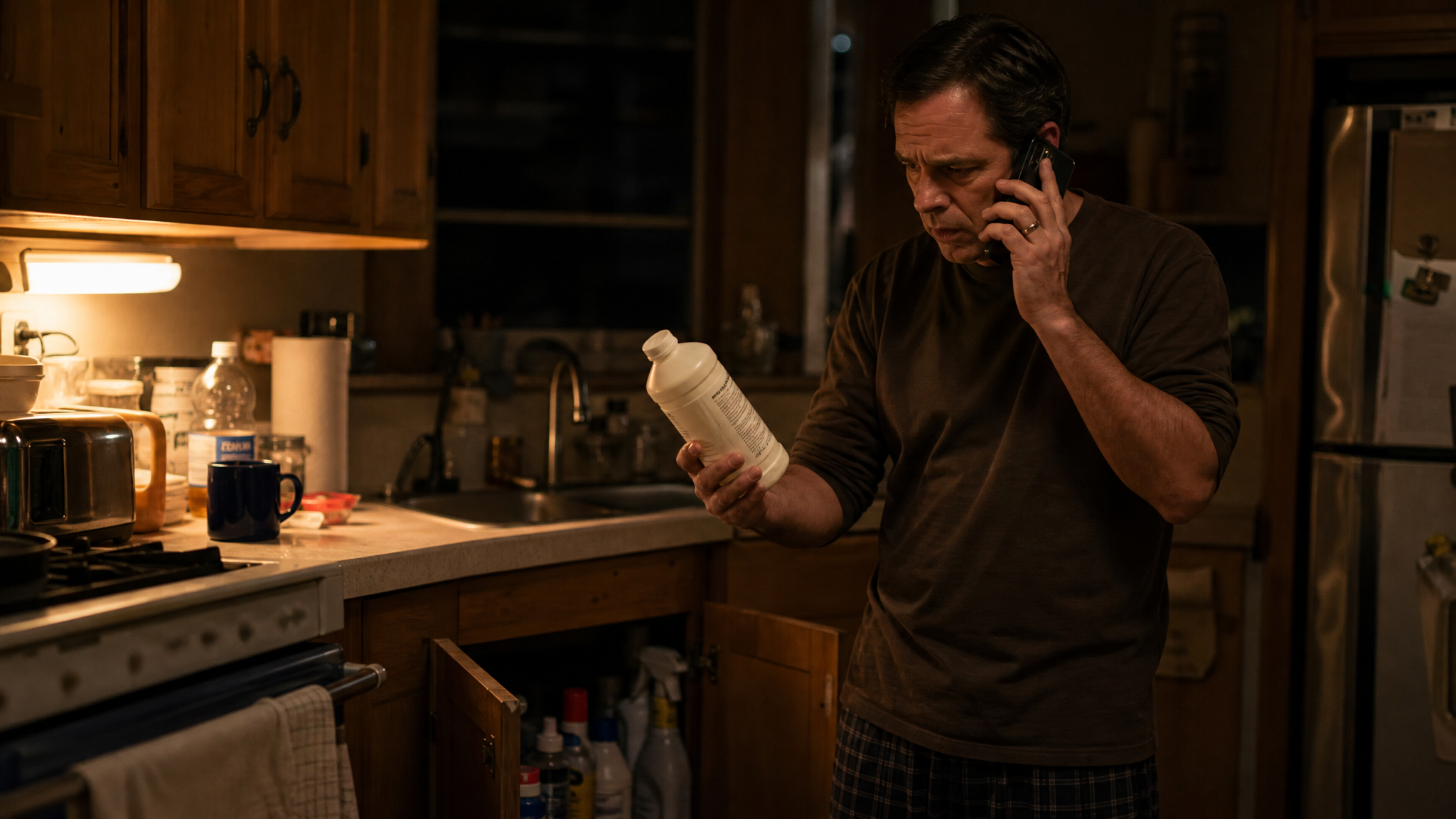
Poisonings rarely look like an emergency at first. A kid gets quiet in the next room. An older parent takes a double dose by mistake. Someone mixes two cleaning products in a closed bathroom and starts coughing. Poison centers in this country field close to three million exposure calls a year, and most of them are accidents that happen in ordinary homes. The good news is that the first few minutes are almost always in your hands, and knowing what to do (and what to skip) makes a real difference. Here's how to respond before help is on the line.
Call First, Then Act: The First Minute
The very first thing to sort out is which number to call. It comes down to how the person is doing.
If they are awake, breathing, and able to talk, call Poison Control at 1-800-222-1222. That number reaches a poison expert anywhere in the United States, it's free, and it's staffed around the clock. These are the people who will tell you exactly what that specific substance does and whether you need the ER at all. A lot of the time, they'll walk you through handling it at home.
If the person is unconscious, not breathing normally, having a seizure, or you can't wake them, call 911 first. Those are signs the situation has already turned critical, and you want an ambulance rolling while you do anything else. If they've stopped breathing and you know CPR, start it. Our guide to hands-only CPR covers the rhythm if you need a refresher.
Save 1-800-222-1222 in your phone right now, before you ever need it. Put it in everyone's phone in the house. When your hands are shaking is the wrong time to be searching for it.
If Someone Swallowed Poison
Swallowing is the most common way people get poisoned, and it's where the old TV advice does the most harm.
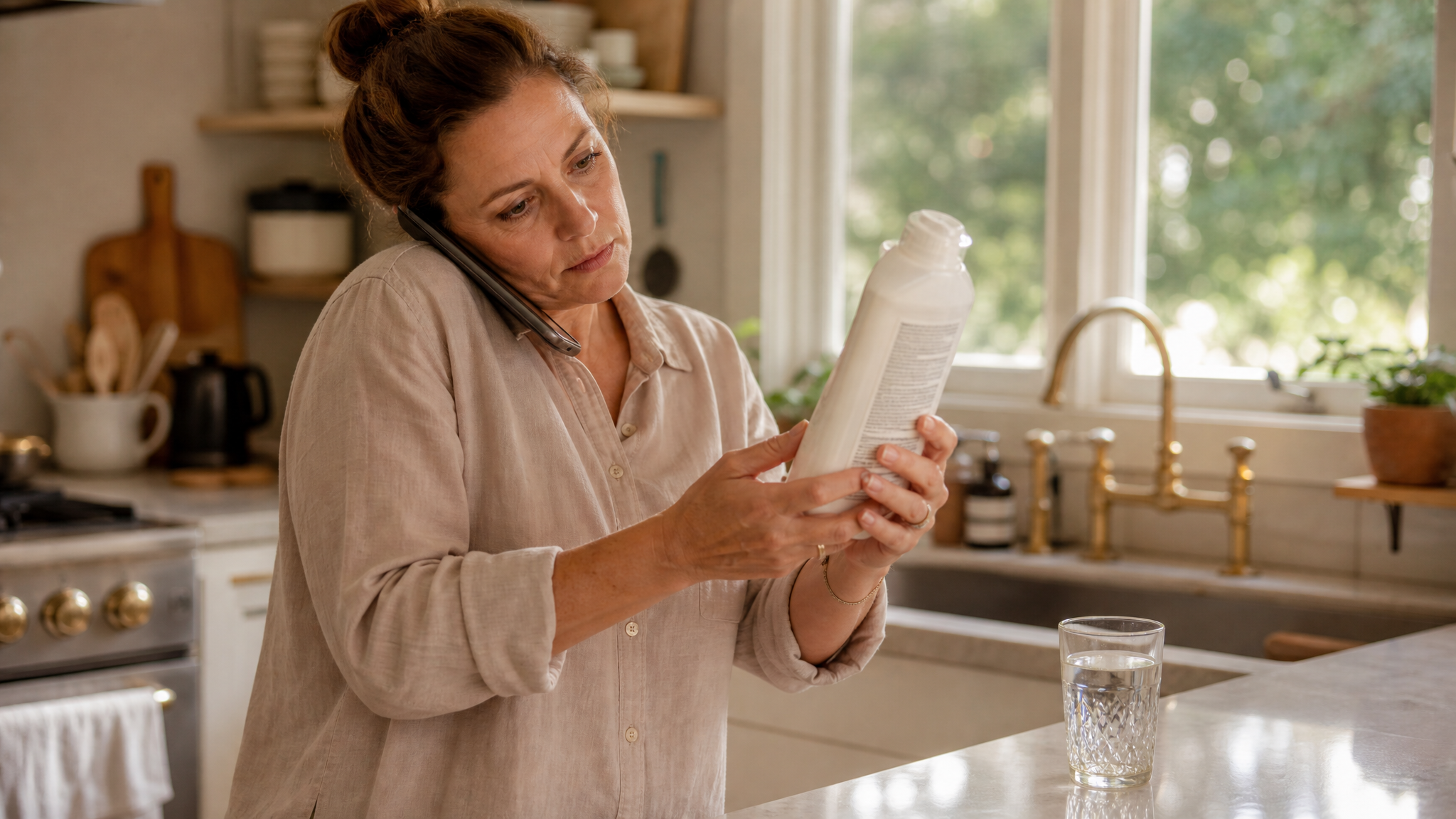
Start by getting anything left out of their mouth. If there are pills or plant pieces or a mouthful of liquid still in there, have them spit it out, or sweep it out with your finger if they can't. Wipe out the mouth. If the substance was something burning or caustic, like a drain cleaner or bleach, and the person is fully awake and able to swallow, a small sip of water or milk can help. That's it. Don't force fluids into someone who's groggy or struggling.
Then call Poison Control before you do anything else. Do not make the person vomit. Not with your finger, not with salt water, not with anything from the medicine cabinet. Forcing a poison back up can burn the throat a second time on the way out, or send it into the lungs. The experts on the line will tell you if bringing anything up is warranted, and these days it almost never is.
Poison on the Skin or in the Eyes
Chemicals that land on skin or splash into eyes need water, and a lot more of it than people expect.
For skin exposure, take off any clothing or jewelry the poison touched, since it can keep soaking through fabric onto the body. Then rinse the area with running water for a full 15 to 20 minutes. Set a timer, because that stretch feels much longer than it sounds and most people quit far too early. Use lukewarm water if you can, and keep it gentle.
For a splash in the eye, rinse right away with running water for 15 to 20 minutes as well. Hold the eyelid open and let the water flow across the eye from the inside corner outward. Don't let them rub it, and don't hunt around for eyewash or drops first. Plain tap water, started fast, beats a perfect solution that arrives ten minutes late. Once it's flushing, call 1-800-222-1222 for what comes next.
Inhaled Poison and Carbon Monoxide
When someone breathes in something toxic, fumes from mixed cleaners, smoke, or carbon monoxide from a running engine or a faulty furnace, the first move is air.
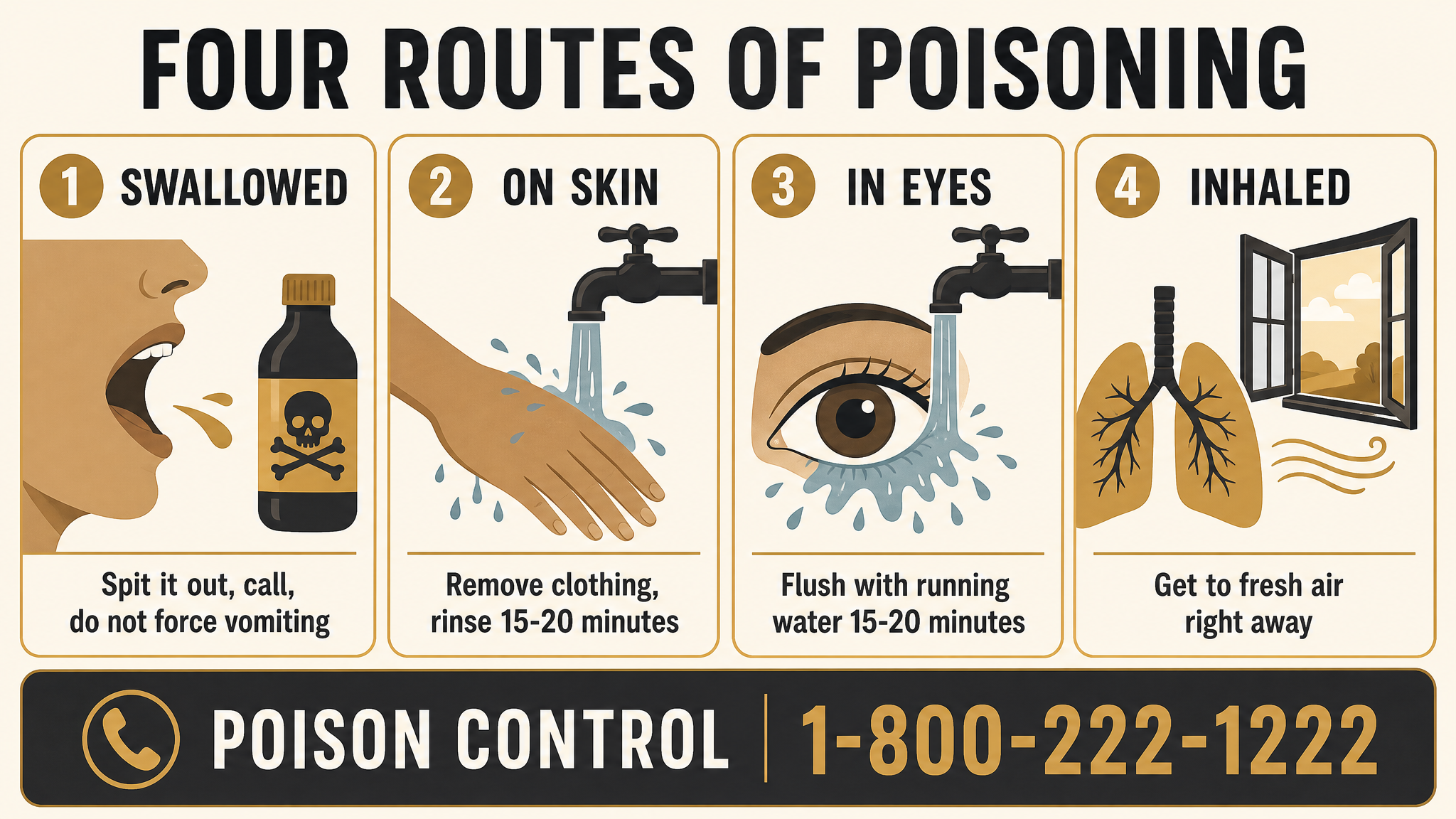
Get them outside or to an open window with fresh, moving air as fast as you safely can. Here's the part people forget: protect yourself before you go in after anyone. If the air knocked one person down, it can knock you down too, and then there are two victims and no rescuer. Open doors and windows on your way in if you can, hold your breath, and don't linger. If the space feels thick or you get dizzy, back out.
Carbon monoxide deserves its own warning because you can't see or smell it. Headaches, dizziness, nausea, and confusion that clear up when people leave the house and come back when they return are a classic sign. If you suspect it, get everyone out, including pets, and call 911 from outside. A working CO alarm on every level of the home is cheap insurance against a gas that gives almost no warning.
The Old Advice That Now Does Harm
Some poisoning "remedies" have hung around for decades, and a few of them are actively dangerous. Clearing these out is half the battle.
Syrup of ipecac is the big one. For years it sat in the family medicine cabinet as the thing you gave to make a child throw up. The American Academy of Pediatrics dropped that recommendation back in 2003, and the last US manufacturers stopped making it in 2010. Studies showed it didn't remove enough poison to help and often made things worse. If you still have a bottle, throw it out.
Salt water to induce vomiting is another one to bury. It doesn't reliably work, and too much salt can cause its own dangerous problem. The same goes for the idea that milk is a universal antidote. Milk is fine as the small sip mentioned earlier for certain caustic swallows, but it doesn't neutralize poison, and reaching for it can waste time you should spend calling for real guidance. Activated charcoal has a real medical use, but it's given by professionals in specific situations, not something to dose at home off a guess.
The theme here is simple. Your job in the first minutes is not to treat the poison. It's to stop more exposure, keep the person stable, and get an expert on the phone who can tell you what that exact substance actually needs.
What Poison Control Needs From You
The call goes faster and better when you have a few things ready before you dial.
Grab the container, bottle, or package if you safely can, and keep it in your hand. The name, the active ingredients, and the concentration on the label tell the expert almost everything. Have a rough idea of how much was involved and when it happened, even if it's a guess. Know the person's age and weight and whether they have any medical conditions. And be ready to describe how they're acting right now, alert or drowsy, calm or sick.
If the person is stable, don't drive to the ER on a hunch before you call. Poison Control can often save you a frightening, expensive trip, and if you do need the hospital, they'll tell you and can call ahead. This is the same principle behind a good family emergency plan: decide who does what and where the information lives before the pressure is on.
Prevention: Making Poisoning Less Likely at Home
The emergency you handle best is the one that never starts. A little setup goes a long way.
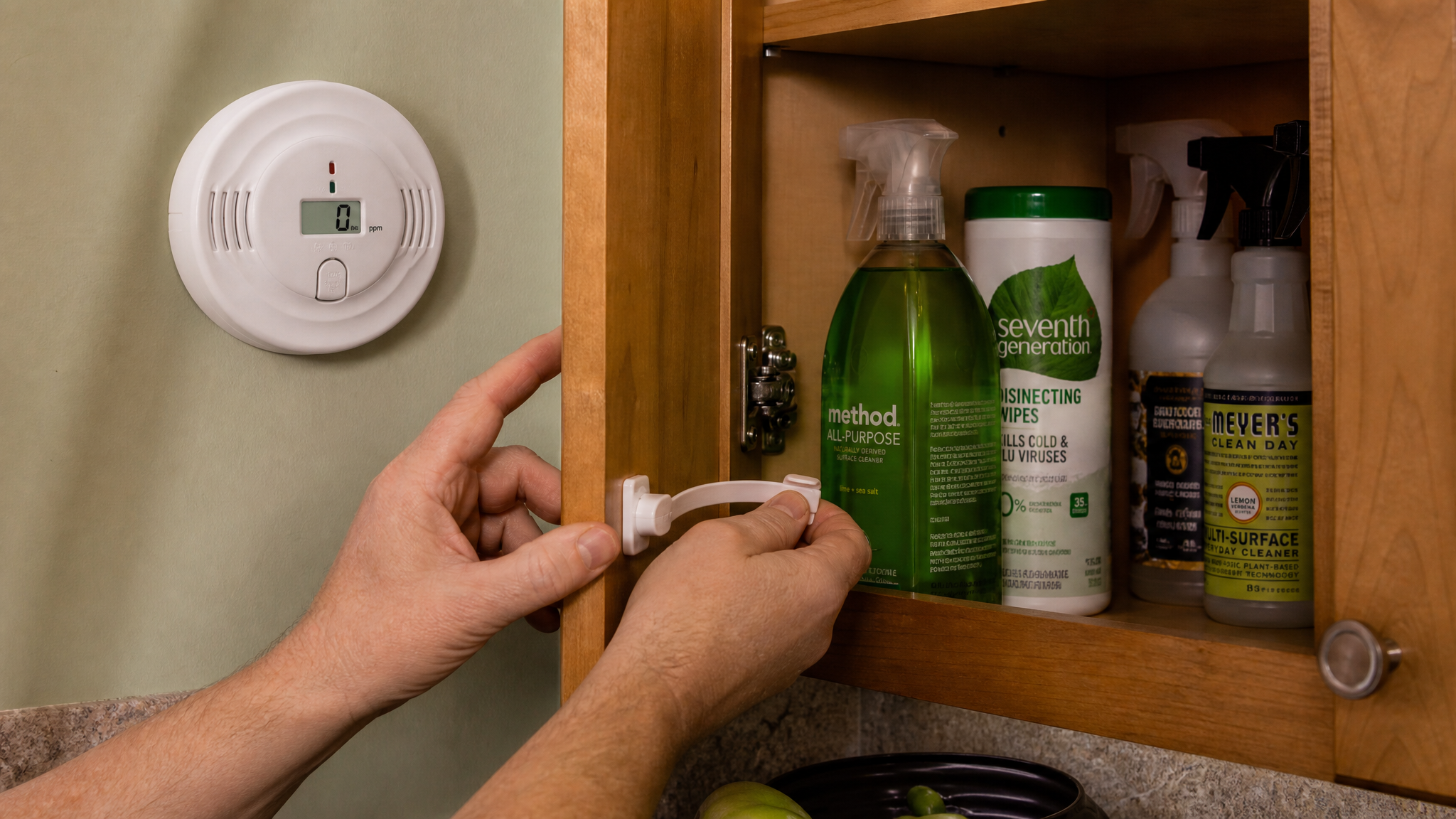
Keep medications and cleaners in their original, labeled containers, up high or locked away, and never in a cup or water bottle that someone could mistake for a drink. Store chemicals away from food. Never mix cleaning products, especially bleach and ammonia, which make a toxic gas together. Put a carbon monoxide alarm on every level of your home and test it twice a year. And take five minutes to program 1-800-222-1222 into every phone in the house.
It also helps to keep the tools for the aftermath in one place. A stocked home first aid kit covers the cuts, burns, and monitoring that can follow an exposure, and some poisonings can trigger seizures, so it's worth knowing the basics of what to do if someone has a seizure too.
Poisonings move fast and quiet, and the person who handles one well is almost always the one who knew the plan before it happened. Save the poison control number, keep chemicals locked and labeled, and have your first-aid supplies in one grab-and-go place. The 1stHour Trauma Kit packs 82 pieces of serious first-aid gear into a single case, so when a bad minute turns into a bad hour, the tools are already ready. See what's inside the kit.
This content is for informational purposes only and does not constitute medical advice. Poisoning can be life-threatening. Call Poison Control at 1-800-222-1222 or 911, and always follow the guidance of trained professionals.


