Hypothermia First Aid: Field Treatment Before Help Arrives
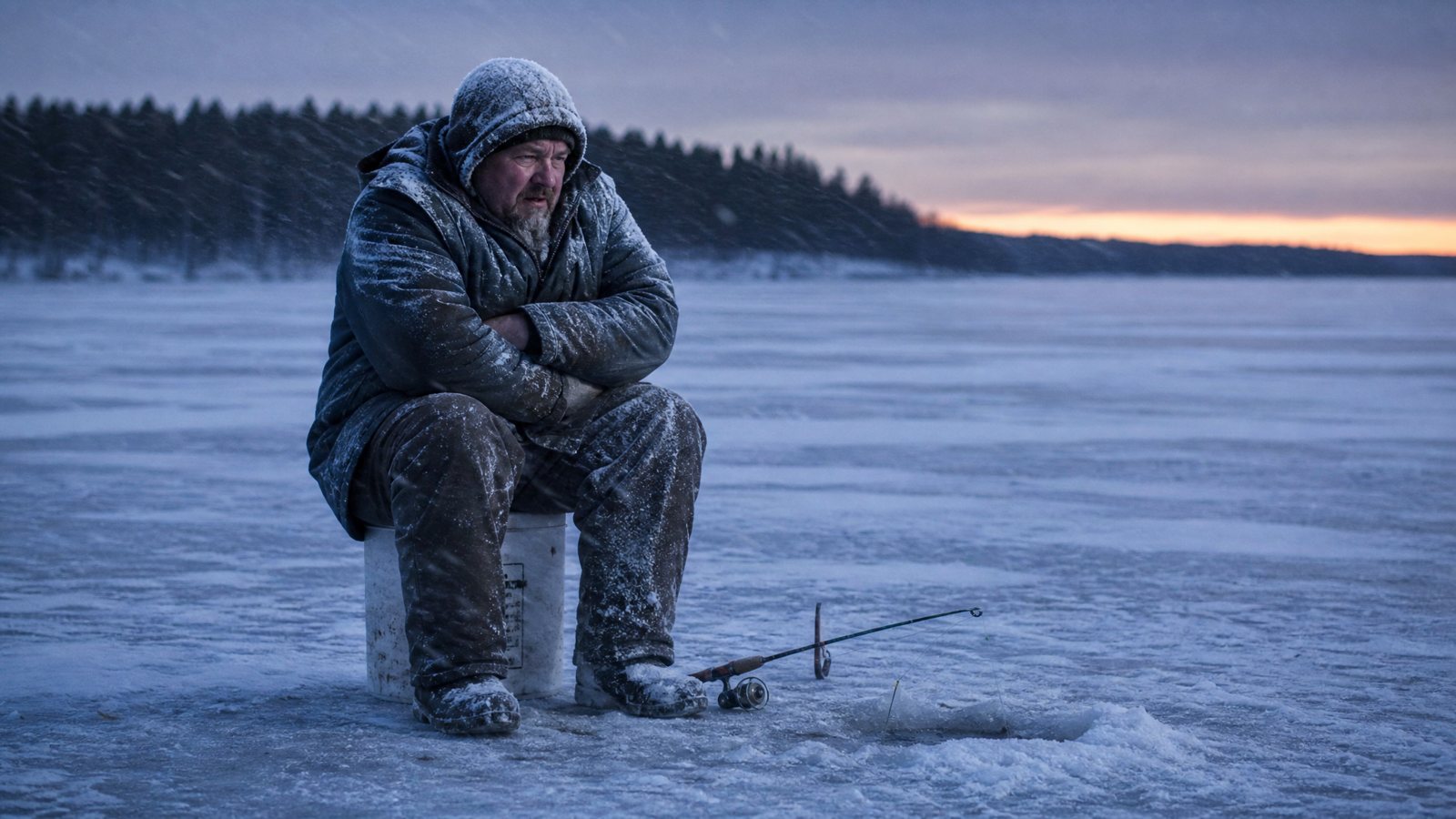
Cold does its worst work quietly. A hunter sits still in a tree stand as the temperature drops. An ice fisherman gets a boot full of water and figures he'll tough it out. A hiker gets caught out past dark in a wind that wasn't in the forecast. None of them feel like they're in danger until they already are, because hypothermia dulls the very judgment you'd need to save yourself. This is a rundown of what the cold is actually doing, how to read the warning signs before they turn serious, and the field treatment that keeps a cold person alive until real help shows up.
What Hypothermia Actually Does to the Body
Your body runs hot on purpose. Every process inside you is tuned to work at right around 98.6 degrees, and it fights hard to hold that line. Hypothermia is what happens when you lose heat faster than you can make it, and your core temperature starts to slide below 95 degrees.
The problem is that a cold body isn't just an uncomfortable body. It's a body that stops working right. As the core cools, blood pulls away from the skin and limbs to protect the heart and brain. Muscles stiffen. Thinking slows. Below about 95 degrees, the brain starts making bad calls, which is why people with hypothermia so often wander off, stop asking for help, or do something that makes no sense at all.
Wet and wind speed all of this up. Water pulls heat out of you roughly 25 times faster than air, so soaked clothing is not a minor problem, it's the emergency. That's why a 45-degree rainy day catches more people than a dry night at 10 below. Nobody dresses for 45 and rain the way they dress for a blizzard.
The Warning Signs and Stages of Hypothermia
Old-timers who spend real time outdoors have a simple way to catch this early: watch for the umbles. Stumbles, mumbles, fumbles, and grumbles. When someone starts tripping over their own feet, slurring words, dropping their gear, and turning irritable, the cold is already in their head. Those four are your earliest, most reliable alarm.
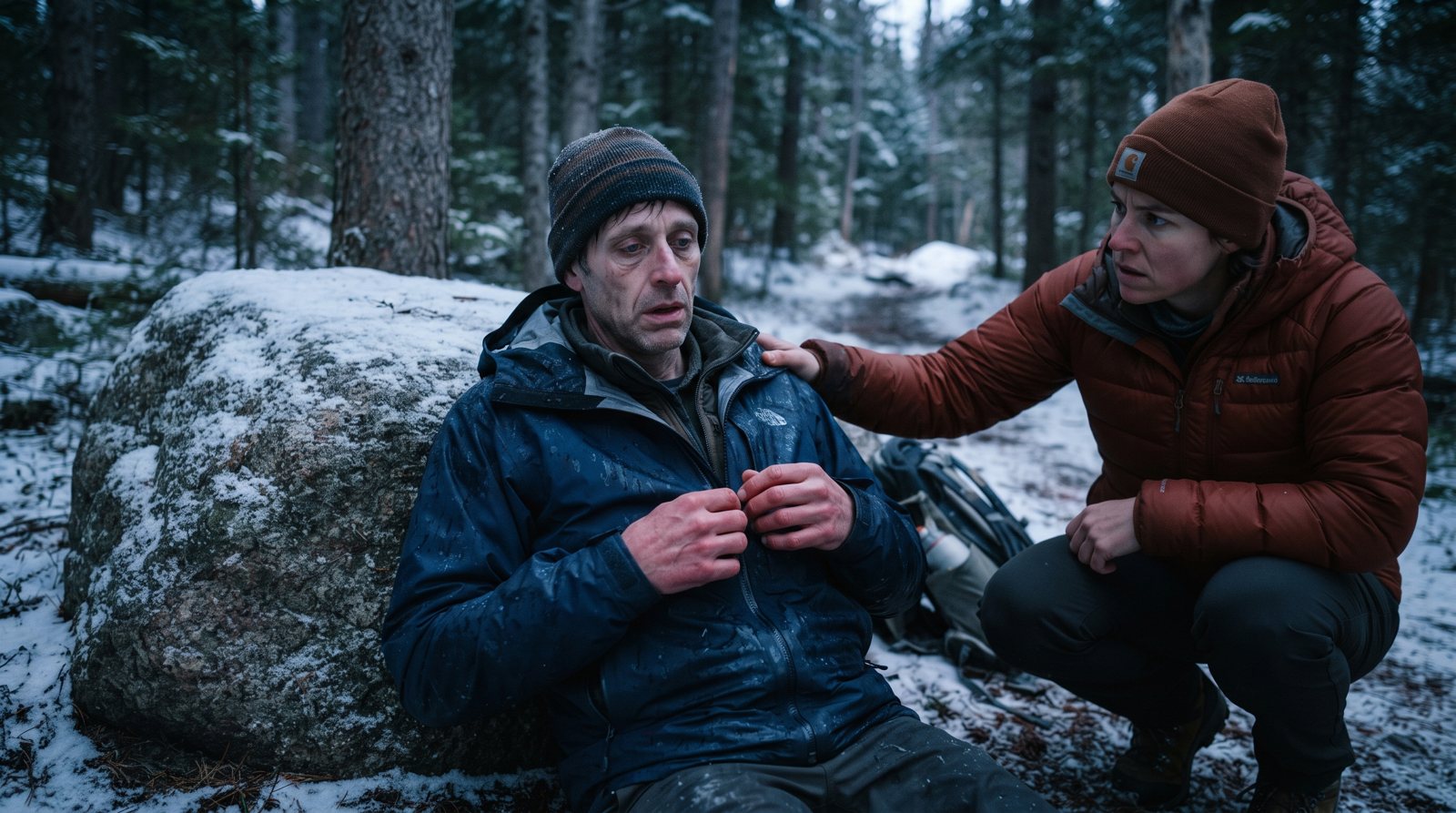
Hypothermia tends to move through stages, and knowing them tells you how much time you have.
Mild hypothermia looks like hard shivering, cold and pale skin, clumsy hands, slurred or mumbled speech, and a person who's a little foggy but still awake and talking. This is the stage where you can still turn things around fast.
Moderate hypothermia is where it gets dangerous, and it fools people. The shivering slows down or stops entirely. That feels like improvement, but it's the opposite: the body has run low on the fuel it needs to shiver. The person gets confused, sleepy, slow, and may start peeling off clothes because their cold-scrambled brain misreads the situation.
Severe hypothermia is a medical crisis. The person is unresponsive or barely responsive, muscles gone rigid, breathing shallow and slow, pulse faint and hard to find. They may look dead when they are not. This person needs a hospital, and how you handle them in the meantime matters enormously.
Hypothermia First Aid: What to Do Step by Step
Once you spot it, the treatment is the same idea at every stage: stop the heat loss first, then add heat slowly. Here is the order that works in the field.
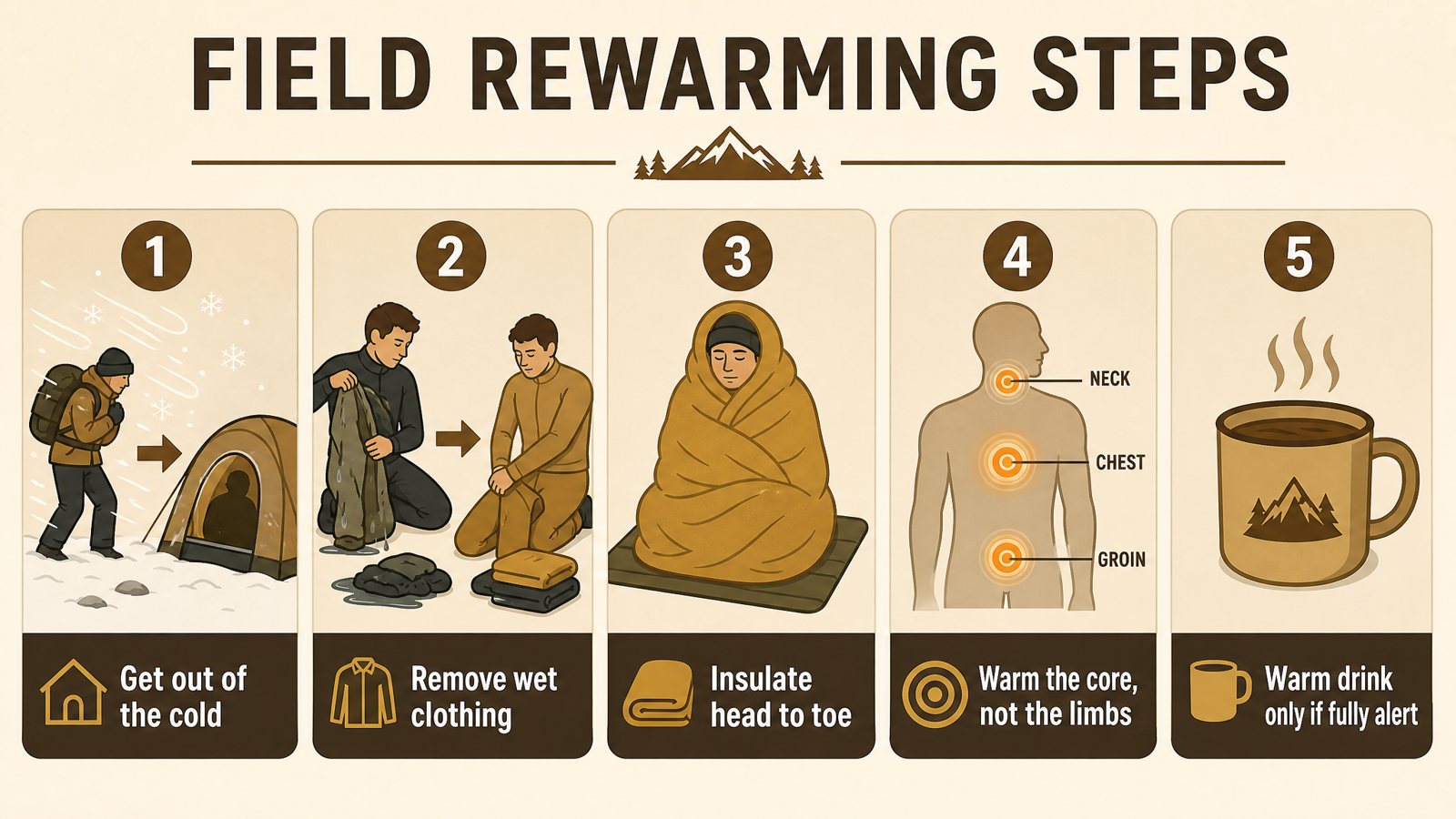
1. Get them out of the cold. Move the person into a tent, a vehicle, a building, anywhere out of the wind and off the frozen ground. If you can't move them, build a barrier from the wind and get something insulating underneath them, because the ground steals heat fast.
2. Get the wet off. Cut or peel away every soaked layer. Wet clothing against skin will undo everything else you do. Replace it with dry layers or tuck them straight into a sleeping bag or blankets.
3. Insulate the whole person. Wrap them head to toe, and don't forget a layer underneath and something over the head and neck. Trap the heat they still have before you try to add more.
4. Add heat to the core, not the limbs. Put warm, dry compresses, a hot water bottle or chemical heat pack wrapped in a towel so it doesn't burn, against the chest, the neck, and the groin. These are where big blood vessels run close to the surface. Warming the core is the whole game. Warming cold arms and legs is not just useless here, it's dangerous, and the next section explains why.
5. Warm drinks only if they're fully alert. If the person is awake, clear-headed, and can swallow safely, a warm sweet non-alcoholic drink helps. If they're confused or drowsy, skip it. Nothing goes in the mouth of someone who can't reliably swallow.
Getting a cold person warm again often means getting them out of exposure first. If you're caught without shelter, our guide on how to build an emergency shelter in the wild covers fast ways to block wind and ground loss with almost no gear.
The Afterdrop Mistake That Kills Rescued People
Here's the part almost nobody knows, and it's the reason this article exists. People survive the cold and then die during the rescue, because of something called afterdrop.
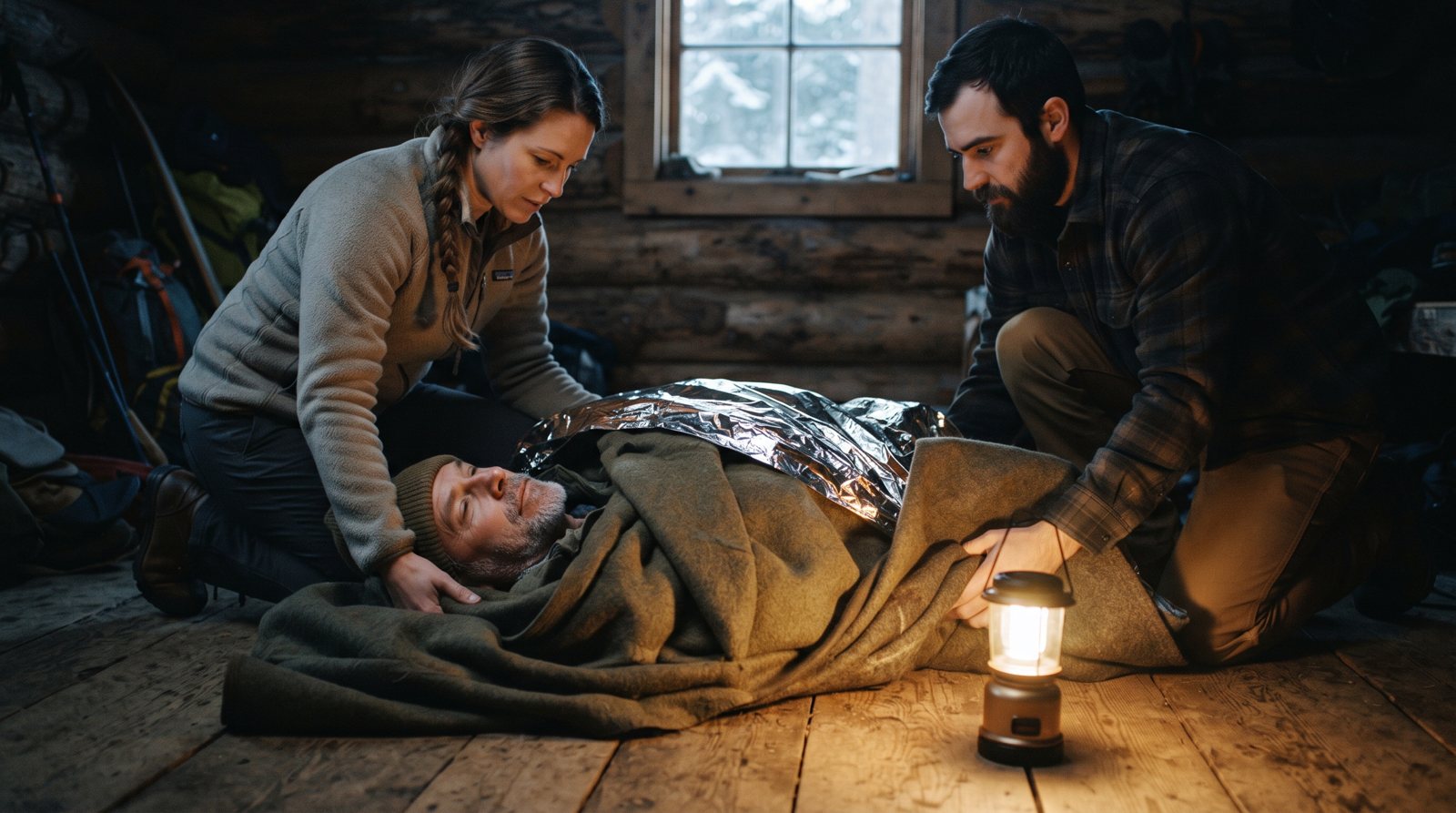
When a person is moderately or severely hypothermic, their cold blood is pooled out in the arms and legs. If you rub those limbs, let the person stand up and walk, or drop them into a hot bath, you send a slug of that cold, acidic blood rushing back to a heart that's already struggling. The core temperature actually drops further, and the shock can throw the heart into a fatal rhythm. The Wilderness Medical Society guidelines are clear on this: keep a moderately or severely hypothermic person horizontal and still, and handle them gently.
So for anyone past the mild stage: no walking them to the truck if you can carry them, no vigorous rubbing, no jumping jacks to warm up, no hot shower. Gentle, flat, and slow. It feels too cautious. It isn't.
What NOT to Do (Alcohol, Rubbing, Hot Baths)
A few well-meaning instincts make hypothermia worse, and they show up again and again.
Don't give alcohol. The nip of whiskey is the oldest cold-weather myth there is. Alcohol opens up the blood vessels in your skin, which feels warm for a minute and dumps your core heat straight into the air. It also clouds judgment that's already slipping.
Don't rub or massage the arms and legs. It feels like you're helping the circulation. You're driving the afterdrop we just covered.
Don't use a hot bath or hot shower for anyone beyond mild hypothermia. Same reason, plus a confused person can slip and drown.
Don't assume a person who stopped shivering is getting better. That's the sign they're getting worse, and it means you move faster, not slower.
When It's a 911 Emergency and How to Handle a Cold, Pulseless Person
Call 911 for any hypothermia that's more than mild, meaning any confusion, drowsiness, slurred speech that's getting worse, or a person who has stopped shivering while still cold. In the backcountry, where you're the only help for a while, treat aggressively while someone works on getting a rescue moving. If you're the one who ends up stranded, our plan for what to do when you're lost in the wilderness walks through the first-hour priorities.
If a severely hypothermic person appears lifeless, check for breathing and a pulse for a full 60 seconds before you decide, because both can be so faint and slow they're easy to miss. If there's any sign of life, do not start compressions, just keep insulating and get them to help. If there is truly no breathing and no pulse, start CPR and keep going. Cold protects the brain, which is why the rule for hypothermia is that no one is dead until they're warm and dead. People have been brought back after long down times in the cold. If you're rusty on the technique, our walkthrough on hands-only CPR covers the basics. Keep it up until trained help takes over.
Cold emergencies almost never happen where the gear is. They happen in a stand, on the ice, on a trail, in a stalled truck on a back road in January. Having warm packs, dry insulation, and dressings already staged where you spend cold time is the difference between treating the problem and watching it get worse. See what's packed into The 1stHour Trauma Kit and keep one in the truck through the winter. If your cold-weather driving worries you, our car emergency kit essentials list covers what else belongs back there.
This content is for informational purposes only and does not constitute medical advice. Hypothermia beyond the mild stage is a medical emergency, call 911. This is not a substitute for professional evaluation or hands-on first-aid training.


