Frostbite First Aid: How to Tell Frostnip from Frostbite and What to Do Next
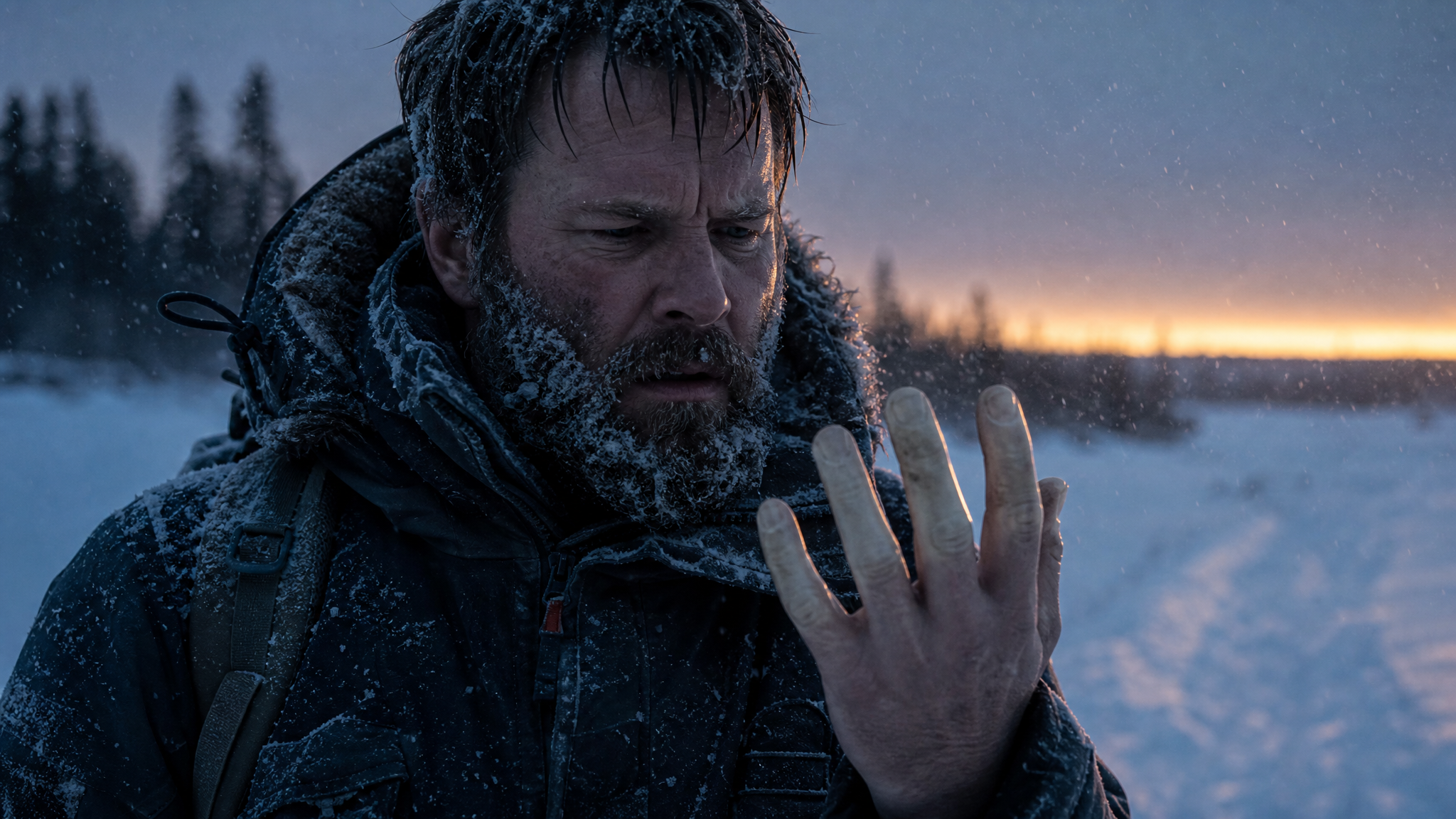
Most people who need frostbite first aid don't realize it's happening until it's already happened. Your fingers go from cold to aching to numb, and numb feels like relief, so you keep going. That's the trap. The pain is the warning. Once it's gone, the damage is already underway.
We built 1stHour around the idea that the first sixty minutes after something goes wrong decide how it ends. Frostbite first aid is a slower emergency than a lot of the ones we cover, but the same rule holds. What you do in that first hour, get warm, rewarm correctly, stop making it worse, has a real effect on whether you walk away with sore fingers or a hospital visit.
Frostnip vs. Frostbite: Where the Line Is
Frostnip is the mild version. Skin gets cold, red or pale, and it stings or tingles. It's uncomfortable, but nothing has frozen yet, and it goes away fully once you warm up. Most people have had frostnip on their ears or fingertips during a cold walk and never thought twice about it.
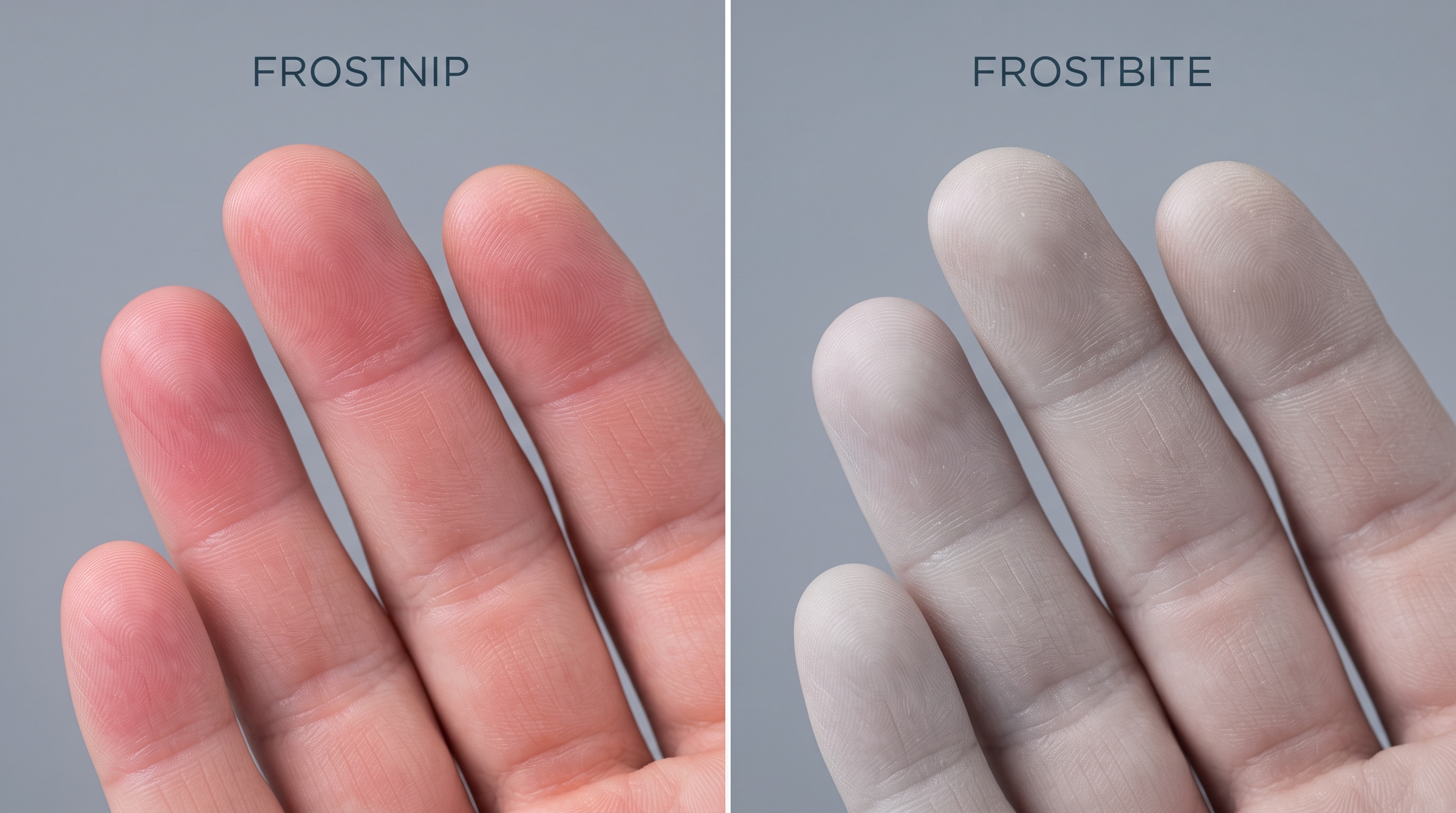
Frostbite is different. It means ice crystals have formed in the skin and the tissue underneath it. That's not a figure of speech, it's literally what's happening at a cellular level, and it's why frostbitten skin looks and feels the way it does: hard, waxy, sometimes almost wooden to the touch.
The practical difference is what happens after you warm up. Frostnip resolves completely with no lasting mark. Frostbite doesn't bounce back that fast, and depending on how deep it goes, it might not bounce back at all without treatment. Fingers, toes, ears, cheeks, and the tip of the nose are the usual targets because they're small, exposed, and far from your body's warm core.
The Warning Signs You Shouldn't Wait On
Cold skin that hurts is your body doing its job. Pay attention when the pain fades and one of these shows up instead:
- Skin that looks pale, gray-yellow, or white and stays that color once you're indoors
- A hard or waxy feel to the skin, like touching frozen wax instead of flesh
- Numbness that doesn't ease up after a few minutes of warmth
- Clumsiness in the fingers or toes that feels like more than "cold hands"
- Blisters, clear or blood-filled, that show up hours after the exposure
That last one matters because it often shows up after you think the danger has passed. Someone comes in from the cold, warms up, feels fine, and then blisters appear that evening. That's still frostbite. The timing of the symptoms doesn't change what happened to the tissue.
What to Do in the First Hour
The first move is the simplest and the one people skip because they're focused on getting somewhere warm and forget the middle step. Get out of the cold completely, not just out of the wind. Shelter, a car, a building, anywhere the temperature is actually above freezing.
Once you're there, get out of anything wet. Wet gloves, wet socks, a wet coat sleeve, all of it holds cold against the skin far more effectively than dry fabric ever would. Swap in dry layers if you have them.
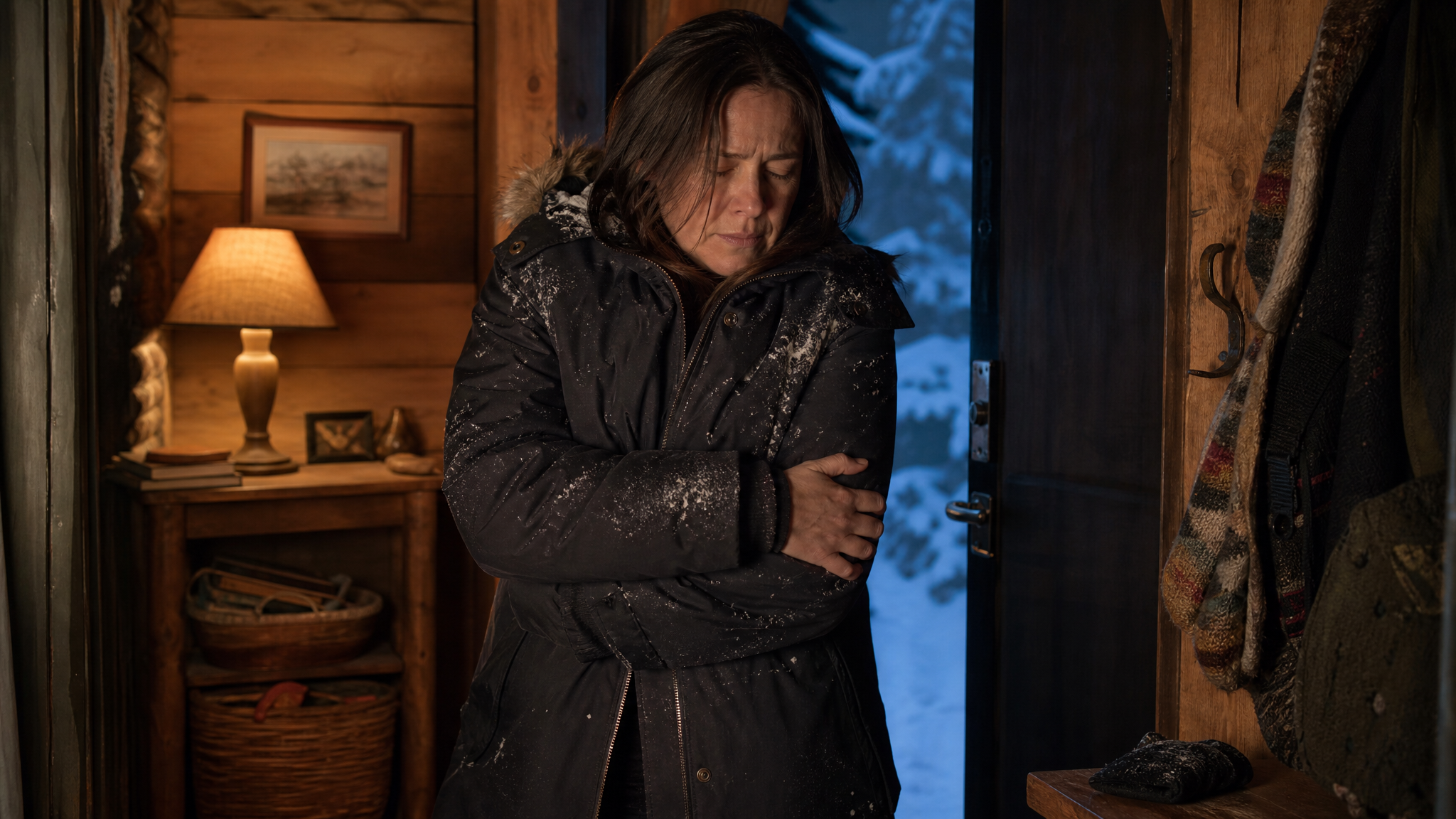
Don't rub or massage the affected area, even though it feels like the instinct that should help. Ice crystals in frozen tissue can tear cell walls when you rub or flex the skin, and that turns a recoverable injury into permanent damage. Handle frostbitten hands and feet gently, almost like you're carrying something fragile, because right now you are.
If your hands are the ones affected and you're still outside, tuck them into your armpits. Body heat there is close, constant, and doesn't require anything you'd need to carry. For a nose, cheeks, or ears, cup them with dry, gloved hands instead of bare skin, which is often just as cold.
The Right Way to Rewarm
This is the step most people get wrong, usually by rushing it. Frostbite needs a slow, even rewarm, not a fast blast of heat.
Once you're somewhere warm and staying there, soak the affected area in warm water, not hot, for about 30 minutes. The target temperature is somewhere in the range of 98 to 105 degrees Fahrenheit, close to a comfortable bath. If you don't have a thermometer, test it against your inner wrist first. It should feel warm, not something you'd flinch away from.
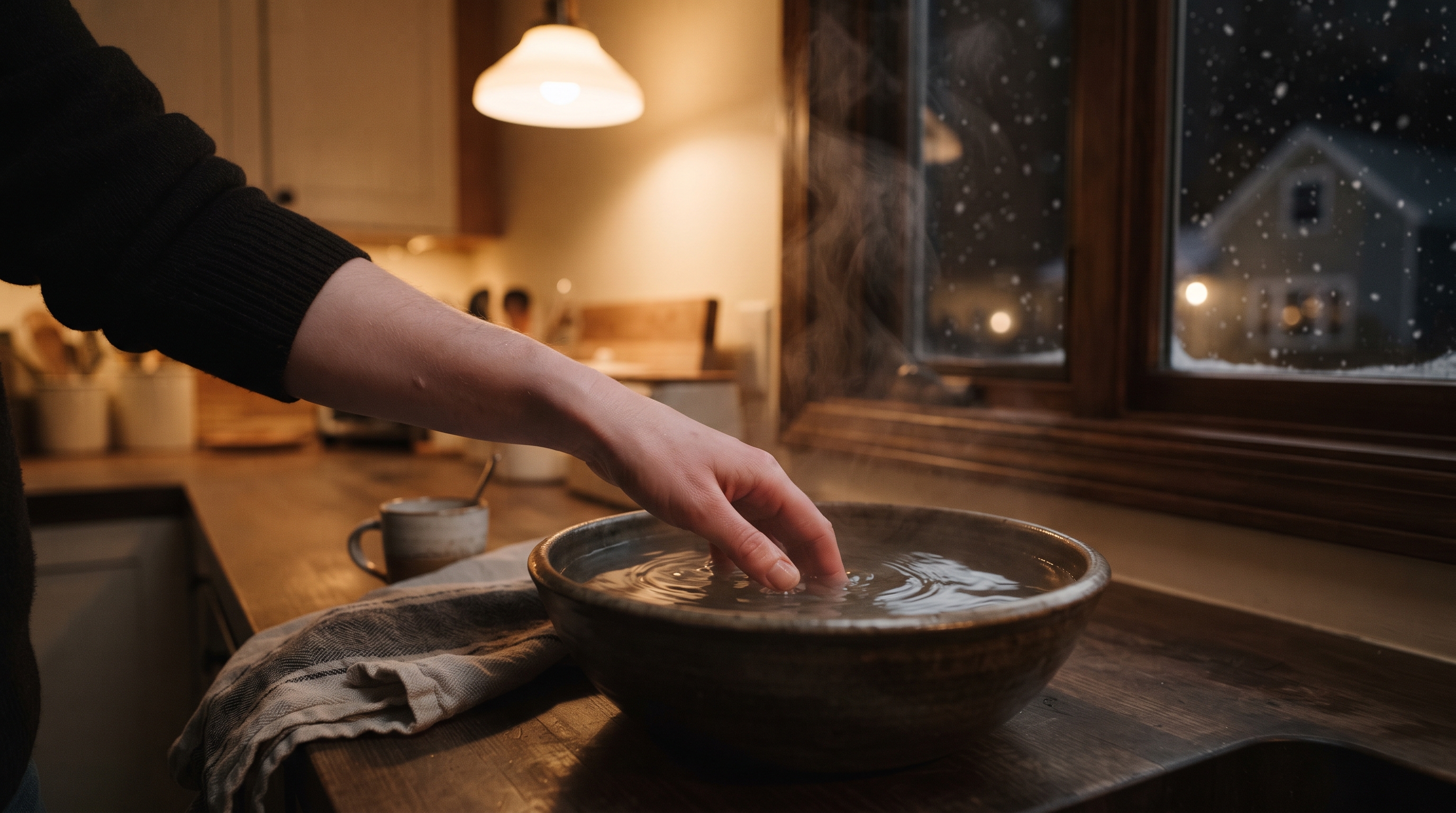
For ears or the nose, a warm, damp cloth pressed gently against the skin and refreshed as it cools works the same way. The point is steady, moderate warmth held over time, not a quick jolt.
Rewarming hurts. That's expected and it's actually a decent sign, since pain returning means nerve function is coming back online. Throbbing, burning, or swelling during the process is normal. What isn't normal is skin that stays gray, hard, or numb well after the 30-minute soak. That's your cue to get medical care rather than keep trying at home.
The Mistakes That Make It Worse
A few habits show up again and again in frostbite cases, and every one of them turns a recoverable injury into a worse one.
Direct heat sources. A stove, space heater, heating pad, campfire, or car heater vent aimed at frostbitten skin feels like the obvious fix. It isn't. Frostbitten tissue has lost sensation, so you can't feel a burn happening until the damage is done. Stick to warm water or body heat, never a direct heat source.
Rubbing with snow. This is old advice that refuses to die, and it's backwards. Snow doesn't warm anything, and the friction damages already-fragile tissue.
Walking on frostbitten feet. If your toes are affected, avoid walking on them any more than you have to. Weight and friction on numb, damaged tissue speeds up injury the same way rubbing does.
Refreezing thawed tissue. If there's any real chance the area will get cold again before you reach permanent shelter, don't start the rewarming process yet. Thawing and then refreezing the same tissue causes worse damage than staying frozen a little longer until you're somewhere you can stay warm. Wrap it, protect it, and wait until you're truly out of the cold for good.
Alcohol. It feels warming, but it actually widens blood vessels near the skin's surface and speeds heat loss from your core. Skip it until you're fully warmed and safe.
When Frostbite Needs a Hospital, Not a Bathtub
Mild frostnip, the kind with no lasting numbness or discoloration once you're warm, is something you can manage at home. True frostbite usually isn't. If you see any of the following, treat it as a medical emergency and head to urgent care or an ER after the initial rewarming:
- Blisters, especially blood-filled ones
- Skin that stays gray, white, or waxy after 30 minutes of warm water rewarming
- Deep numbness or a complete loss of feeling in the area
- Skin that turns dark, purplish, or black, which can signal deeper tissue damage
Hypothermia often shows up alongside frostbite, especially after longer cold exposure, so if someone seems confused, is shivering uncontrollably, or their speech is slurred, that takes priority over the frostbite itself. Our guide on hypothermia first aid covers the full response for that.
According to the CDC, frostbite most often affects the fingers, toes, nose, ears, cheeks, and chin, and severe cases can require medical treatment to prevent permanent tissue loss. Mayo Clinic recommends the same warm-water approach outlined above and specifically warns against direct heat sources for the reasons we covered.
If cold exposure happens somewhere remote, on a hunting trip, an ice fishing trip, or a hike that went longer than planned, the same rules apply, they're just harder to follow with fewer resources on hand. Our guide to what to do if you get lost in cold country covers the decisions that come before frostbite even becomes a factor.
None of this requires special training, but it does require having something on hand to work with, dry layers, a way to warm water, a first aid kit that isn't buried in a closet somewhere. If you haven't put one together yet, our home first aid kit checklist is a good place to start.
That's the whole idea behind the 1stHour Trauma Kit. It's built so the basics are already in reach when you need them, 82 pieces chosen for the moments that matter most, not something you're digging for while someone's fingers go numb.
This content is for informational purposes only and does not constitute medical advice. If you suspect frostbite or hypothermia, seek professional medical attention. In a medical emergency, call 911 immediately.


