The Psychological Aftermath of a Disaster: What's Normal and When to Get Help
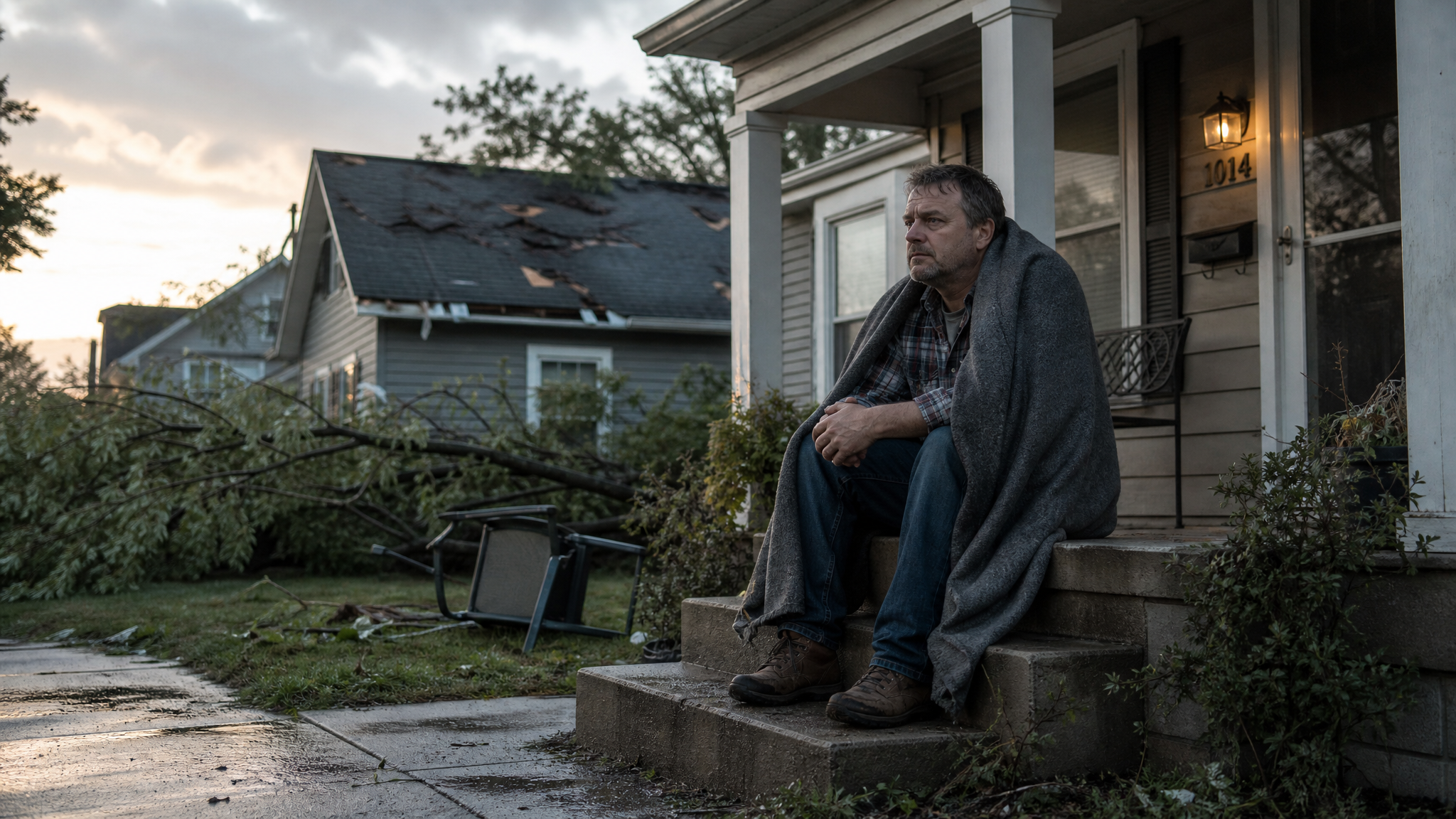
The storm passes. The water recedes. The fire gets contained. And then the part nobody prepares you for starts: the days and weeks after, when the physical danger is gone but your body and mind haven't gotten the memo yet. Maybe you can't sleep. Maybe small things set you off. Maybe you feel oddly flat, like you're watching your own life from a few feet away. The psychological effects of a disaster are just as real as the physical ones, even though nobody hands you a checklist for them. None of that means you're broken. It means you went through something real, and your nervous system is still catching up. This post walks through what's a normal part of that process, what's a sign you need more support, and what you can actually do about it.
The Psychological Effects of a Disaster: What Happens Right Away
In the first hours and days after a disaster, most people describe some version of the same thing: a strange calm, or a strange blankness, sitting right next to the fear. That's not denial and it's not weakness. It's your brain prioritizing survival tasks over emotional processing, because it can only do one at a time under real threat.
Common reactions in this window include feeling numb or disconnected, like the situation is happening to someone else, trouble concentrating on simple tasks, irritability that seems to come out of nowhere, trouble falling or staying asleep, and replaying the event over and over, sometimes as intrusive images or flashes rather than full memories.
These reactions aren't a diagnosis. They're what a normal nervous system does when it's been through an abnormal event. For most people, they start to soften within a week or two, especially once basic needs like safety, food, and sleep are stable again.
Normal Stress Reactions vs. Something More Serious
There's a real difference between a passing stress reaction and a clinical condition, and the line is mostly about time and intensity.
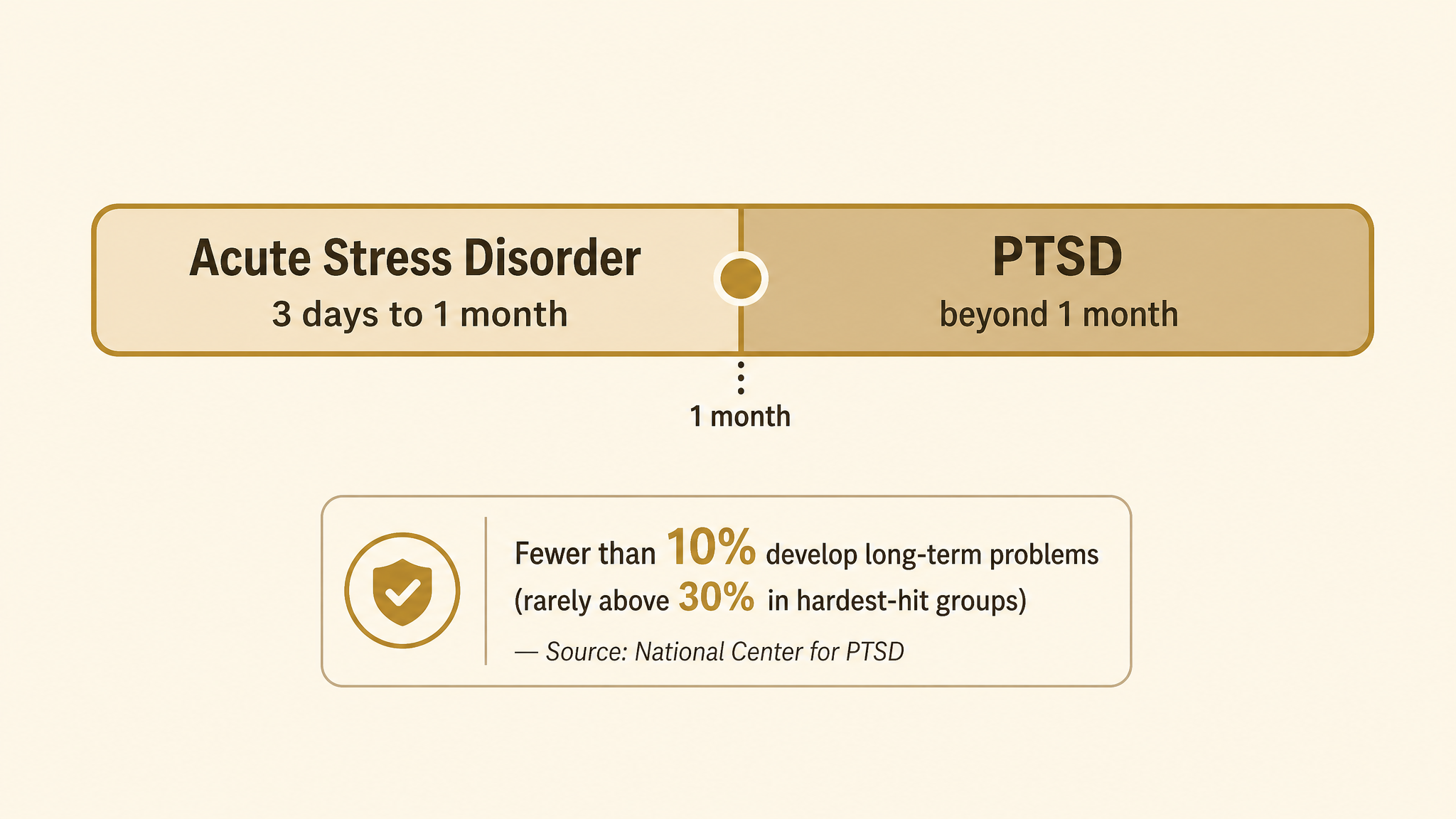
Clinicians use the term acute stress disorder for symptoms that show up within days of a traumatic event and last anywhere from three days to a month. It includes things like intrusive memories, avoidance of reminders, negative mood, feeling detached from your surroundings, and a nervous system stuck in high alert. If you meet enough of those criteria, it's still considered a normal, expected response to an abnormal event. It's not a life sentence, and most people who experience it recover without it turning into anything longer term.
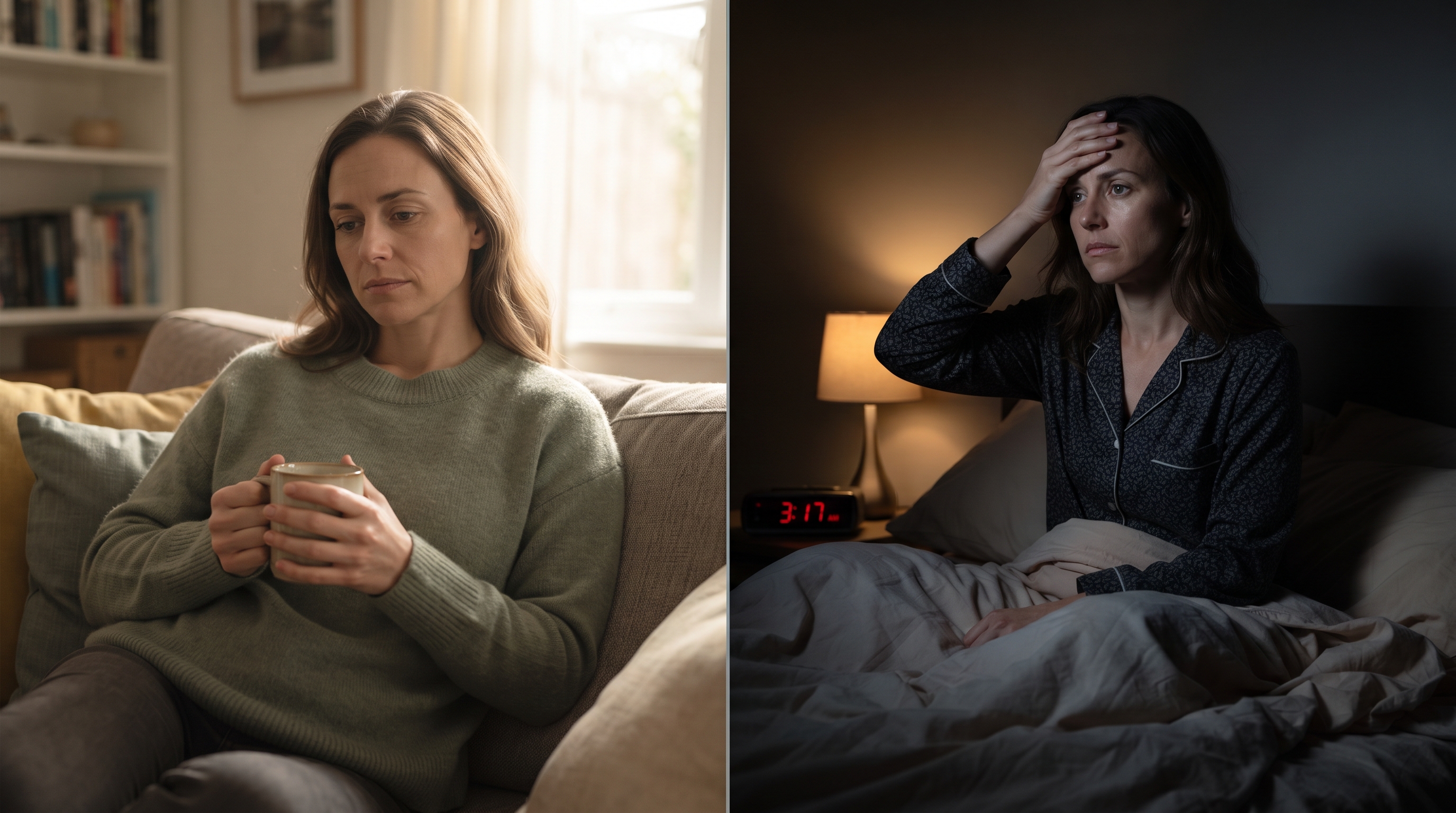
Here's a rough way to sort it in your own head. A normal stress reaction shows up right away, is uncomfortable but tolerable, and gradually loosens its grip week by week. Something that needs more attention tends to plateau instead of easing, or actively gets worse the longer it's been since the event.
When the Psychological Effects Turn Into PTSD
Post-traumatic stress disorder is the diagnosis used once symptoms have lasted more than a month and are still significantly disrupting daily life. Research compiled by the National Center for PTSD suggests that chronic, long-term mental health problems affect a minority of people exposed to a disaster, generally under 10 percent and rarely more than 30 percent even in the hardest-hit groups. Most people are more resilient than the aftermath makes them feel in week one.
That said, some people are at higher risk of the stress reaction sticking around: those with a prior mental health history, those who were physically injured or lost someone, those with less social support, and those whose exposure to the event was more direct or prolonged. If several of those apply to you or someone you love, it's worth paying closer attention rather than assuming things will resolve on their own.
Symptoms worth flagging after the one-month mark include persistent nightmares or flashbacks, avoiding anything that reminds you of the event to the point it shrinks your life, feeling emotionally numb or cut off from people you care about, being constantly on edge, and any thoughts of hurting yourself. None of these mean you failed to cope. They mean the event was bigger than what your system could fully process on its own, and that's common enough to have a name and a treatment path.
How to Support a Family Member or Neighbor Who's Struggling
If someone close to you went through the same event, or a different one, here's what actually helps, based on what disaster mental health responders consistently recommend.
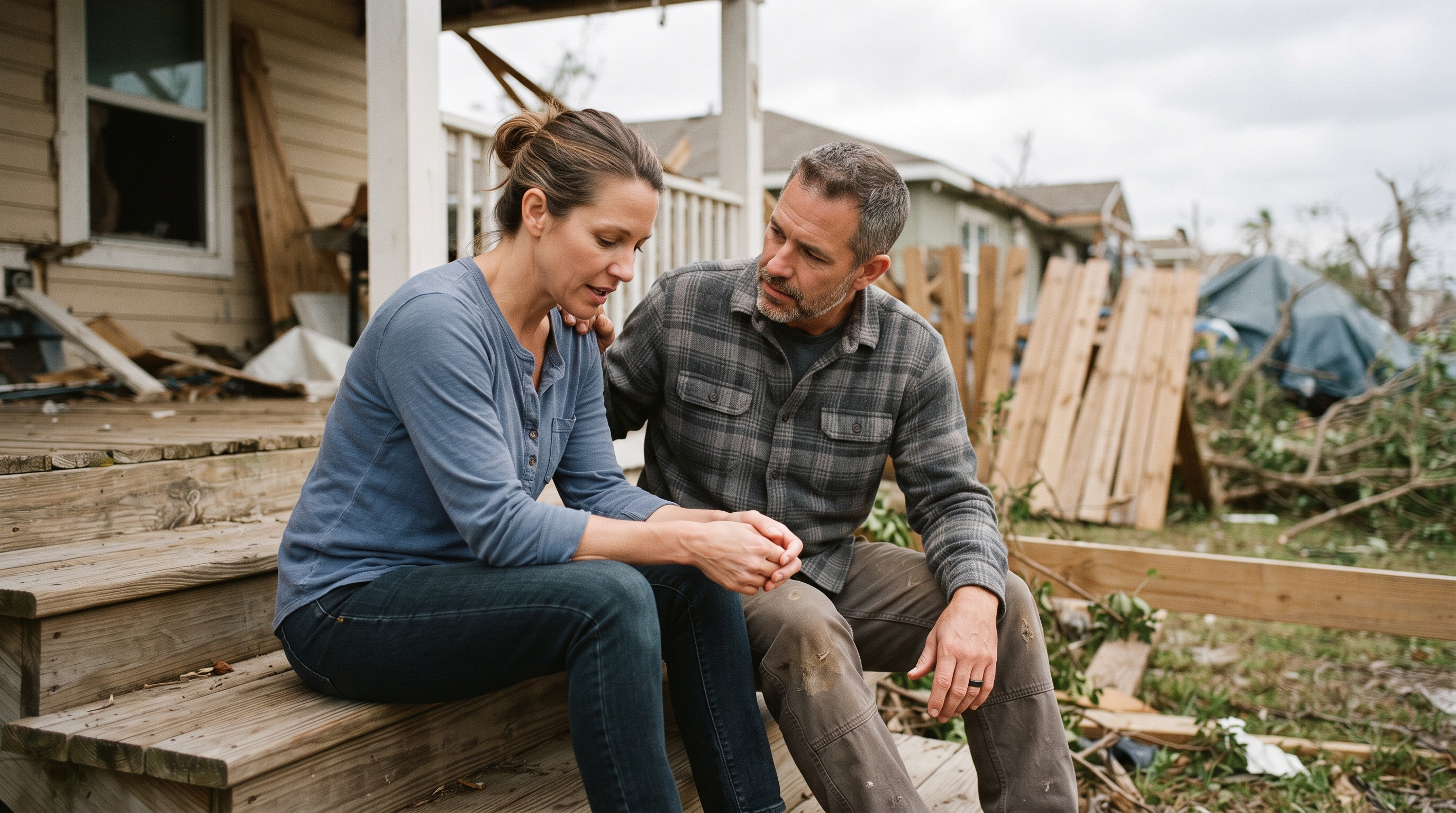
Show up and stay ordinary. Sitting with someone while they fold laundry or watch a game does more than a big emotional conversation they're not ready for. Let them tell the story as many times as they need to, without correcting details or rushing them past it. Skip the comparisons ("at least you still have..."), even when they're meant kindly. Offer specific help instead of "let me know if you need anything," which is easy to decline and hard to actually use. And keep checking in past the first week or two, since that's usually when the initial wave of support from other people starts to fade and the person is often just getting to the harder part.
If you're a parent, kids pick up on your reaction more than your words. Staying steady, keeping routines as normal as you can, and answering their questions honestly but simply goes further than trying to shield them from the topic entirely.
When to Get Professional Help
There's no test you have to fail before it's acceptable to reach out. A good rule of thumb: if the distress is still intense a month out, if it's interfering with sleep, work, parenting, or relationships, or if you're leaning on alcohol or other substances to get through the day, that's a signal to bring in outside support rather than a sign you've hit some low bar of "bad enough."
The Disaster Distress Helpline, run by SAMHSA, is a free and confidential resource built exactly for this. You can call or text 1-800-985-5990, any time, day or night, and reach a trained crisis counselor who understands disaster-specific stress. It's not only for the worst-case scenario. It's a legitimate first call if you're not sure whether what you're feeling warrants more help.
A primary care doctor is also a reasonable place to start if a hotline feels like too big a step. They can screen for depression, anxiety, and PTSD, and refer you to a therapist who specializes in trauma if needed.
Taking Care of Yourself While You Recover
Recovery isn't only about therapy appointments. The daily basics matter more than people expect.
Try to keep some kind of sleep and meal schedule, even a loose one, since routine gives an overwhelmed nervous system something predictable to hold onto. Limit how much disaster coverage you're consuming, especially footage of the event itself, per SAMHSA's coping guidance. Staying informed is reasonable; watching the same clip on a loop just re-triggers the stress response. Movement helps, even a short walk. Alcohol and other substances might blunt the feeling short term but tend to slow recovery and can make sleep and mood worse over a few weeks.
And don't discount ordinary connection. A support group of people who went through the same event, a regular phone call with a friend, time with a pet, or just being around family doing normal things all give your nervous system evidence that the world is stable again. That evidence is a real part of what resolves the stress response, alongside time and your own effort.
If you went through the physical side of a disaster, you already know how much the first hour after impact matters. Read our earthquake survival guide or our hurricane prep checklist for what to do in that window. But the aftermath deserves the same seriousness. Understanding why your brain freezes in an emergency can also help make sense of some of what you're feeling now, since the same stress response that gets you through the event is often what's still running in the background afterward. And if this event has you rethinking how prepared your household is for the next one, building a family emergency plan is a concrete step that can lower anxiety about the next unknown, because you'll have already answered some of the hardest questions in advance.
Being ready for the physical first hour of an emergency is what 1st Hour is built around, and the 1stHour Trauma Kit is there for that moment. But the hours and weeks after matter just as much, and that recovery deserves real attention while it's happening, not an afterthought once the immediate danger has passed.
This content is for informational purposes only and does not constitute medical or mental health advice. If you or someone you know is in crisis, contact the Disaster Distress Helpline at 1-800-985-5990 or call 911.


