Fainting vs. Something Worse: How to Tell When a Passed-Out Person Needs 911
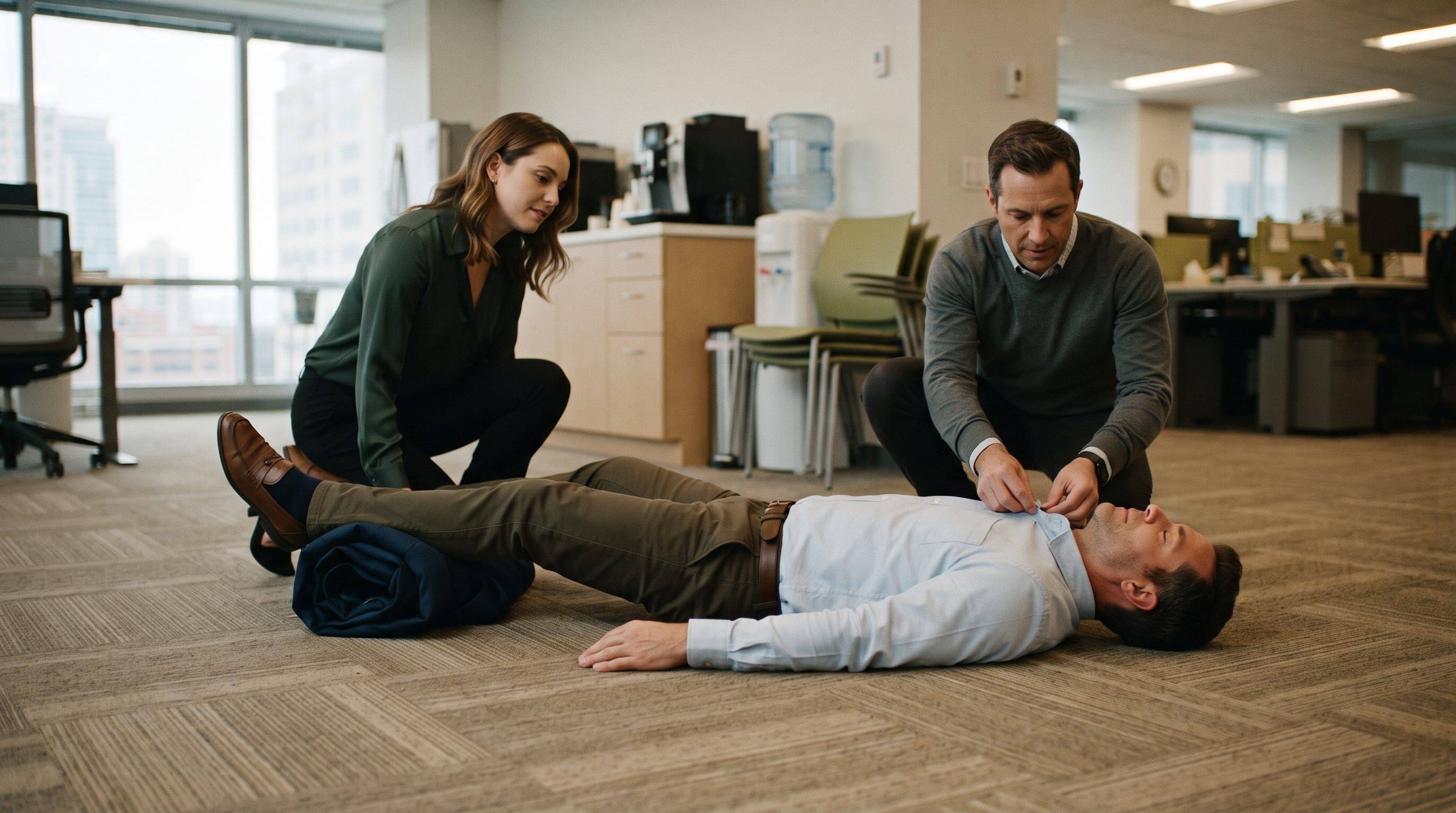
Why did someone faint? That's the first question that runs through your head the moment it happens. Someone drops. One second they're standing next to you, the next they're on the floor, and your brain runs through every worst-case scenario it can find in about half a second. Is this a heart attack? A stroke? Should you already be calling 911?
Most of the time, the answer is calmer than your adrenaline wants it to be. Fainting is common, and the most frequent kind is genuinely not dangerous. But "most of the time" isn't "always," and knowing which situation you're actually in is what fainting first aid comes down to. This is about giving you a way to tell the difference in the moment, not just a list of symptoms to memorize later.
What's Actually Happening When Someone Faints
Why did someone faint? In the majority of cases, it's what's called vasovagal syncope, and the mechanics are simpler than the name suggests. Something triggers the vagus nerve, which then tells the heart rate and blood pressure to drop. Less blood reaches the brain for a few seconds, and the brain responds by shutting the lights off temporarily. Gravity does the rest, and the person ends up flat on the ground, which actually restores blood flow to the brain faster than standing ever could.
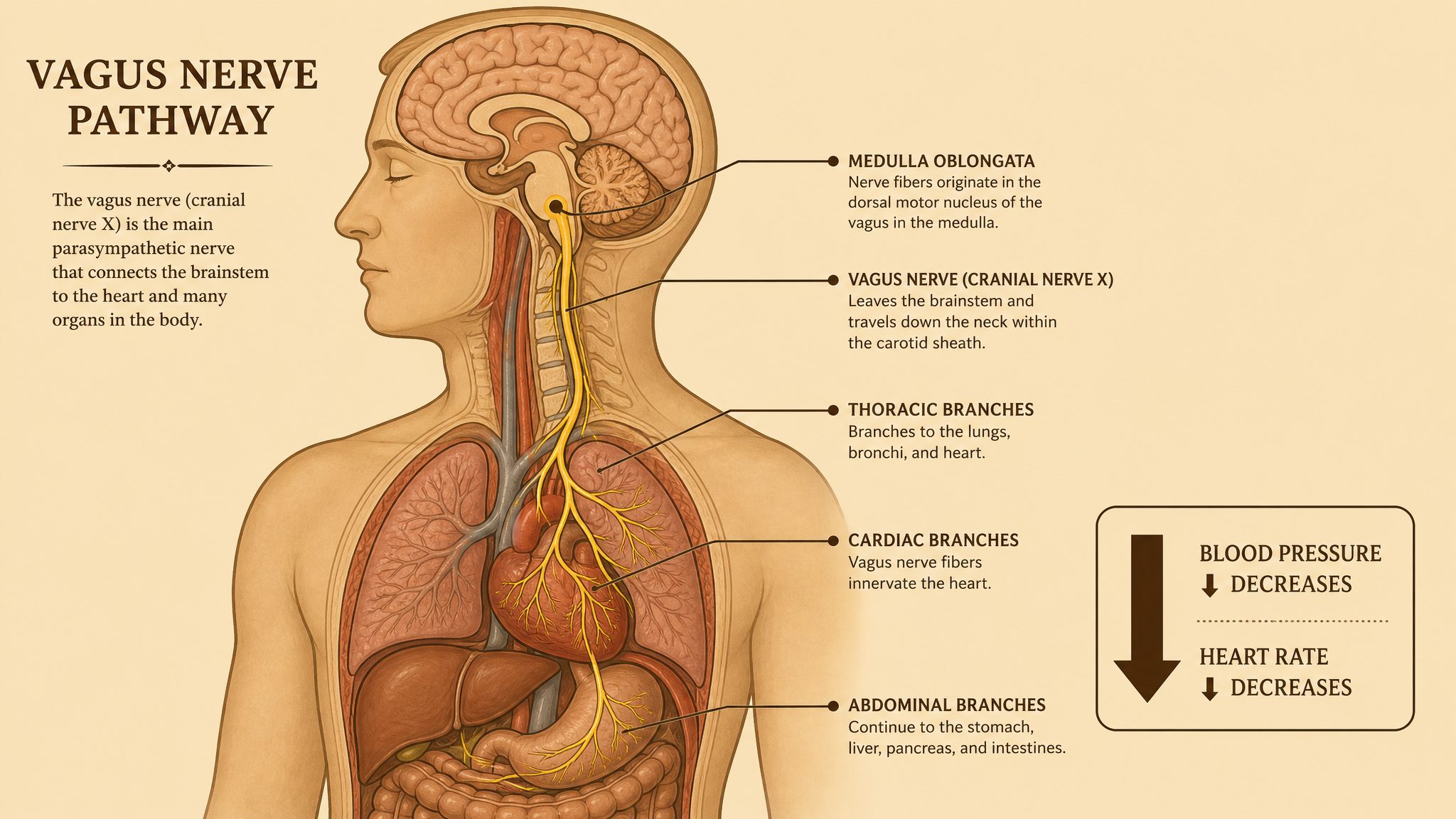
The triggers are almost boring in how ordinary they are. Standing too long in the heat. The sight of blood or a needle. Sudden pain. Standing up too fast after sitting or lying down. Skipping meals. Dehydration. None of these point to a heart condition. They point to a nervous system doing exactly what it's built to do when it senses a temporary mismatch between blood pressure and brain demand.
That said, not every case of loss of consciousness works this way, and that's the piece worth taking seriously.
What to Do in the First Minute
Before you diagnose anything, get the basics right. Lay the person flat on their back if it's safe to do so. Raise their legs about 12 inches using a bag, a folded jacket, or whatever's nearby, since this helps blood return to the brain faster than lying flat alone. Never put anything under their head.
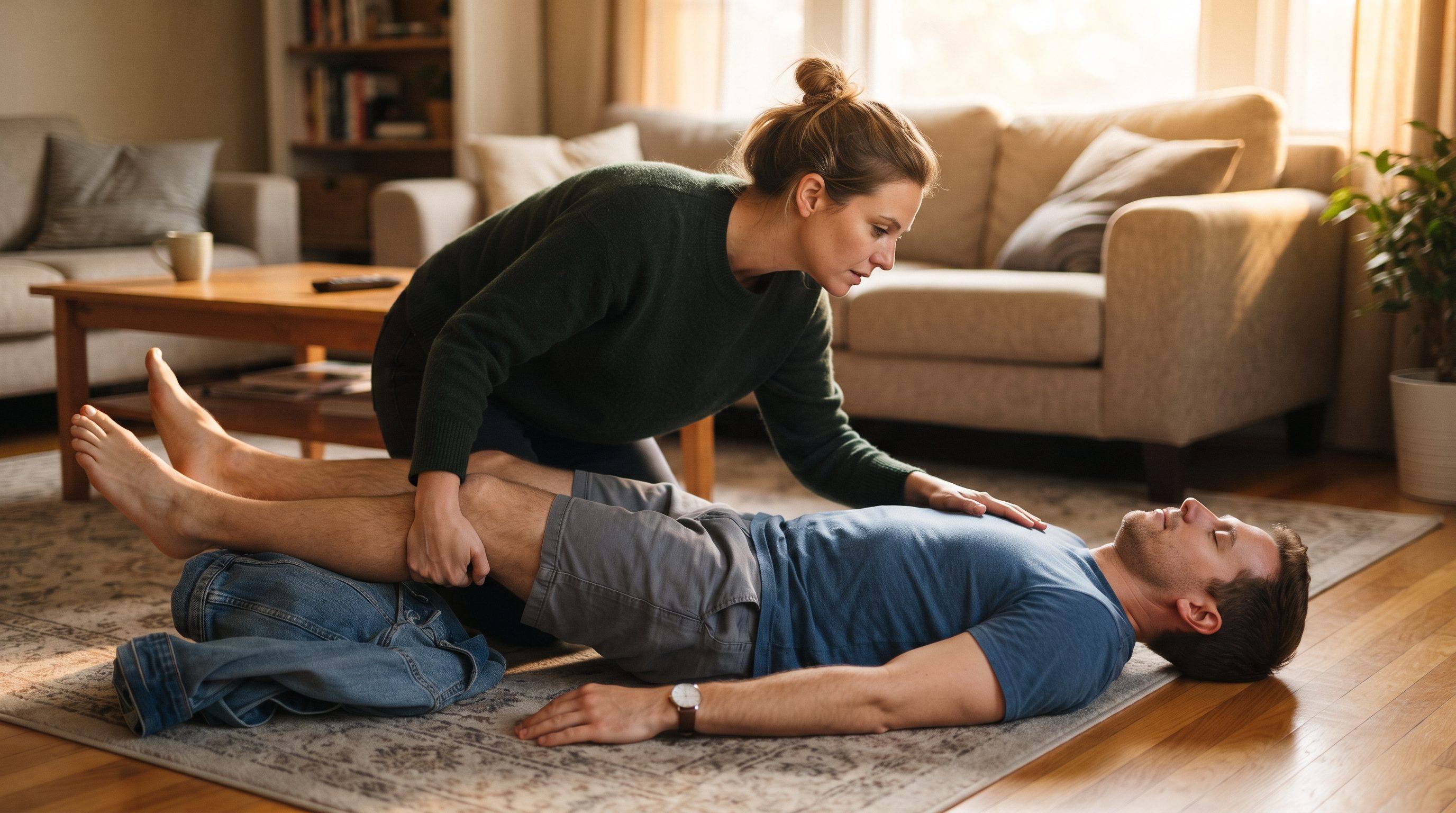
Loosen anything tight around the neck or waist, like a collar, tie, or belt. Check that they're breathing normally. If they've vomited or you're worried about choking, turn their head gently to the side. Don't try to sit them up or prop them against a wall right away. Sitting upright too soon is one of the most common mistakes people make, and it can send them right back into another faint.
Most people who faint from a simple vasovagal trigger come around within 20 to 30 seconds, and they're usually alert again within a couple of minutes. Keep them lying down for a few extra minutes even after they wake up. Getting up too fast is exactly what causes round two.
Simple Fainting vs. Cardiac Syncope: The Difference That Matters
This is the part that actually changes what you do next. Simple fainting and cardiac syncope can look nearly identical in the first two seconds, but the story around the fall tells you which one you're dealing with.
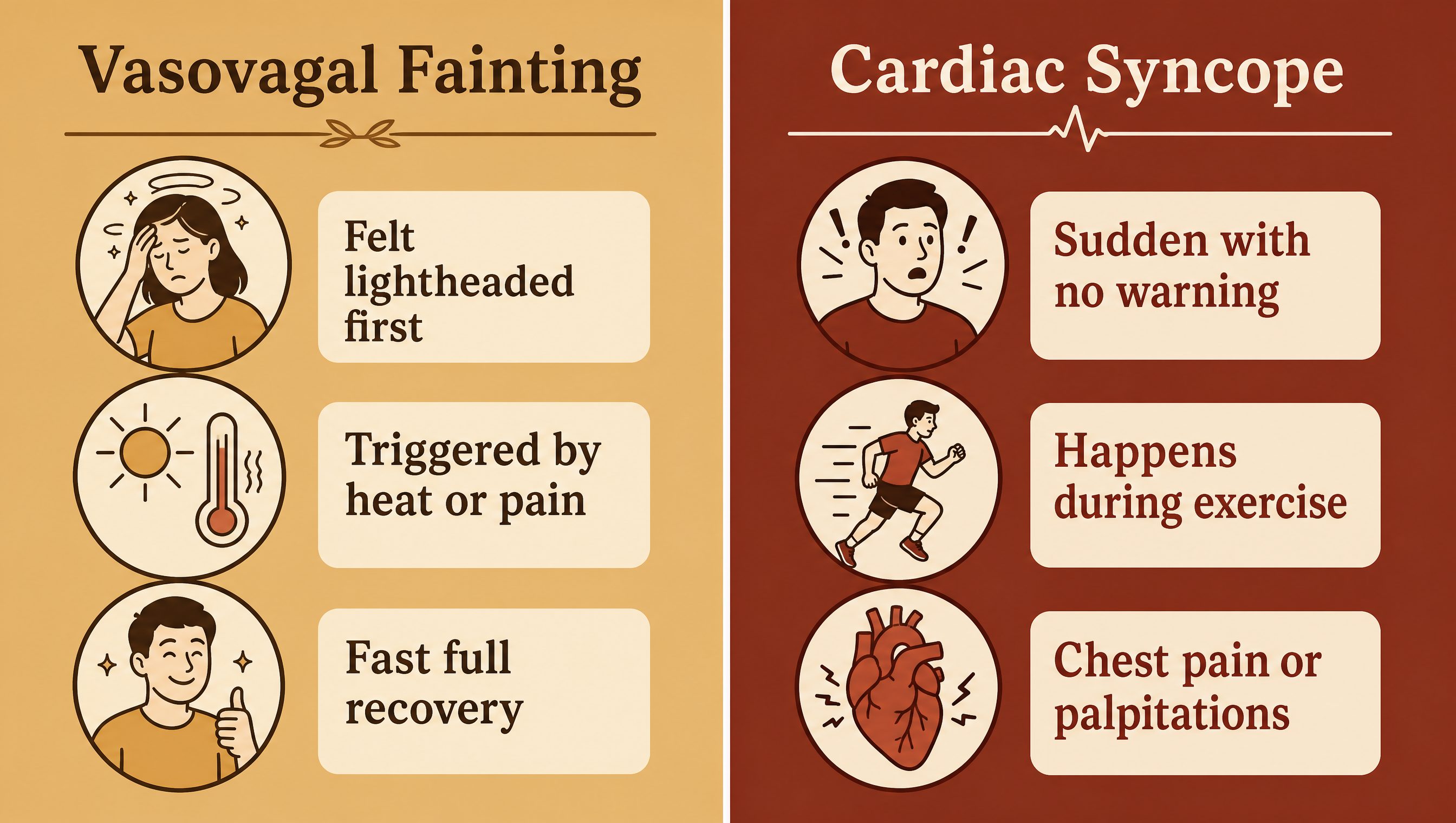
Vasovagal fainting usually comes with a warning. The person often says they felt lightheaded, saw spots, felt hot or nauseous, or heard ringing in their ears right before going down. It's typically triggered by something specific: standing too long, emotional stress, pain, heat. Recovery is fast and complete, usually within a minute or two, and the person feels more or less normal shortly after, aside from being a little shaken.
Cardiac syncope behaves differently. It can happen suddenly with no warning at all, sometimes mid-sentence or mid-step. It's more likely to occur during physical exertion rather than while standing still. And critically, it often comes with chest pain, heart palpitations, or shortness of breath either right before or right after the episode. A known heart condition in the person's history raises the odds significantly that a fainting spell has a cardiac cause rather than a nervous system one.
If you're unsure which one you're looking at, treat it as the more serious possibility. Nobody has ever been criticized for calling 911 over a fainting episode that turned out fine.
Red Flags That Mean Call 911, Not Wait
Some situations skip the "wait and see" phase entirely. Call 911 immediately if any of the following apply:
- The person doesn't regain consciousness within two minutes
- They have no pulse or aren't breathing normally, which is a different emergency covered in our guide to hands-only CPR
- They had chest pain, pressure, or palpitations before or after fainting
- The fainting happened during exercise or physical exertion
- They fell and hit their head, especially if they seem confused, are vomiting, or lost consciousness for more than a few seconds from the fall itself, which our guide to concussion warning signs covers in more detail
- They have a seizure, or their limbs jerk in a way that isn't a normal muscle twitch
- They're pregnant, elderly, or diabetic, all of which change the risk calculation
If you already know or suspect the person has a heart condition, our comparison of heart attack vs. cardiac arrest is worth reading, since the two get confused constantly and require different responses.
According to Mayo Clinic, calling 911 is the right move whenever someone doesn't regain consciousness within a minute or two, and MedlinePlus recommends the same response for anyone who fainted and is showing signs of a seizure, injury, or breathing trouble.
What Happens After They Come To
Once someone's awake and alert, don't rush them back to whatever they were doing. Have them stay lying down for a few minutes, then sit up slowly, then stand only when they feel steady. Offer water if they're able to drink safely. Ask if this has happened before, since a first-time fainting episode and a pattern of repeated fainting call for different levels of concern.
A single, clearly-triggered vasovagal faint with a fast recovery usually doesn't need an ER visit, though it's worth mentioning to a doctor at the next regular appointment. Repeated fainting, fainting with no clear trigger, or any of the red flags above are different stories and deserve a same-day medical evaluation, not a shrug.
Fainting in Specific Situations
A few scenarios come up often enough to call out on their own. Older adults who faint are more likely to have an underlying cardiac or medication-related cause than a healthy 22-year-old who stood up too fast in a hot room, so take fainting in older relatives more seriously by default. Low blood sugar can also cause sudden collapse that looks like fainting but needs a different response, which our guide on diabetic emergencies walks through.
Fainting during or right after exercise is a bigger warning sign than fainting from standing in line too long, because the heart is already working hard and shouldn't be struggling to keep blood pressure stable. And fainting that happens when someone stands up too quickly, especially after being sick, dehydrated, or on certain blood pressure medications, is common and usually benign, but worth mentioning to their doctor if it keeps happening.
The pattern across all of these is the same one this whole post keeps circling back to: context is everything. What happened right before, what came with it, and how fast they recovered tell you more than the fall itself ever will.
Being ready for a moment like this isn't about knowing every medical term. It's about having a clear, calm plan and the basic supplies to back it up when something bigger than fainting shows up unannounced. That's the thinking behind the 1stHour Trauma Kit, built for the minutes right after something goes wrong, before help gets there.
This content is for informational purposes only and does not constitute medical advice. If someone doesn't regain consciousness quickly, has chest pain, or shows any red-flag symptoms described above, call 911 immediately.


