Heart Attack vs. Cardiac Arrest: They're Not the Same Thing

You're at a family dinner. Your uncle pushes back from the table, grabs his chest, and goes pale. Everyone freezes. The next few seconds matter more than most people realize — not because of some dramatic medical fact, but because what you do depends entirely on which of these two things is happening to him.
Most people use the terms interchangeably. That's an understandable mistake. It's also a dangerous one.
This isn't academic. When you understand the difference between surviving the golden hour and not having one at all, the gap between these two conditions becomes visceral.
Why This Difference Actually Matters (It's Not Just Trivia)
Heart attack and cardiac arrest require different responses. Not slightly different — completely different.
In a heart attack, the person is usually conscious. They can talk to you. They might tell you what they're feeling. You have a window — sometimes a big one — to call 911, keep them calm, and get help on the way.
Cardiac arrest is immediate. The person collapses. There's no window. Every minute without CPR drops survival odds by roughly 10%. By the time paramedics arrive in a typical suburban neighborhood — 8 to 12 minutes — the math gets grim without bystander intervention.
Treating a cardiac arrest victim like a heart attack patient means you're waiting when you should be acting. That's the mistake that costs lives.
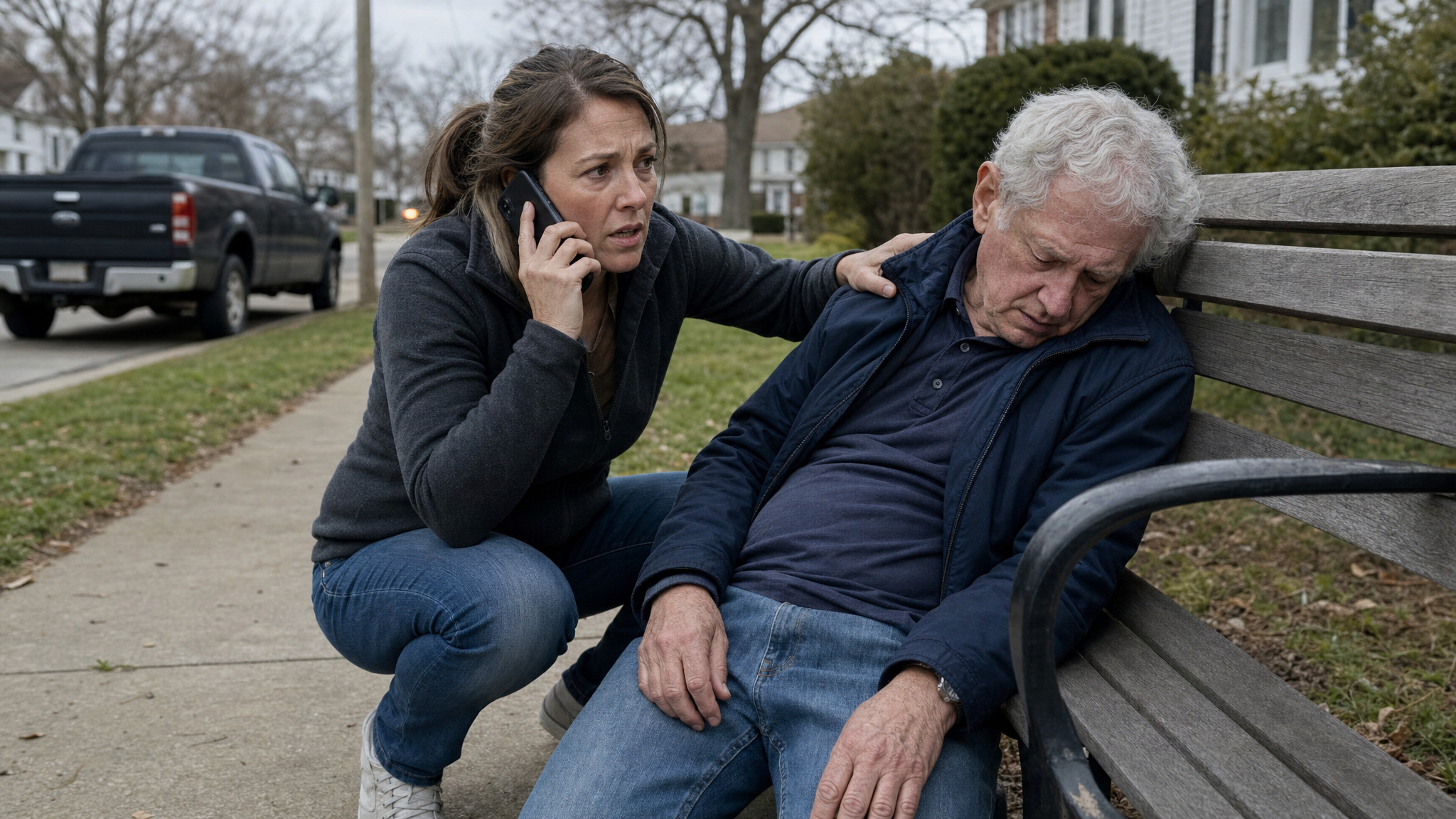
What Is a Heart Attack? (The Plumbing Problem)
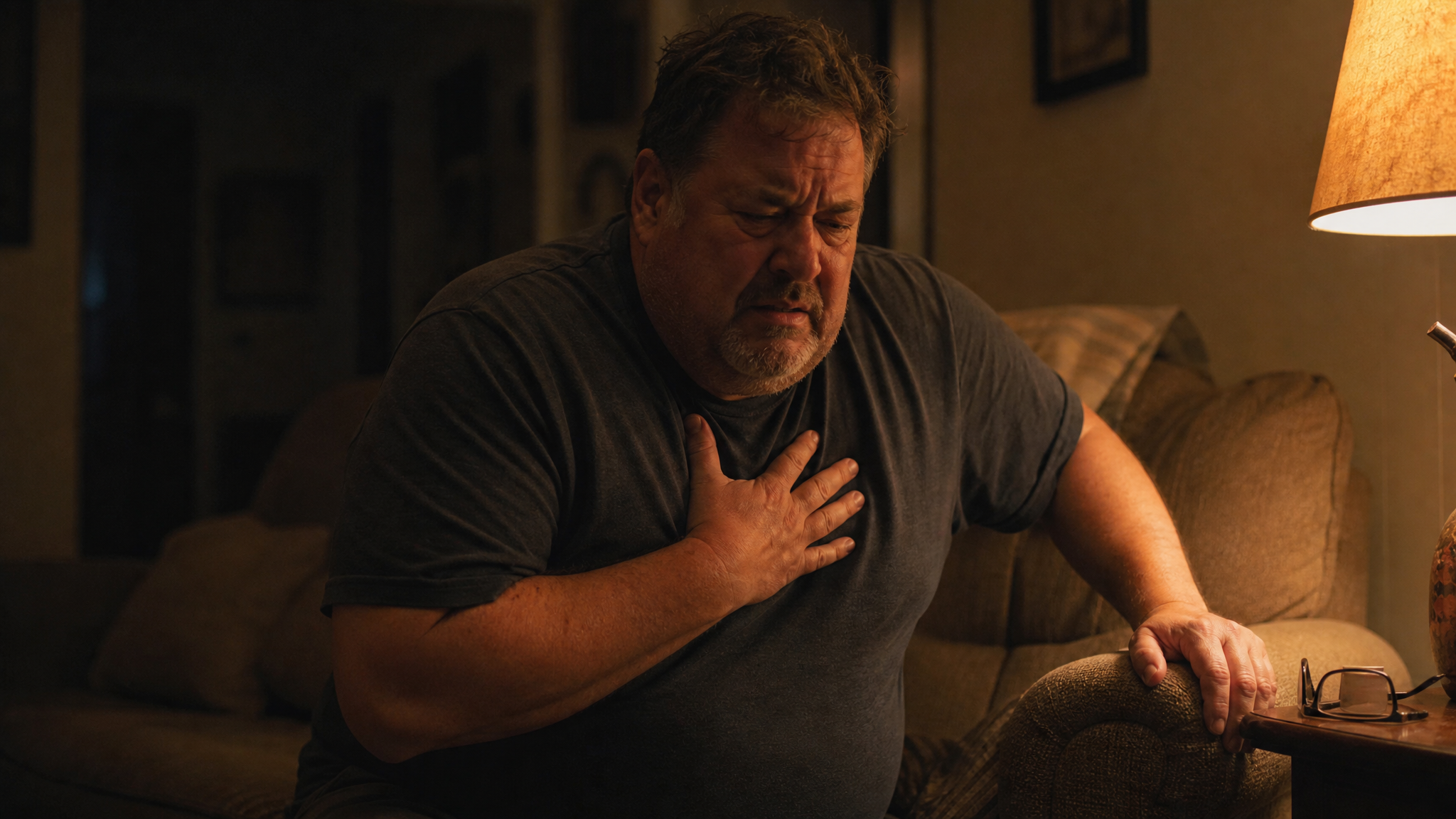
Think of the heart as a pump that needs its own fuel line. The coronary arteries supply that fuel — oxygenated blood — to the heart muscle itself.
A heart attack happens when one of those arteries gets blocked. Usually it's a clot forming on top of built-up plaque. The blood supply to part of the heart gets cut off. That section of muscle starts to die.
The key word: starts. This is a process, not an instant event. Heart attacks often unfold over minutes or hours. The heart is still beating. The person is still conscious.
Classic signs of a heart attack:
- Chest pain, pressure, or tightness — often described as squeezing or “an elephant on my chest”
- Pain radiating to the left arm, jaw, neck, or back
- Shortness of breath
- Nausea, cold sweat, lightheadedness
- A sense of something being seriously wrong
Women often experience less obvious symptoms — fatigue, nausea, or jaw pain without the dramatic chest-clutching. Don't dismiss those.
The heart attack victim is usually awake and aware something is wrong. That's important. It means you can communicate with them.
What Is Cardiac Arrest? (The Electrical Problem)
The heart isn't just a pump — it's a pump with an electrical system that tells it when to squeeze. Cardiac arrest happens when that electrical system goes haywire. The signal breaks down. The heart stops pumping blood effectively. Within seconds, the person loses consciousness.
No blood moving means no oxygen reaching the brain. Brain damage begins within 4 to 6 minutes.
Signs of cardiac arrest:
- Sudden collapse, often without warning
- No response when you call their name or shake their shoulder
- No normal breathing — may see gasping (agonal breathing), which looks like breathing but isn't effective
- No pulse
The person is unconscious. They cannot communicate. They may look like they're breathing when they're not. This is where people freeze — the gasping throws them off. If someone is unconscious and not breathing normally, assume cardiac arrest.
How to Tell the Difference in Real Life
- Conscious? — Heart Attack: Usually yes / Cardiac Arrest: No
- Breathing? — Heart Attack: Yes / Cardiac Arrest: No (or gasping only)
- Pulse? — Heart Attack: Yes / Cardiac Arrest: Absent or barely detectable
- Can they talk? — Heart Attack: Yes / Cardiac Arrest: No
- Time you have — Heart Attack: Minutes to hours / Cardiac Arrest: Seconds
The simplest field test: Can they respond to you?
Call their name loudly. Tap their shoulder firmly. If they look at you, groan, or push back — heart attack. If they slump and give you nothing — cardiac arrest.
Can a Heart Attack Turn Into Cardiac Arrest?
Yes. This is where it gets important.
A heart attack that goes untreated can trigger cardiac arrest. The damaged heart muscle disrupts the electrical signals. The heart goes from beating poorly to not beating at all.
This is why heart attacks are treated as emergencies even when the person is still conscious and seemingly stable. “He seemed fine, just a little pale” is a sentence said in a lot of emergency waiting rooms.
Cardiac arrest can also happen without a preceding heart attack. Severe arrhythmias, electrolyte imbalances, drug interactions, trauma — any of these can stop the heart directly.
The short version: a heart attack can become cardiac arrest. Cardiac arrest doesn't need a heart attack to happen. They're related, but not the same event.

What to Do if You Think Someone Is Having a Heart Attack
They're conscious. They're complaining of chest pain or the other symptoms above. Here's what you do:
- Call 911 immediately. Don't drive them yourself unless you're told to. Paramedics can start treatment in the ambulance. That matters.
- Have them sit or lie down in whatever position is most comfortable. Don't let them walk around.
- Loosen anything tight — collar, belt, tie.
- If they're not allergic and not already on a blood thinner, give them one regular aspirin (325mg) to chew. Not swallow whole — chew. The 911 dispatcher will likely ask about this.
- Stay with them and keep them calm. Anxiety raises heart rate and makes things worse.
- Watch for changes. If they lose consciousness and stop breathing normally, you've moved into cardiac arrest protocol. That's a different situation.
Do not give them water, food, or anything else to eat. Do not leave them alone. Do not let them tell you they're fine and wave you off. Take it seriously.
What to Do if Someone Goes Into Cardiac Arrest
This is where seconds count. The protocol is not complicated. Hesitating is the problem.
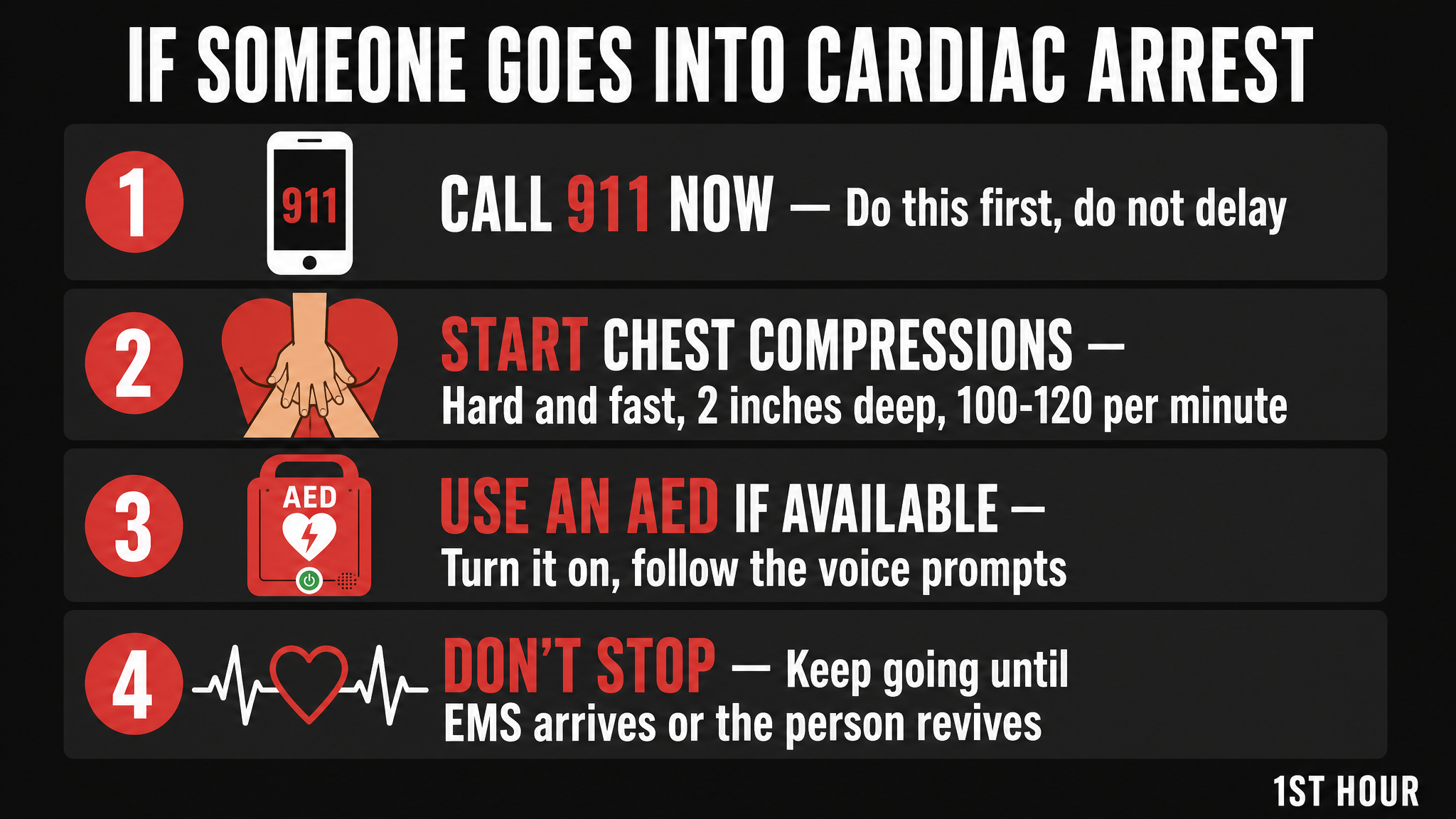
- Call 911 immediately — or tell someone specific to do it. (“You in the blue shirt — call 911 now.”)
- Start CPR. Hard, fast compressions in the center of the chest. At least 2 inches deep. 100 to 120 compressions per minute. Push hard — you're not going to hurt them more than cardiac arrest already will.
- If there's an AED nearby, use it. Most public buildings have them. Someone can retrieve it while you do compressions. The AED will walk you through it with voice prompts.
- Don't stop until paramedics take over — or the person shows clear signs of recovery (breathing normally, moving, responding to you).
Not sure how to do hands-only CPR? Here's exactly what to do.
Hands-only CPR — no rescue breaths — is effective and the current recommendation for untrained bystanders. If you've been trained in CPR with breaths, use that. If you haven't, just compress. Doing something is the right answer.
The One Thing Most People Get Wrong
They wait.
They watch the person, uncertain about whether it's serious. They think about whether they should do something. They ask if someone else has had first aid training. They hesitate because they don't want to overreact.
In cardiac arrest, waiting kills. Every minute without compressions is another 10% drop in survival odds. The paramedics who show up 9 minutes later are doing their jobs — but they're doing them on a patient who needed intervention 9 minutes ago.
The rule is simple: if you're not sure, act. Check for response. Check for breathing. If they're unconscious and not breathing normally, start compressions.
You cannot make this worse by trying. You can make it worse by watching.
A Simple Way to Remember the Difference
Heart attack: The heart is still running, but the fuel line is blocked. Time is limited, but you have some. Call 911. Keep them calm. Watch closely.
Cardiac arrest: The heart has stopped. You are the bridge between now and the paramedics. Start CPR immediately.
One is urgent. The other is right now.
If they're unconscious and not breathing normally — don't wait. Start CPR. Now.
The gap between knowing this and not knowing it is real. If someone near you goes down at a restaurant, at a game, at a family dinner — you'll know what you're looking at. You'll know what to do. That's not a small thing.
The 1st Hour training kit includes a step-by-step emergency response card designed for exactly these situations — no medical background required. Learn more and get yours here.
This content is for informational purposes only and does not constitute medical advice. In an emergency, always call 911.


