Ruptured Eardrum: What to Do After a Loud Blast or Water Injury

You were at the range, or the pool, or a concert, and something in your ear just changed. Maybe it was a sharp pain that came and went in a second. Maybe your hearing went muffled like you're underwater. Maybe there's fluid running out and you're not sure if it's water, wax, or something worse. A ruptured eardrum is more common than people think, and in most cases it's not an emergency. But knowing which symptoms mean "wait it out" and which mean "go now" matters, especially in that first hour when you're still deciding what to do.
Ruptured Eardrum Symptoms: What It Feels Like
The eardrum, or tympanic membrane, is a thin sheet of tissue that separates your outer ear canal from the middle ear. When it tears, most people notice a cluster of signs together, not just one:
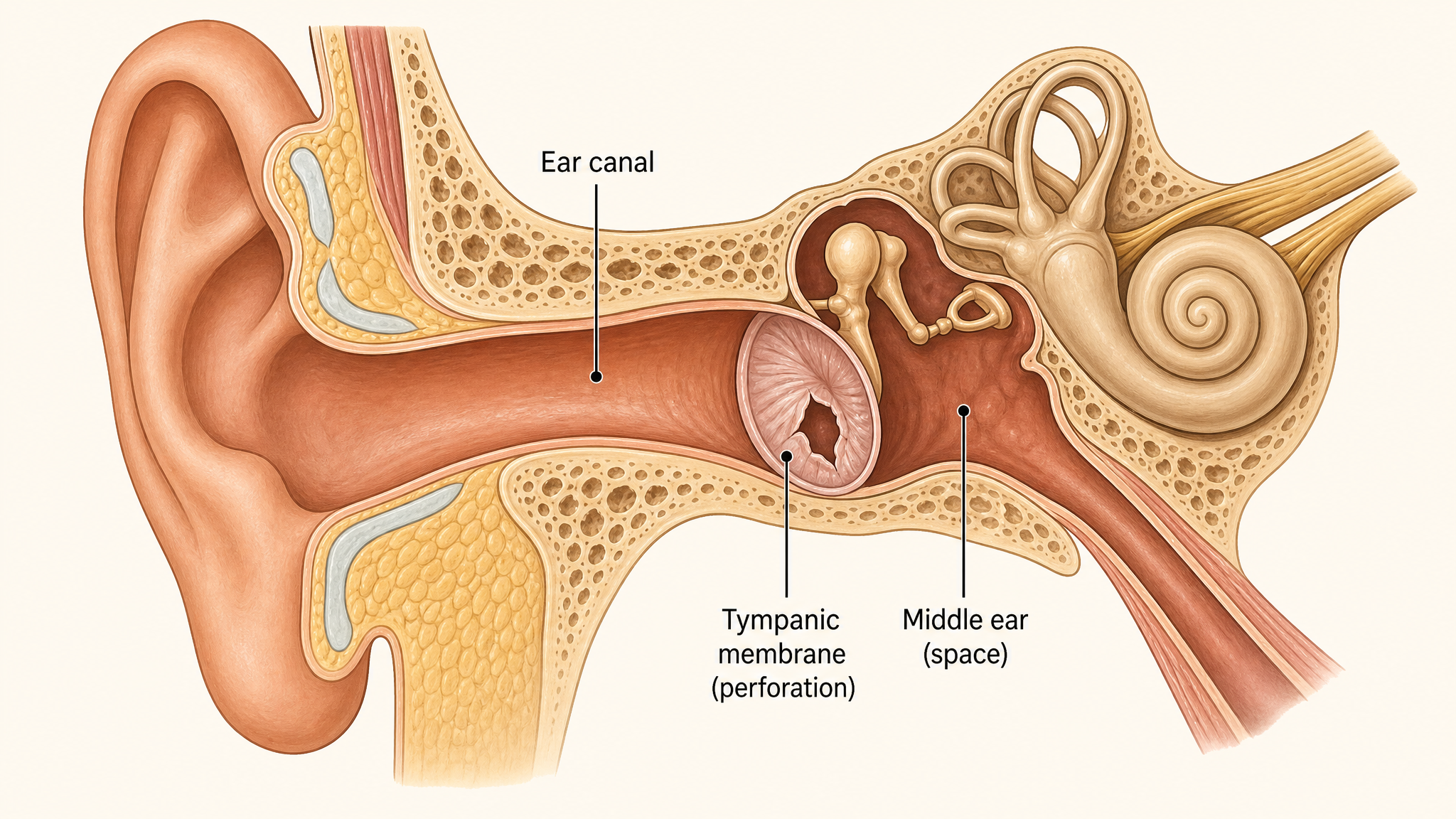
- A sudden, sharp pain that often eases up quickly once the membrane tears, which catches people off guard because the pain relief can feel like the problem solved itself
- Fluid, mucus, blood, or pus draining from the ear canal
- Muffled or reduced hearing in that ear
- Ringing or buzzing (tinnitus)
- A spinning sensation or nausea, especially right after the injury
Not everyone gets all five. Some people barely notice anything beyond a pop and some temporary muffling. Others get hit with pain sharp enough to bring them to their knees. The size and location of the tear has a lot to do with how it feels.
What Actually Causes a Ruptured Eardrum
There are four main ways this happens, and none of them are rare.
Loud noise. A gunshot, an explosion, fireworks going off too close, even standing next to a speaker stack at a concert can push a sound wave hard enough to tear the membrane. This is acoustic trauma, and it's one of the more sudden, violent-feeling ways to get a ruptured eardrum, according to Mayo Clinic.
Pressure changes. Scuba diving and flying are the classic culprits. If you dive or ascend with a stuffy nose and can't equalize the pressure between your middle ear and the outside water or air, the pressure difference can tear the eardrum from the inside out. This is called barotrauma, and the Divers Alert Network is blunt about it: don't dive again until an ENT clears you.
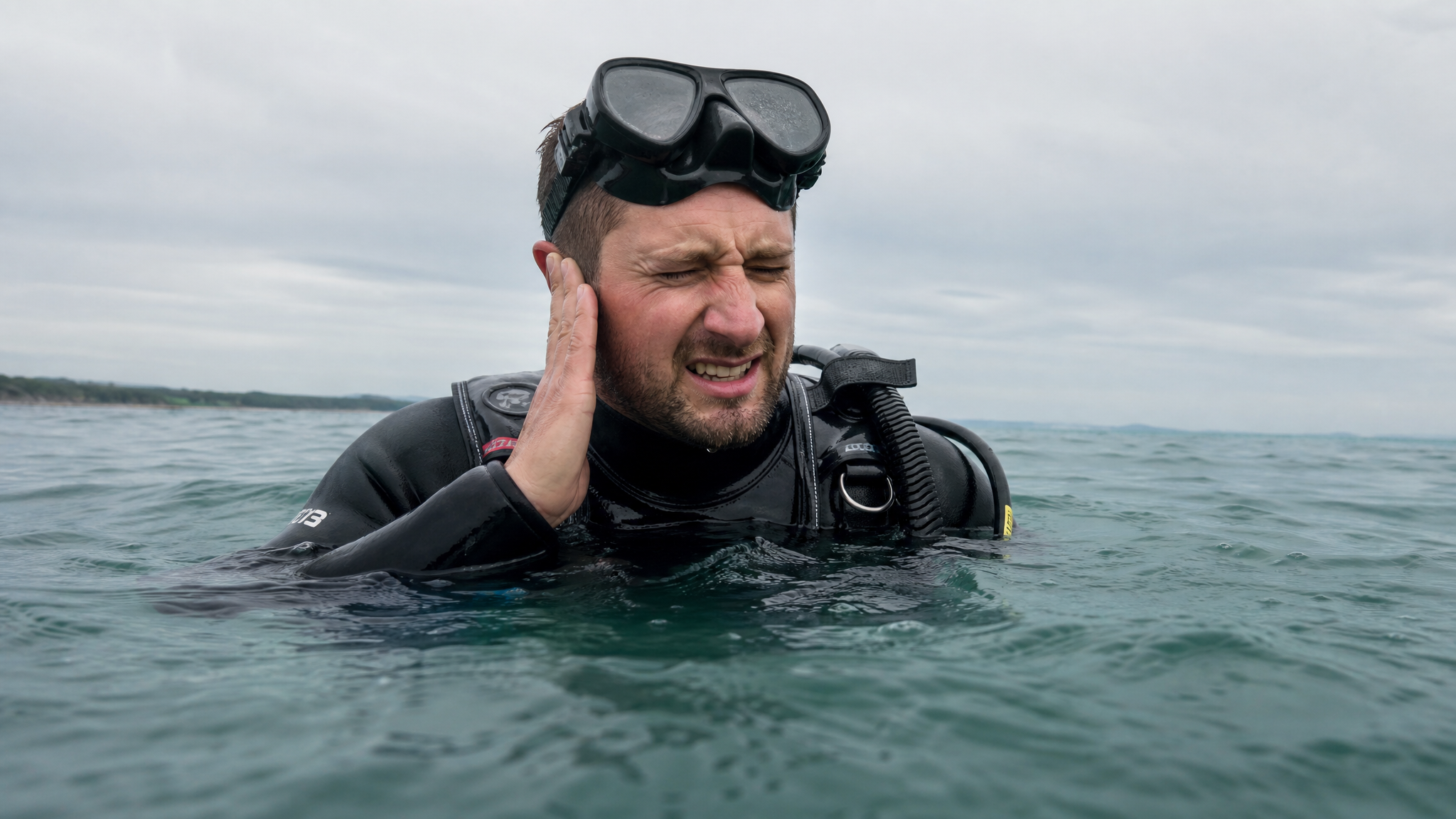
Direct trauma. Cotton swabs are the number one offender here, followed by bobby pins, fingernails, and anything else people use to dig around in their ear canal. A slap to the side of the head or a blow during contact sports can also do it, because the impact drives air pressure straight into the canal.
Untreated ear infections. A middle ear infection can build up enough pressure and fluid that the eardrum bursts on its own to relieve it. This is actually the body's way of draining an infection, and it often comes with relief from pain that had been building for days.
What to Do in the First Hour
If you suspect a ruptured eardrum, the goal right now is protection, not treatment. There isn't much you can do to fix it yourself, and trying usually makes it worse.
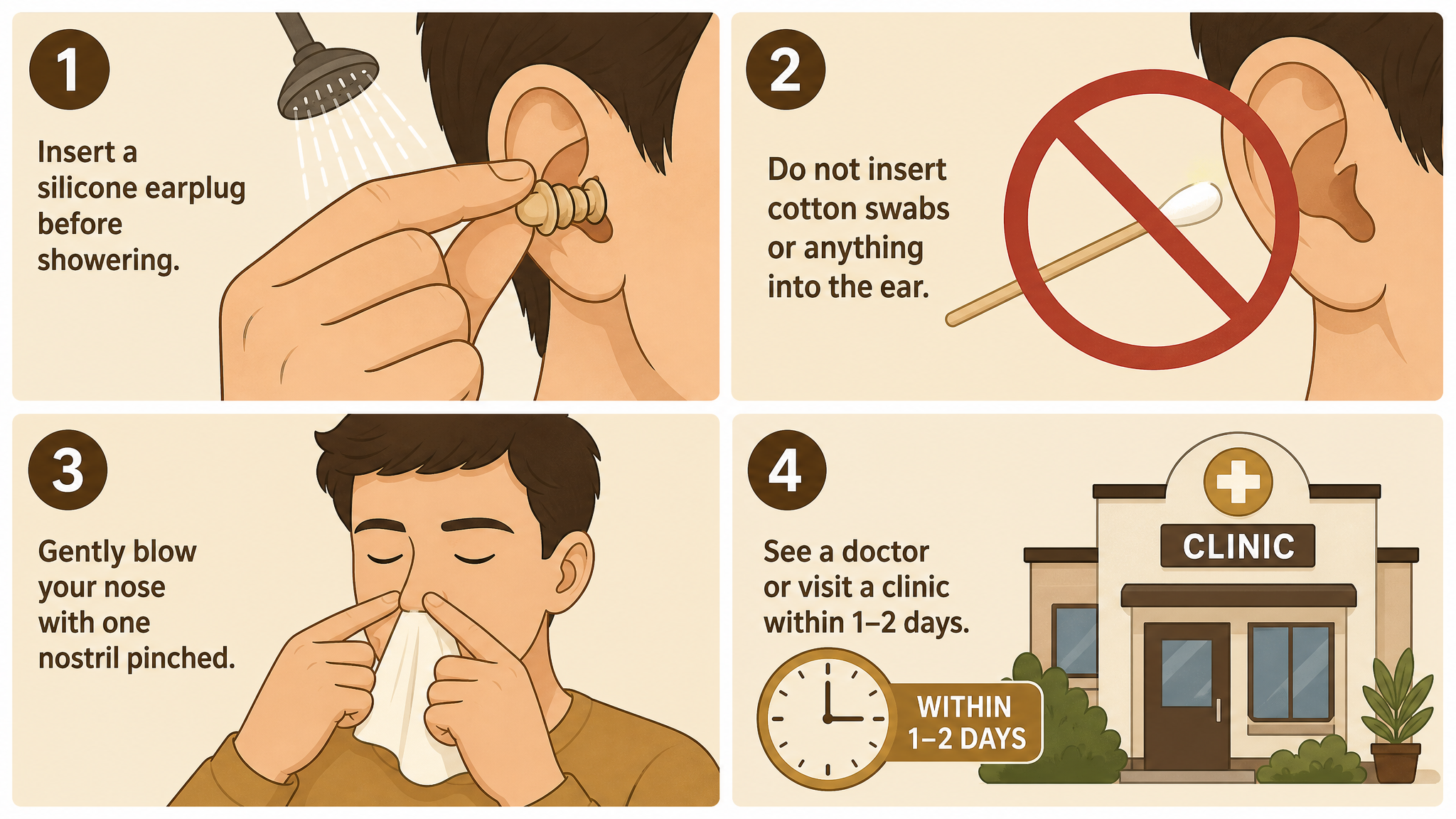
- Keep it dry. Water in a torn eardrum raises infection risk and can slow healing. Skip swimming, and use a silicone earplug or a cotton ball coated in petroleum jelly when you shower.
- Don't put anything in the ear canal. No cotton swabs, no ear drops unless a doctor tells you to use them, no attempts to look inside with a flashlight and a probe. Leave the tear alone so it can start closing on its own.
- Don't blow your nose hard. Forceful nose-blowing pushes pressure back through the eustachian tube into the middle ear, which can disturb a healing tear. If you need to blow your nose, do it gently, one nostril at a time.
- Manage the pain. An over-the-counter pain reliever and a warm compress held gently against the outer ear, not inside it, usually takes the edge off.
- Get seen within a day or two. Even though most ruptured eardrums heal without treatment, a doctor needs to confirm what's actually going on, rule out complications, and check whether the tear is positioned somewhere that needs a patch or referral to an ENT.
Ruptured Eardrum Symptoms That Mean Call 911
A simple perforated eardrum is usually not an emergency. But some situations that look similar are, and the distinction is the whole point of understanding the first hour.
Call 911 or get to an ER immediately if:
- The ear injury happened alongside a hard blow to the head, a fall, or a car accident. Bleeding from the ear canal after head trauma can signal a skull fracture, which is a different and more serious problem than a simple tympanic membrane tear
- Vertigo or vomiting is severe enough that you can't stand or walk steadily
- You notice new weakness or drooping on one side of your face
- The hearing loss is sudden, complete, and in both ears, or comes with confusion
- There was a major blast injury (explosion, close-range gunfire) with other symptoms like chest pain or shortness of breath, which can point to blast lung, not just ear damage
The reason this distinction matters: people often treat any ear bleeding as "just my eardrum" and skip the exam that would have caught something more dangerous. If the ear injury has a head-trauma component, recognizing when a head injury is more than it looks becomes the more urgent read.
How Long Does a Ruptured Eardrum Take to Heal
Most tears close on their own within two to eight weeks. Smaller, cleaner tears from pressure or noise tend to heal faster than larger ones or ones caused by repeated trauma. During that window:
- Avoid swimming, diving, or submerging your head until a doctor clears you
- Skip flying if you can, since cabin pressure changes stress a healing membrane. If you must fly, talk to a doctor about decongestants or a nasal spray beforehand
- Don't return to loud environments without hearing protection
- If it hasn't healed after a couple of months, or the hole is large, an ENT may recommend a paper patch procedure or a small surgical repair called a tympanoplasty
This is one of those injuries where doing nothing is genuinely the treatment. The temptation to "check on it" with a cotton swab or force water out by shaking your head does more harm than the original injury.
Protecting Your Ears Before It Happens
A ruptured eardrum is one of the easier injuries to prevent, even though it rarely feels that way in the moment.
At loud events, ranges, or job sites, wear real hearing protection, not fingers jammed in your ears. If you dive, learn to equalize early and often, and never force it against congestion. Skip cotton swabs entirely, no matter how good "cleaning" your ears feels, and treat ear infections instead of waiting them out. And the same rule applies to eye injuries: don't flush, probe, or "just check" a sensitive injury yourself when leaving it alone is the safer move.
If you're around water often, whether that's a pool, a lake, or open water, it's also worth knowing the basics of water rescue before you need them. Knowing the rescue order before you're the one in the water is a skill that pairs naturally with ear safety around diving and swimming.
A trauma kit won't fix a ruptured eardrum, but it covers the injuries that show up alongside it more often than people expect: the fall that caused the head impact, the cut from broken glass at a loud event, the scrape from a dive gone wrong. See what's in the 1stHour Trauma Kit and have it ready before the next one happens.
This content is for informational purposes only and does not constitute medical advice. If you suspect a serious ear or head injury, seek medical attention immediately.


