Heat Exhaustion vs. Heat Stroke: How to Tell the Difference and Act Fast
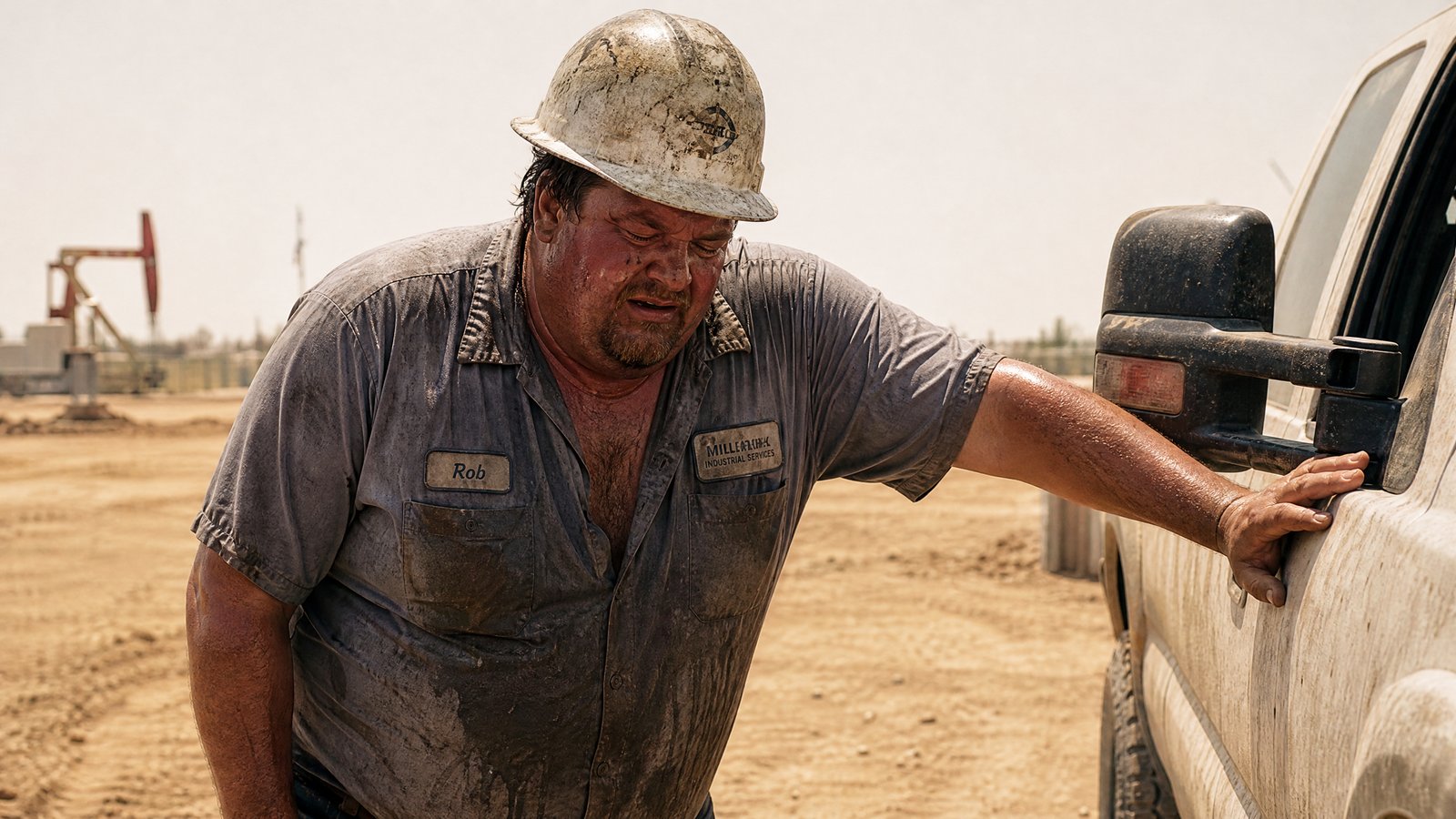
Both start the same way. A hot day, too much sun, not enough water, and a body that can't shed heat fast enough. For a while the two look almost identical, which is exactly why people get caught off guard. Someone shrugs off the dizziness, keeps working or keeps playing, and slides from a problem you can fix on the spot into one that damages the brain and kills. This is a guide to telling them apart while there's still time, and knowing what to do the moment you see the line get crossed.
What Heat Exhaustion Looks Like
Heat exhaustion is what happens when your body loses too much water and salt through heavy sweating. The cooling system is working hard, maybe too hard, but it's still working.
You'll see someone drenched in sweat, pale, and worn out. They feel dizzy or lightheaded, sometimes nauseated. Their pulse is fast. Their skin is cool and clammy to the touch even though they're overheated. They might have a headache or muscle cramps. Body temperature is up a little, but not dangerously so.
Here's the part that matters most: they are still with you. Ask them a question and they answer it. They know where they are and what's going on. They're miserable, but their mind is clear. That mental clarity is the sign you're dealing with heat exhaustion and not something worse. It buys you time, but not unlimited time. Left alone in the heat, heat exhaustion turns into heat stroke.
What Heat Stroke Looks Like
Heat stroke is the body losing the fight. The core temperature climbs past the point the body can manage on its own, and according to the CDC it can reach 106°F or higher within 10 to 15 minutes. At that temperature, the brain and organs start taking damage fast.

The skin may be hot and dry because the sweating mechanism has shut down. But don't lean on that alone. In cases brought on by hard physical exertion, the person can still be pouring sweat and be in full heat stroke. The reliable warning sign is what's happening in their head.
They stop making sense. They're confused, agitated, or unusually irritable. Speech slurs. They can't walk straight. Some have a pounding headache, some vomit, some have a seizure, some collapse and won't wake up. If someone in the heat is acting drunk, disoriented, or knocked out, treat it as heat stroke until proven otherwise. Mayo Clinic puts the emergency threshold at a core temperature of 104°F or higher paired with mental changes. You won't have a thermometer in most situations. You don't need one. The behavior tells you.
The One Difference That Matters Most
Forget trying to memorize two long symptom lists that overlap. In the moment, you need one question: can this person still think clearly?
If yes, it's heat exhaustion. Get them cool, get fluids in, watch them closely. If no, if they're confused, slurring, stumbling, or unconscious, it's heat stroke and it's a 911 call. Everything else, the sweating or lack of it, the exact temperature, the cramps, is secondary to that one read. Mental status is the line between something you handle and something that handles you.
That's why "wait and see" is so dangerous with heat. The window where clear thinking slips into confusion is the window where you had to act. Once the brain is affected, every minute of delay costs.
Heat Exhaustion Treatment: How to Cool Someone Down
If the person is still thinking clearly, you can treat heat exhaustion where you are. Move fast anyway, because the goal is to stop it from climbing.
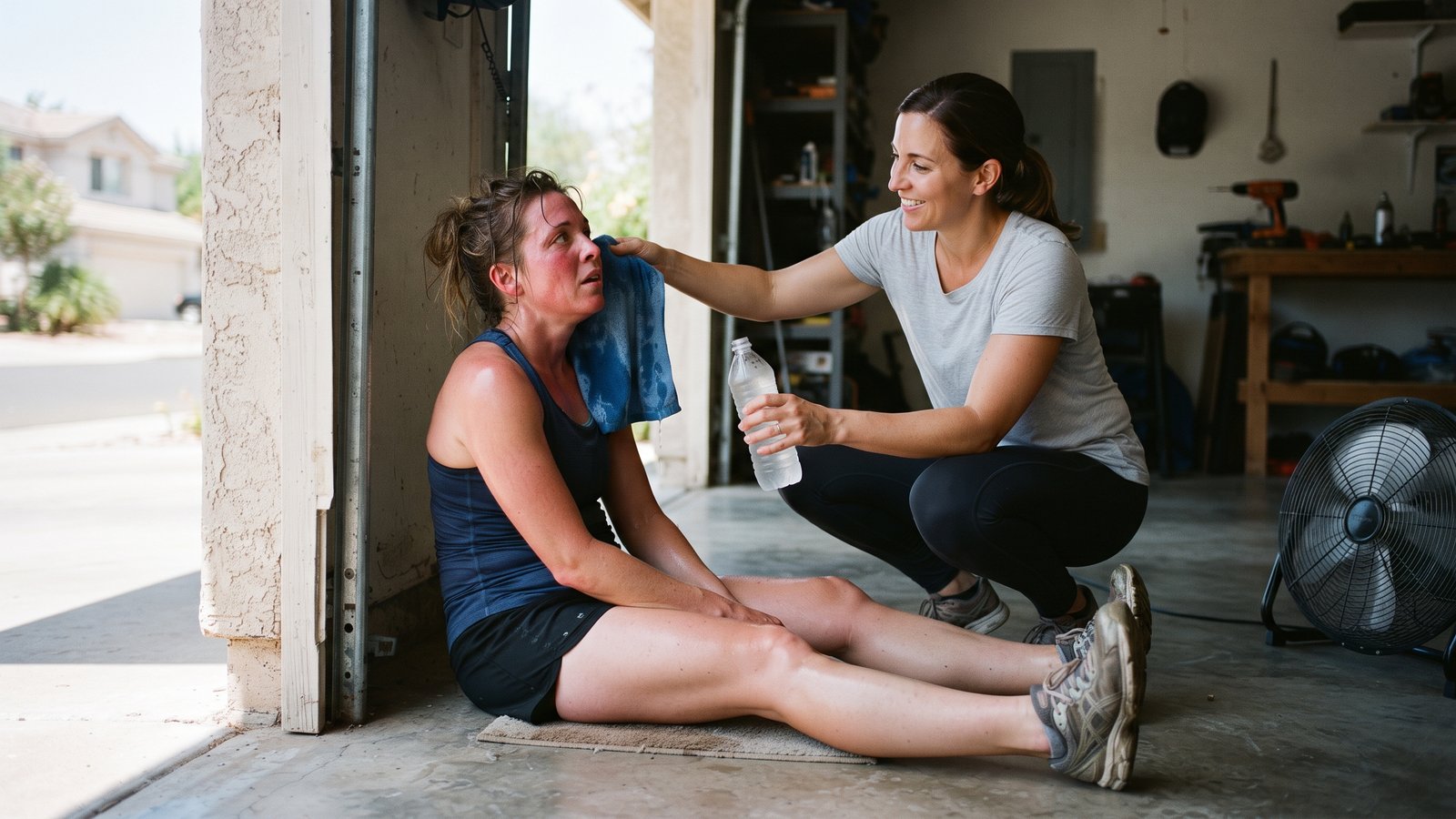
Get them out of the heat. Shade, air conditioning, a cooler building, anywhere but the sun. Have them sit or lie down. Loosen or remove heavy clothing. Cool the skin however you can: wet cloths, a fan, a cool shower, or ice packs at the neck, armpits, and groin where big blood vessels run close to the surface. Give them cool water or a sports drink in slow sips if they're alert enough to swallow safely, and skip anything with caffeine or alcohol. That same cool-water-first instinct is the right one for a burn too, and wrong for very few heat injuries.
Then watch. Most people start feeling better within thirty minutes to an hour of cooling and rehydrating. If they don't improve in that window, or if they start throwing up, get worse, or their thinking starts to slip, stop treating it as exhaustion. It's becoming heat stroke, and that means help is on the way and you're cooling hard.
Heat Stroke First Aid: What to Do in the First Minutes
Heat stroke is a race against the person's own body temperature. Cooling comes first, and it cannot wait for the ambulance to arrive. Follow these steps in order:
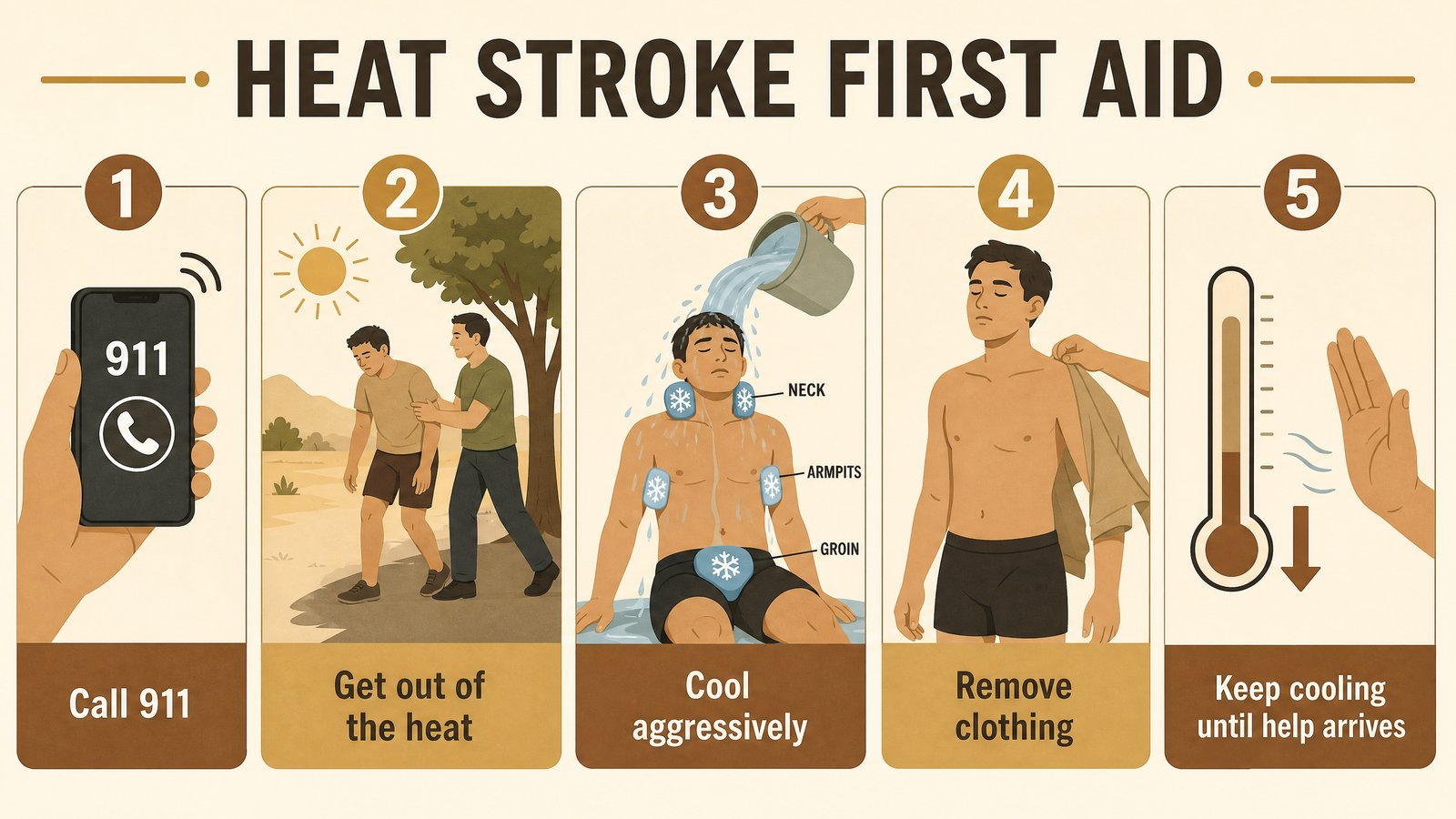
- Call 911 immediately. This is not a treat-at-home situation. Make the call, or tell a specific person to make it, before you do anything else.
- Get them out of the heat. Move them into shade or indoors, out of direct sun.
- Cool aggressively, right now. Do not wait. If you can get them into a tub or a body of cool water, do it. Otherwise soak them with a hose, drench them in cool wet towels, or pack ice against the neck, armpits, and groin. Fan them while the skin is wet.
- Strip off excess clothing so the heat can escape and the cooling can reach skin.
- Keep cooling until help takes over or they start acting normal again. Don't stop after a couple minutes. The whole job is dropping that core temperature.
Don't try to force fluids into someone who is confused or barely conscious. They can choke. Cooling is the priority, not drinking. If they're having a seizure, clear hard objects away from them and don't hold them down. This is the kind of emergency the first hour is built around, the same principle behind treating hypothermia in the field, just at the opposite end of the thermometer.
Who's Most at Risk and How to Prevent It
Heat doesn't hit everyone equally. Older adults, young kids, people with heart or lung conditions, and anyone on certain medications lose heat-regulating ability. Outdoor workers and athletes are exposed to exertional heat stroke, the fast-moving kind that strikes even fit, sweating people. Anyone who's been drinking, or who's stuck in a hot car, is in the danger zone.
Prevention is simple and boring, which is why people skip it. Drink water before you're thirsty, not after. Take breaks in shade or air conditioning. Wear light, loose clothing. Do the hard outdoor work in the early morning or evening, not at 2pm. Never leave a person or pet in a parked car, where the temperature spikes in minutes. And learn the mental-status tell cold, so that when a coworker or a kid on the field starts acting off, you catch it in the first minute instead of the tenth.
Knowing how to read a heat emergency is one skill. Having what you need to act on it is another. A stocked kit with instant cold packs, water, and the basics turns a scary roadside or trailhead moment into something you can manage. See what's packed into The 1stHour Trauma Kit, and check what belongs in a proper home first aid kit so you've got one where you spend your summers. The first hour is when it's decided. Be ready before you need it.
This content is for informational purposes only and does not constitute medical advice. Heat stroke is a life-threatening emergency, call 911. This is not a substitute for professional evaluation or hands-on first-aid training.


