Broken Rib First Aid: What to Do When Breathing Hurts
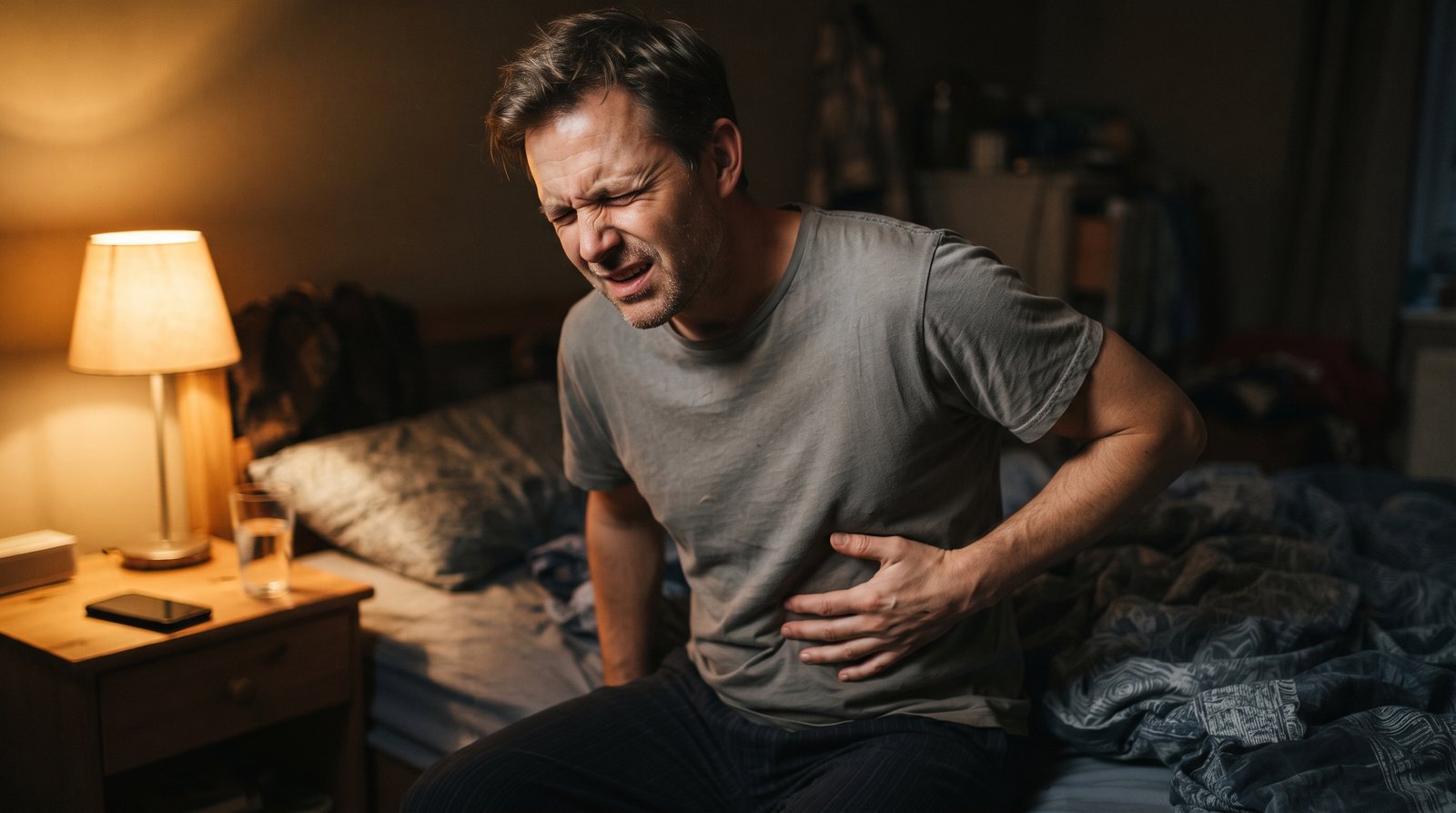
You took a hit, fell off a ladder, or got tackled a little too hard playing pickup basketball, and now every breath feels like someone's holding a knife to your ribs. Maybe you can't tell if it's actually broken or just deeply bruised. That's the situation broken rib first aid is built for. The distinction matters less in the first hour than you'd think, because the first-aid steps are almost identical either way. What matters is knowing which symptoms mean "handle it at home" and which mean "put down the ice pack and go."
How to Tell If You Have a Broken Rib (or Just a Bad Bruise)
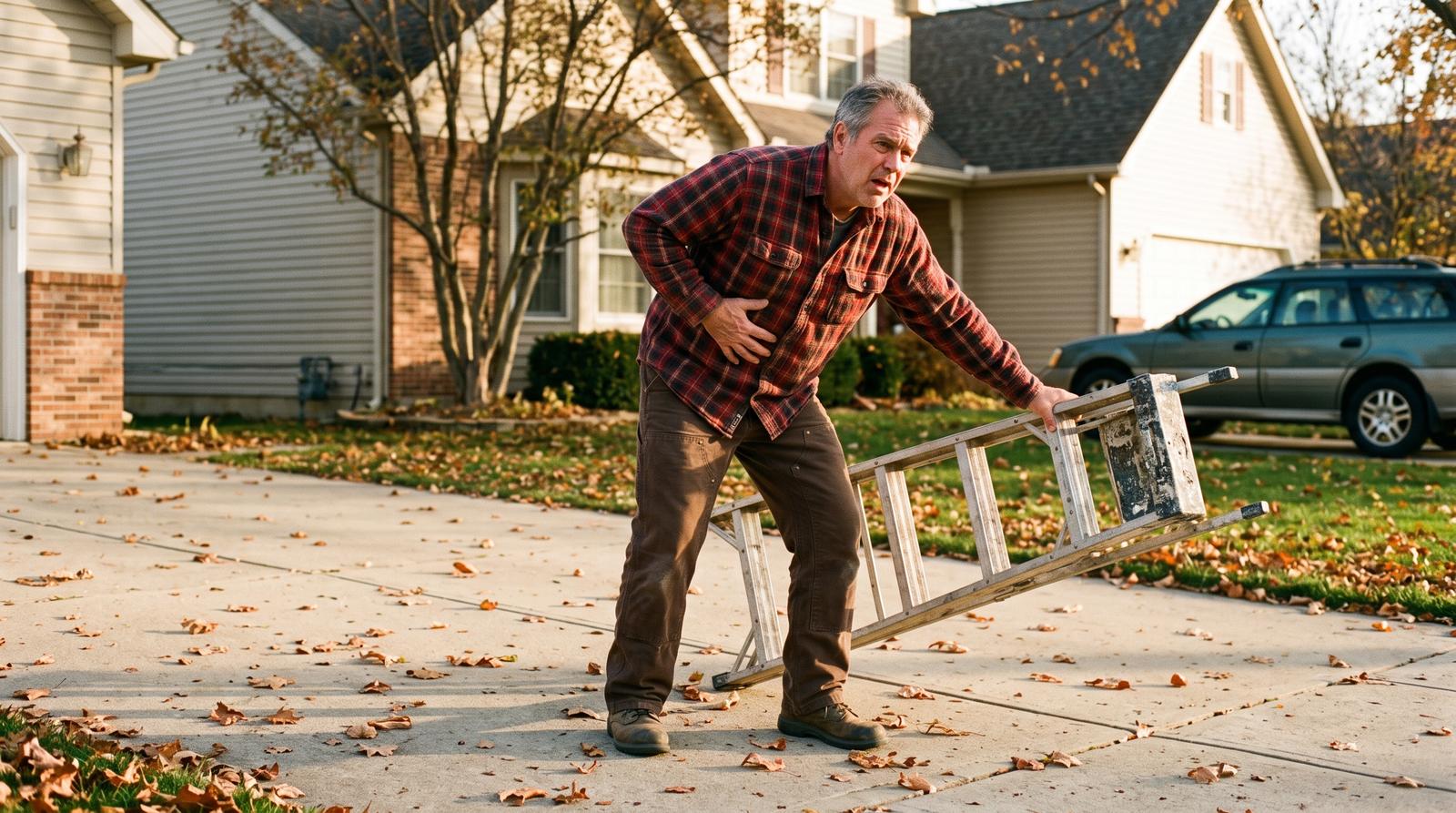
Ribs break most often from car accidents, falls, and direct blows during contact sports. Around 30% of people who take a serious hit to the chest end up with at least one broken rib, according to Cleveland Clinic. Older adults with weaker bones can crack a rib from something as ordinary as a hard fall or even a violent coughing fit.
The symptoms of a broken rib and a badly bruised one overlap almost completely:
- Sharp, localized pain that gets worse when you breathe in, cough, laugh, or twist your torso
- Tenderness when you press near the injury
- Bruising or swelling over the area, sometimes not showing up until hours later
- An instinct to breathe shallow because deep breaths hurt too much
You generally can't tell the difference between a crack and a bruise just by looking or pressing on it. An X-ray or CT scan settles it, and a hairline fracture sometimes won't even show up on a first X-ray. That's fine. The home-care steps are the same for both, so you don't have to solve that puzzle tonight unless your symptoms point toward something more serious, covered below.
What to Do in the First Hour
Stop whatever activity caused the injury. Sit or lie down in whatever position lets you breathe with the least pain, usually slightly upright rather than flat on your back.
Check your breathing first. Can you take a full, slow breath, even if it hurts? Are you getting normal amounts of air, or does it feel like you're fighting for it? That answer decides your next move more than the pain level does.
If breathing is manageable:
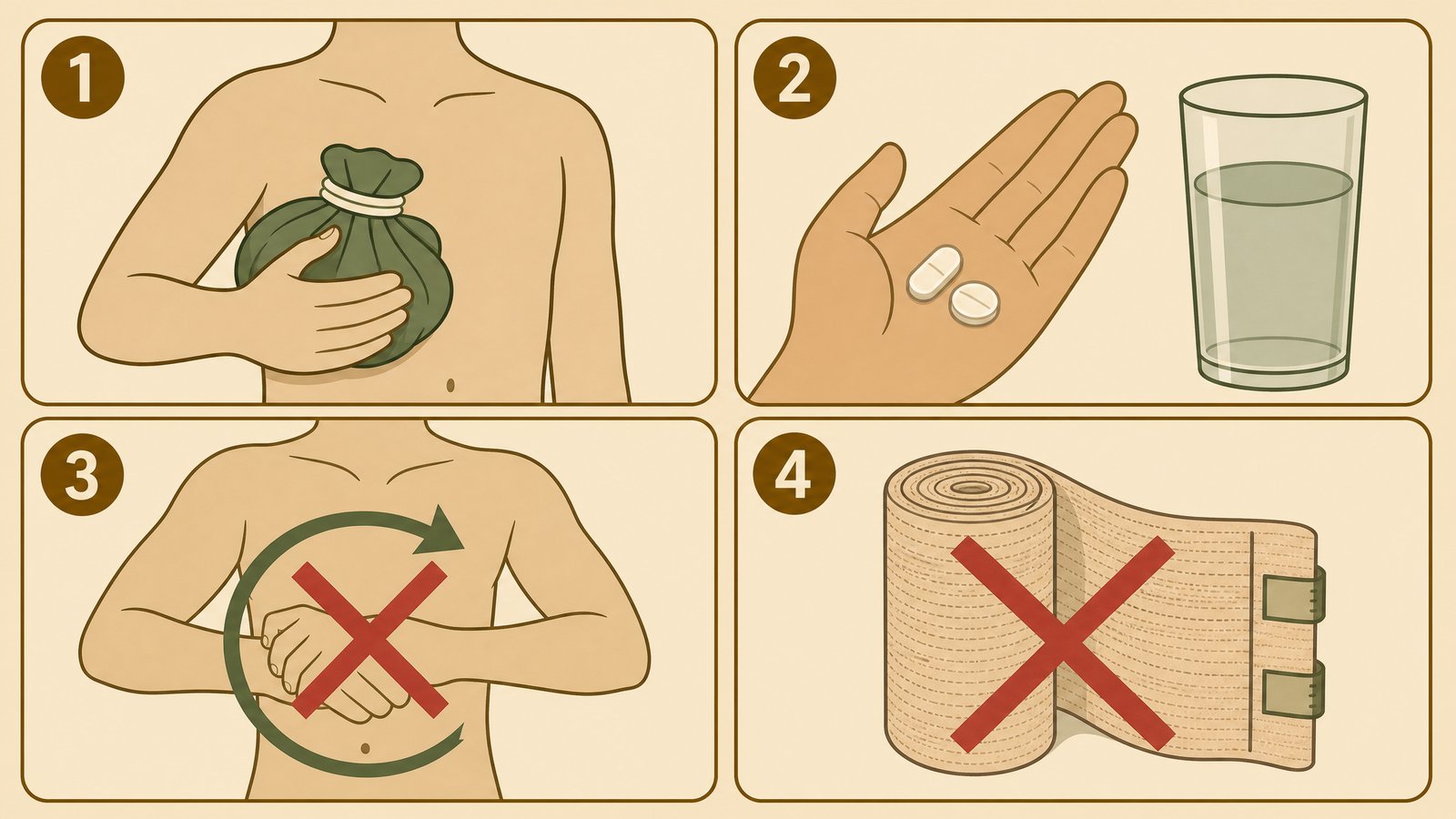
- Ice the area for 15 to 20 minutes, with a thin towel between the ice pack and your skin so you don't add a cold burn to the problem.
- Take an over-the-counter pain reliever like ibuprofen or acetaminophen, following the label dose. Getting ahead of the pain matters here, because pain that stops you from breathing deeply raises your risk of pneumonia.
- Avoid twisting, reaching overhead, or pressing on the area to "test" how bad it is. You already know it hurts. Poking it again doesn't add useful information.
- Skip the tight wrap. We'll get into why below.
If breathing is not manageable, skip straight to the red flags section and get medical attention.
Why Doctors Don't Wrap or Splint a Broken Rib
Every other broken bone in the body gets immobilized. A broken rib doesn't, and that trips people up because it feels backward. If you've read our guide on splinting a broken bone, you know the whole point of a splint is to stop the injured part from moving. Ribs move every time you breathe. Wrapping them tightly enough to actually stop that motion also stops you from breathing deeply, and shallow breathing is exactly what leads to pneumonia in rib fracture patients.
That old advice about wrapping an ACE bandage snugly around the chest is outdated for this reason. It might feel like it's "supporting" the injury, but it's working against your lungs at the same time your lungs need to be working hardest.
What actually helps instead is a technique sometimes called pillow splinting: hold a pillow or folded towel firmly against the injured ribs when you cough, sneeze, or take a deep breath. It cushions the impact of the movement without restricting your chest the rest of the time. Your ribs heal on their own, usually within about six weeks, according to Mayo Clinic. The job in the meantime is pain control and keeping your lungs working normally, not immobilization.
Red Flags That Mean You Need the ER Now
Most rib injuries heal at home with rest and time. A smaller number are hiding something more dangerous underneath, because ribs protect your lungs, heart, liver, and spleen. Go to the emergency room, don't wait it out, if you notice any of the following:
- Real trouble breathing, not just pain with breathing
- Blue or gray tint to your lips or fingertips
- Coughing up blood
- A section of your chest wall that seems to move in the opposite direction from the rest when you breathe (sucking in as the rest of your chest expands). This can signal flail chest, a serious injury where multiple ribs are broken in multiple places
- Pain that keeps intensifying instead of leveling off after the first day or two
- Signs of shock: pale, clammy skin, rapid heartbeat, dizziness, or confusion
- Any rib injury following a car accident, a fall from height, or a hard hit where you're unsure what else might be hurt
If you fell and you're also dealing with head symptoms, dizziness, or confusion, read our guide on what to do after a fall from height too. A rib injury rarely arrives completely alone after a serious fall, and it's worth ruling out the other things that fall could have caused. In general, the first hour after any serious trauma is when the decisions that matter most get made, so err toward caution rather than "let's see how it feels tomorrow."
Home Care While It Heals
Once you know it's safe to manage at home, the recovery plan is straightforward but easy to get wrong if you tough it out too hard.
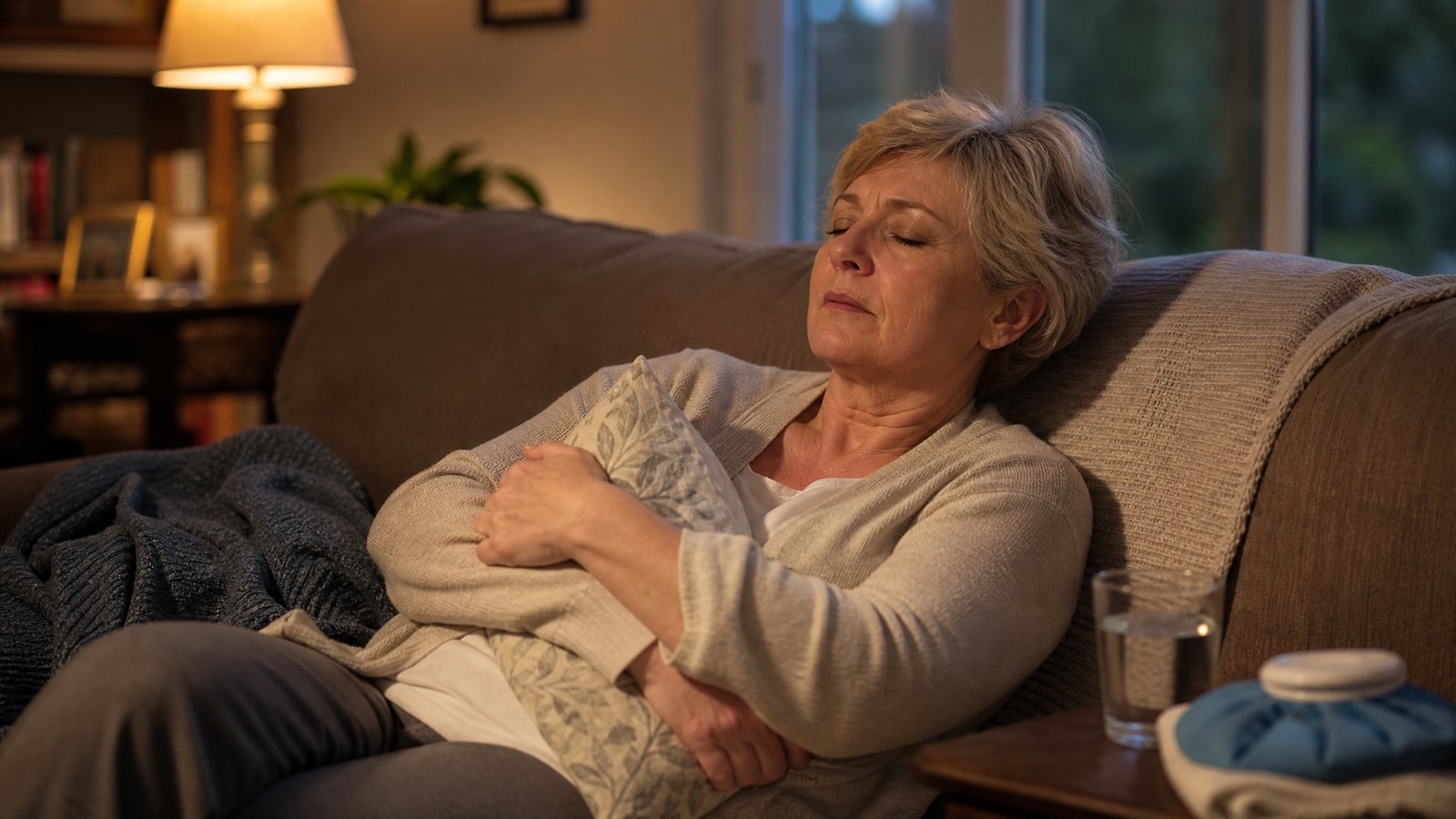
Keep icing the area for the first 48 hours, then switch to heat if that feels better for ongoing soreness. Stay on top of pain medication rather than waiting until the pain spikes; it's much harder to catch up once you're behind it. Practice deep breathing on purpose several times an hour, even though it's uncomfortable. Taking ten slow, full breaths every hour while you're awake keeps your lungs expanding fully and is one of the most effective things you can do to avoid pneumonia during recovery.
Sleep propped up on pillows rather than flat if lying down increases the pain. Avoid lifting, twisting, and any activity that reproduces the sharp pain, but don't go fully sedentary either. Gentle walking keeps your breathing normal and your circulation moving.
Most people are back to normal daily activity within a few weeks, with full healing closer to six weeks. If pain hasn't started improving at all after several days, or it's getting worse rather than better, that's worth a follow-up visit even without a new red flag.
When a Broken Rib Might Mean More Than the Rib
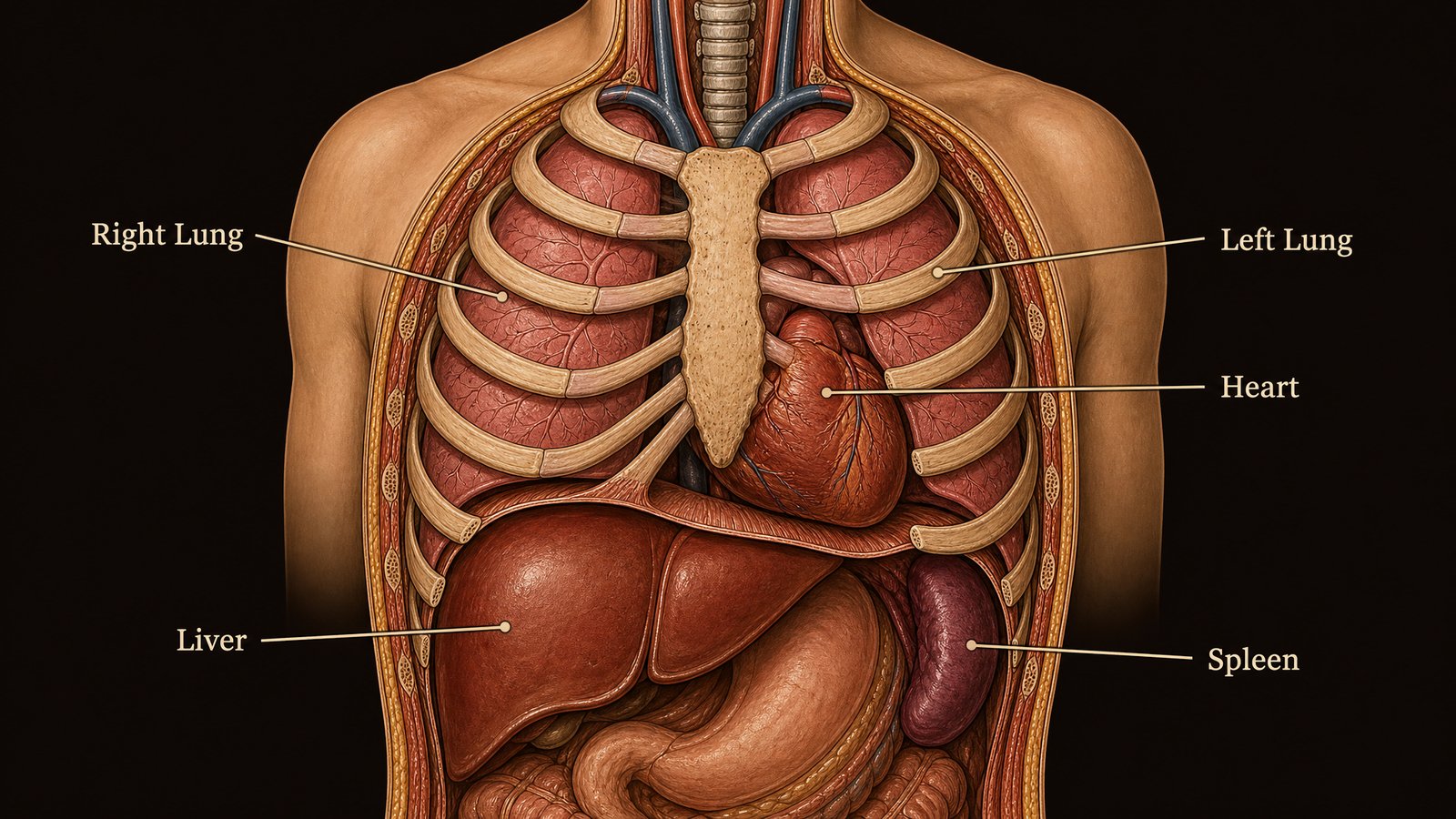
The reason rib injuries deserve more respect than a typical sprain is what sits behind them. Lower ribs sit close to the liver and spleen; upper ribs guard the lungs and major blood vessels near the heart. A hard enough impact to break a rib is sometimes hard enough to bruise or injure what's underneath it, and that damage doesn't always announce itself right away.
This is part of why falls are worth taking seriously in older adults specifically. A fall that a 30-year-old walks off can crack a rib in someone with lower bone density, and the combination of pain-limited breathing and any underlying lung or heart condition raises the stakes. If you're caring for an older parent or relative after a fall, don't assume "they're just sore." Watch their breathing rate and color over the next day, not just whether they say it hurts. If you're not sure whether an injury involves a real fracture at all, our guide on how to tell if a bone is broken covers the general warning signs worth knowing beyond ribs specifically.
Having the right supplies on hand matters just as much as knowing the steps. The 1stHour Trauma Kit is built for exactly this kind of moment, when you need to control pain, ice an injury properly, and keep watching for the signs that mean it's time to get real medical care. It's the kind of kit you want already in the car or the closet before the fall happens, not after.
This content is for informational purposes only and does not constitute medical advice. If you suspect a serious injury, seek care from a qualified medical professional or call 911.


