Botulism Symptoms From Home Canning: What to Watch For
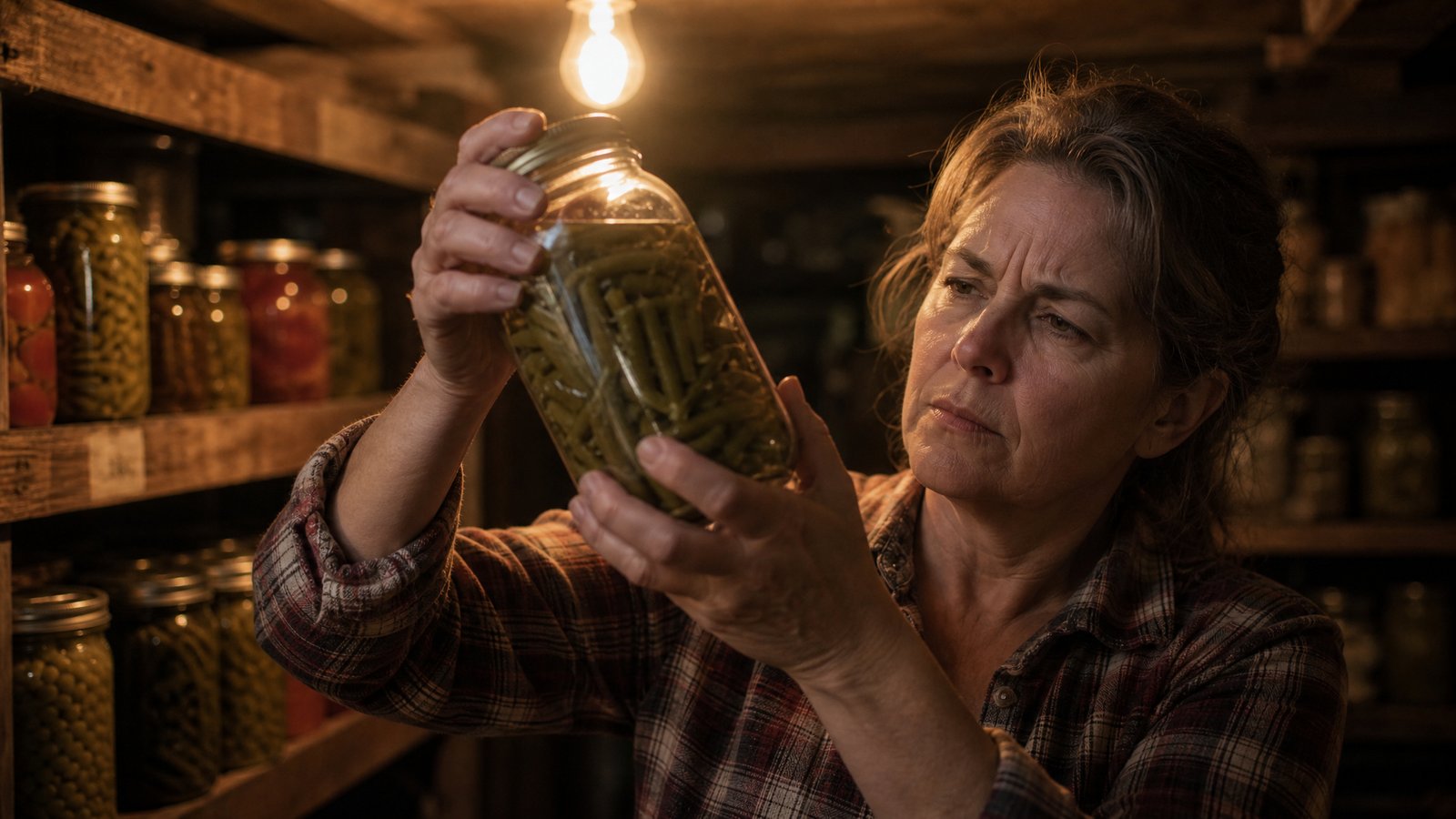
You did everything the recipe said. The jars sealed with that satisfying pop, they've been sitting in the pantry looking fine, and now someone in your house has blurry vision and a strange heaviness in their face a day or so after dinner. Most people reach for "food poisoning" first, because that's the label that fits a bad meal. Botulism doesn't look like ordinary food poisoning, and that gap between what people expect and what actually shows up is exactly why it gets missed. Here's the timeline, the specific symptoms, and the canning practices that create the risk in the first place.
How Long After Eating Does Botulism Take to Start
Foodborne botulism typically starts 12 to 36 hours after eating contaminated food, according to Mayo Clinic. That's the usual window, but it isn't fixed. Depending on how much toxin was in the food, symptoms can show up within a few hours or take up to two weeks to appear.
That delay matters. A day-old jar of green beans is easy to forget about by the time someone starts feeling strange. Nobody's thinking "was it something I ate yesterday" when the symptom is double vision instead of a stomachache. The lag between the meal and the first sign is part of what makes this one so easy to miss until it's already progressing.
The Early Botulism Symptoms That Don't Look Like Food Poisoning
Here's the part that trips people up: botulism usually doesn't start in the stomach. The classic early symptoms are a dry mouth, blurred or double vision, and drooping eyelids. Trouble swallowing or a change in someone's voice often shows up around the same time.

Nausea, vomiting, and stomach cramps can happen too, but they're not the headline symptom, and sometimes they don't happen at all. If you're mentally checking a "food poisoning" box and waiting for stomach symptoms to confirm it, you can lose hours waiting for something that was never coming.
Watch for these together, not in isolation:
- Dry mouth or trouble swallowing
- Blurred or double vision
- Drooping eyelids on one or both sides
- Slurred speech or a change in how someone's voice sounds
- Weakness that seems to be spreading, especially in the face
One of these alone could be a dozen things. Two or three together, especially after eating home-canned food, is not a coincidence to sit with.
Botulism Symptoms vs. a Stroke: The Difference That Matters
Double vision. Drooping eyelids. Slurred speech. If that list sounds familiar, that's because those are also stroke symptoms, and the overlap runs both directions. Someone can mistake botulism for a stroke, or mistake early stroke signs for "must be something I ate."
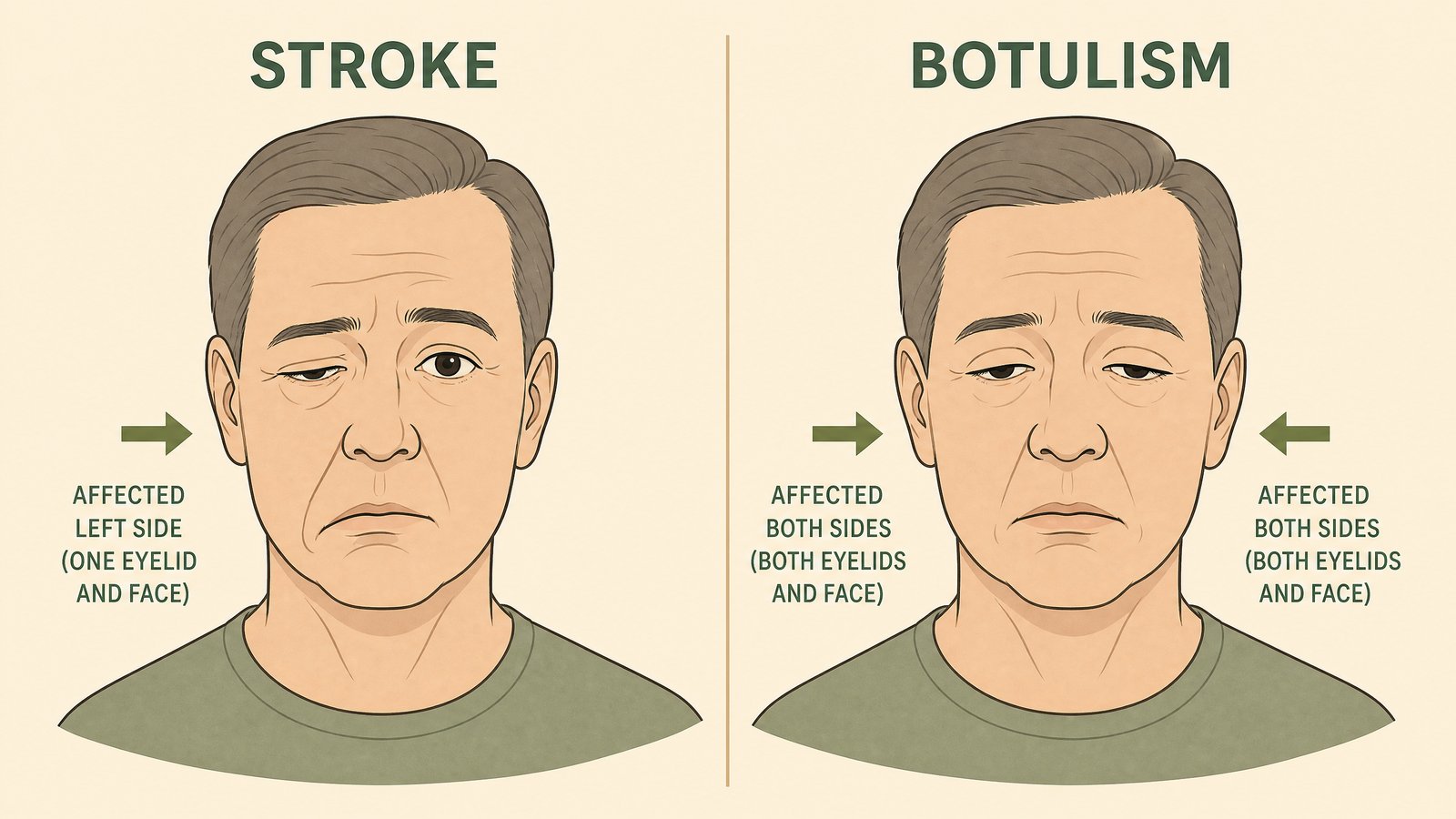
The detail that separates them is symmetry. A stroke almost always shows up on one side of the body: one drooping eyelid, one weak arm, a smile that pulls to one side. Botulism moves symmetrically. Both eyelids droop. Both sides of the face weaken. If you already know how to recognize a stroke, that one-sided pattern is your anchor: botulism breaks that pattern by hitting both sides at roughly the same pace.
You don't have to nail the diagnosis in the moment. Either way, this is a 911 call. But knowing the symmetry difference helps you describe what you're seeing accurately to a dispatcher, which speeds up what happens next.
Why This Is a 911 Call, Not a Wait-and-See
Botulism toxin blocks the nerve signals that tell your muscles to move. Left untreated, the weakness moves downward through the body, starting in the face and throat, working toward the arms, then the legs, then the muscles that control breathing. That last part is why this is never a "monitor it overnight" situation.

There's no home treatment. Antitoxin exists, and it works best the earlier it's given, before the weakness has spread too far. Every hour spent assuming it's a stomach bug is an hour the toxin keeps moving. If someone has these symptoms after eating home-canned food, call 911 or get to an emergency room immediately, and bring the food or the jar with you if you can do it safely. It helps doctors identify the toxin faster and warn anyone else who ate from the same batch. For any other kind of suspected poisoning, the first response steps look a little different: botulism specifically means going straight to emergency care rather than calling Poison Control first.
The Home Canning Mistakes That Cause Botulism
Clostridium botulinum, the bacterium behind this, produces spores that survive boiling water. That's the core problem: a water-bath canner tops out around 212°F, and that's simply not hot enough to kill the spores in low-acid food.
Low-acid foods are the ones that need a pressure canner, not a boiling-water bath. That includes most vegetables (green beans, corn, potatoes, carrots), meats, poultry, and seafood. High-acid foods (most fruits, pickles, jams, anything with enough added vinegar or citric acid) can be safely water-bath canned because that acidity is what stops the spores from growing and producing toxin in the first place.
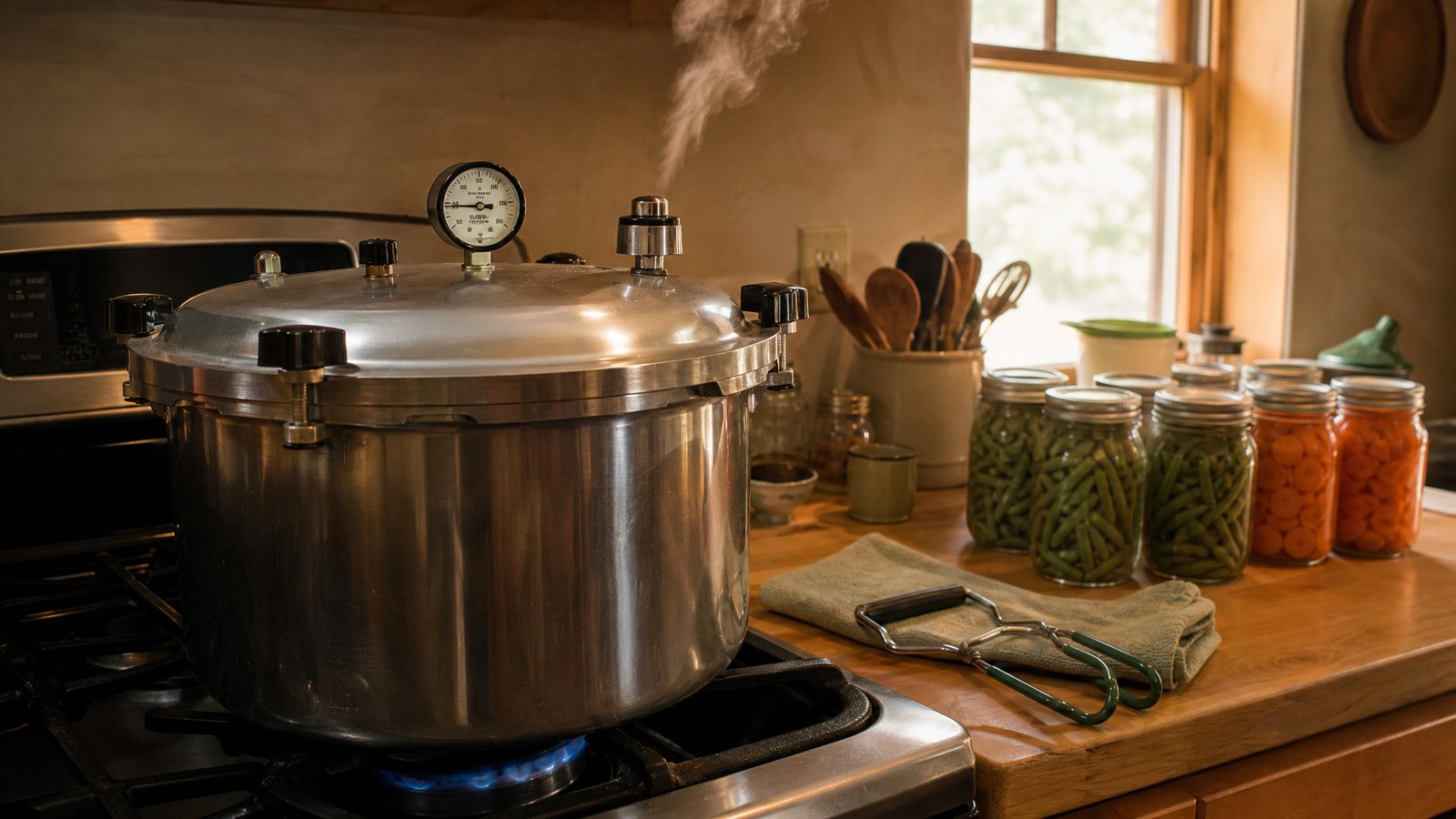
The National Center for Home Food Preservation is blunt about it: pressure canning is the only method recommended for low-acid foods, because it's the only home method that reaches the temperature needed to destroy the spores. Skipping the pressure canner, using one that's out of calibration, or processing for less time than a tested recipe calls for are the most common ways home-canned low-acid food ends up unsafe. Altitude changes the required time and pressure too, so a recipe written for sea level isn't automatically safe at 5,000 feet without adjustment.
This isn't a rare, freak-accident scenario. In CDC's most recent national botulism surveillance data, roughly a third of confirmed foodborne cases were linked to home-canned or home-prepared foods, including beans, potatoes, and home-canned meat. If you can low-acid vegetables at home, a pressure canner isn't an upgrade. It's the part of the process that actually makes the food safe.
Signs a Jar Might Be Contaminated (and What Never to Do)
Before you open a jar of home-canned low-acid food, look at it. A bulging or dented lid, a lid that's popped up rather than sealed flat, cloudy liquid that should be clear, or liquid that spurts out when you open it are all reasons to stop. So is a smell that's off in any way once you do open it.
Here's the part that's genuinely uncomfortable to hear: the toxin itself is odorless and tasteless. A jar can look and smell completely normal and still be dangerous. That's why the standing rule in every reputable food-safety guide is the same: never taste a jar to check if it's safe, not even a small amount, not even "just to smell it up close." If a jar shows any of the warning signs above, or if you're not confident it was processed correctly, the safest move is to throw it away without opening it, or dispose of it according to your local extension office's guidance for suspect low-acid canned food. When in doubt, it goes in the trash, not the taste test.
What to Keep in the Kitchen for the Emergencies You Can't Predict
Most kitchen emergencies aren't botulism. They're burns, cuts, and the small stuff that happens faster than you'd think during a normal week of cooking and canning season. Having a real first aid kit within reach, one built for the kind of things that actually happen in a kitchen, means you're not digging through a junk drawer for a bandage while something's still bleeding.
Botulism from a jar you canned yourself is rare, but it's serious enough to know the signs cold. The same goes for the burns, cuts, and everyday kitchen mishaps that are a lot more common. See what's inside The 1stHour Trauma Kit, gear and guidance built for the first hour of whatever happens next.
This content is for informational purposes only and does not constitute medical advice. If you suspect botulism or any medical emergency, call 911 or seek immediate medical attention.


