Snake Bite First Aid: What to Do (and What NOT to Do) in the First 60 Minutes
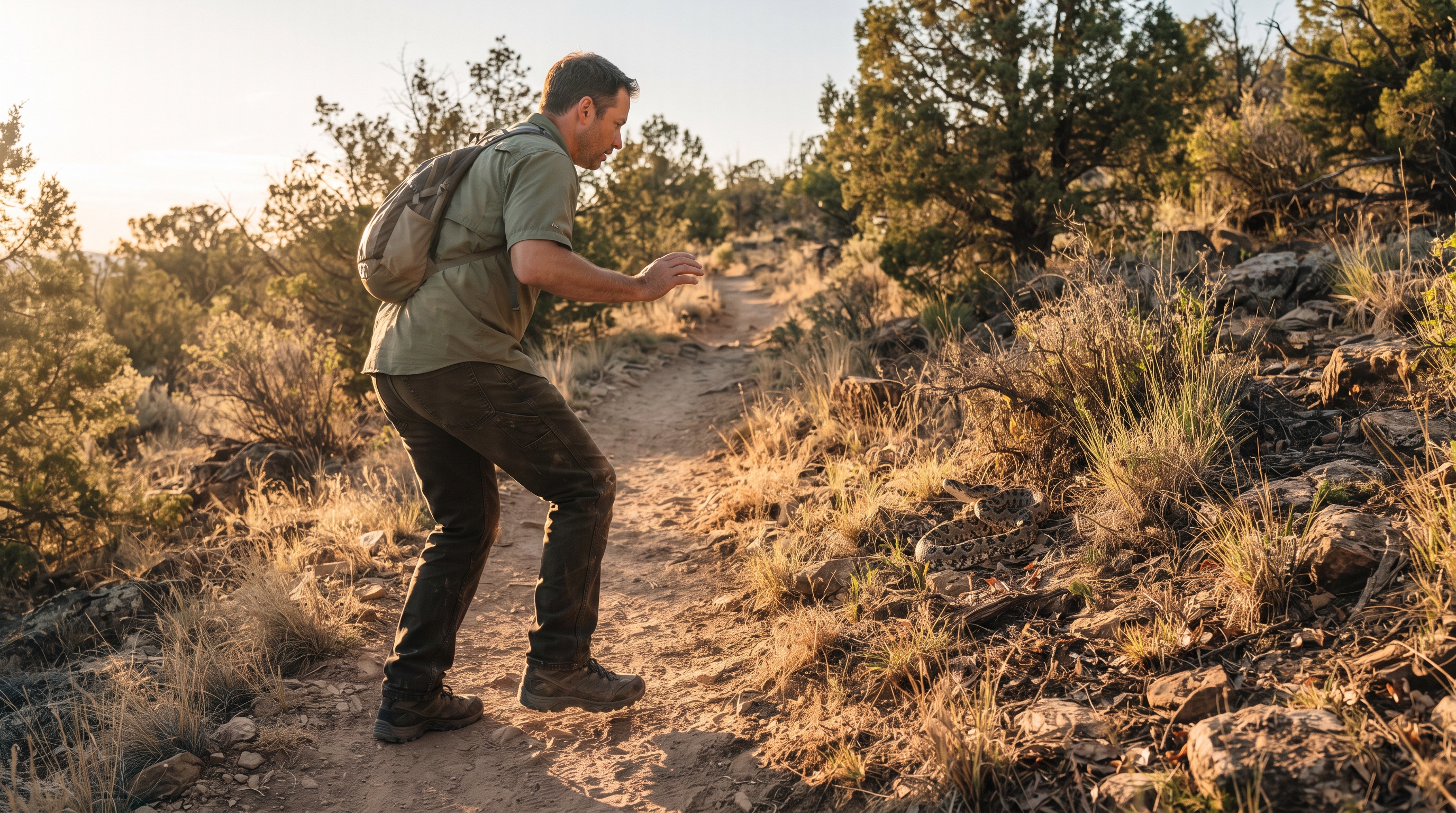
Good snake bite first aid comes down to a short list of actions, and knowing them before you need them matters more than anything you'll do in the moment. Roughly 7,000 to 8,000 people get bitten by venomous snakes in the US every year, mostly while hiking, gardening, or just reaching into brush without looking first. Most bites are survivable with prompt treatment. What changes the outcome isn't luck. It's what happens in the first hour, before antivenom is anywhere near you. A lot of what people think they know is either outdated or flat wrong, and some of it dates back to old Westerns where someone cuts an X into the wound and sucks the poison out. That never worked. Here's what actually does.
The First 5 Things to Do After a Snake Bite
Get away from the snake first. Most bites happen because someone steps too close or reaches somewhere they shouldn't, and a second bite from the same animal is a real risk if you're still standing next to it. Back off at least 20 feet and don't waste time trying to identify, catch, or kill it.
Call 911 immediately, even if the person seems fine. Venom effects can take time to show up, and dispatchers can start coordinating antivenom availability at the nearest hospital before you even arrive.
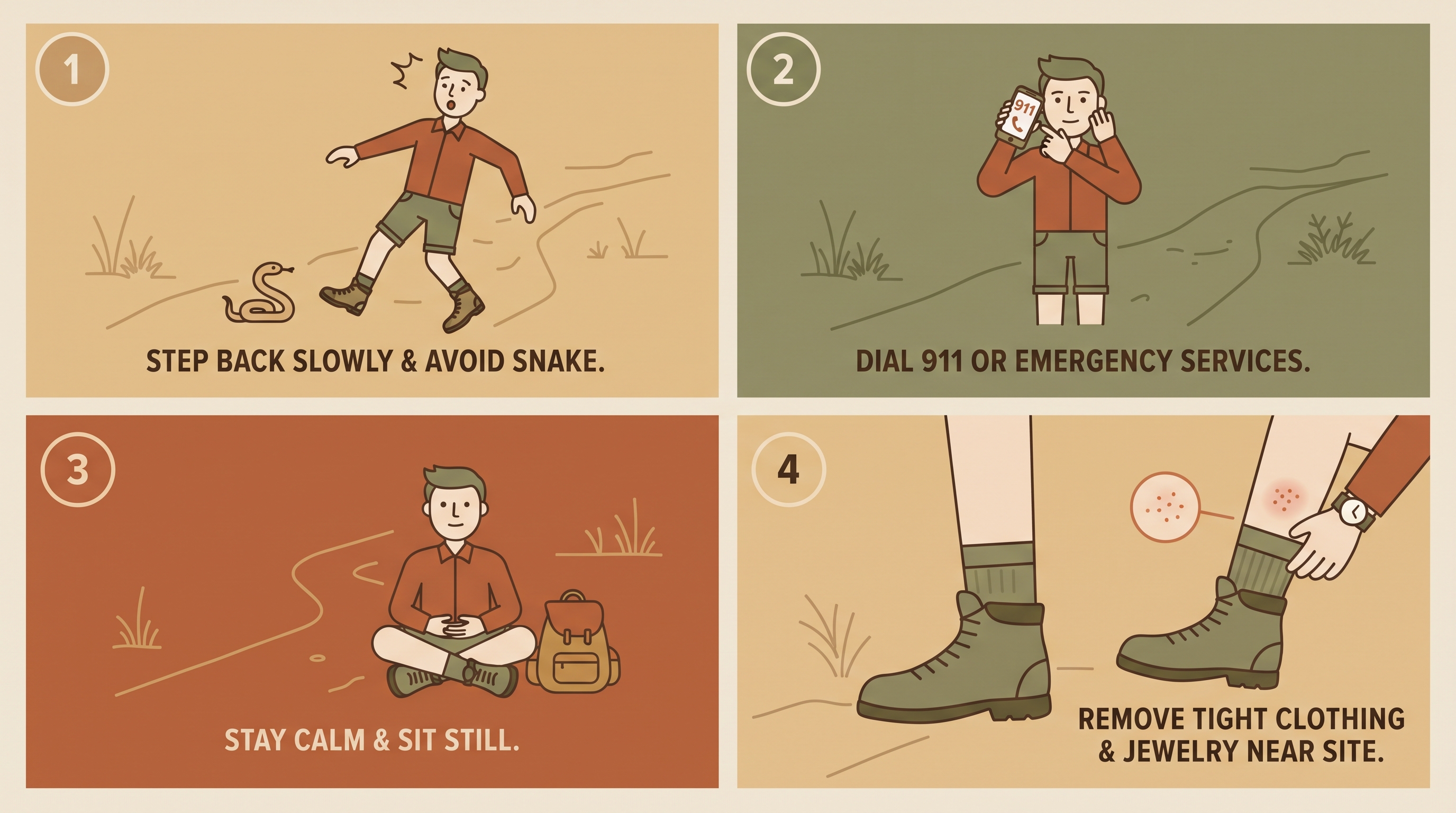
Keep the person still and calm. Movement speeds up how fast venom spreads through the lymphatic system. Sitting or lying down, not walking, is the move, even if it means waiting for help to come to you.
Position the bitten limb at or slightly below heart level. This isn't about elevating it like you would a sprained ankle. The goal is neutral positioning, not up, not hanging down either.
Remove jewelry, watches, and anything tight near the bite before swelling starts. Rings especially. Swelling can progress fast enough that a ring becomes a real problem within the hour, and cutting it off later is harder than it sounds.
What NOT to Do: The Snake Bite Myths That Still Get Repeated
A surprising number of people still believe these work. None of them do, and a few actively cause harm, according to American Red Cross first aid guidance.
Don't cut the bite. Cutting doesn't release venom, it just adds a wound on top of a wound and increases infection risk and blood loss.
Don't try to suck out the venom, by mouth or with a suction device. Studies have shown these devices remove a negligible amount of venom, if any, and mouth suction introduces bacteria into an already compromised area.
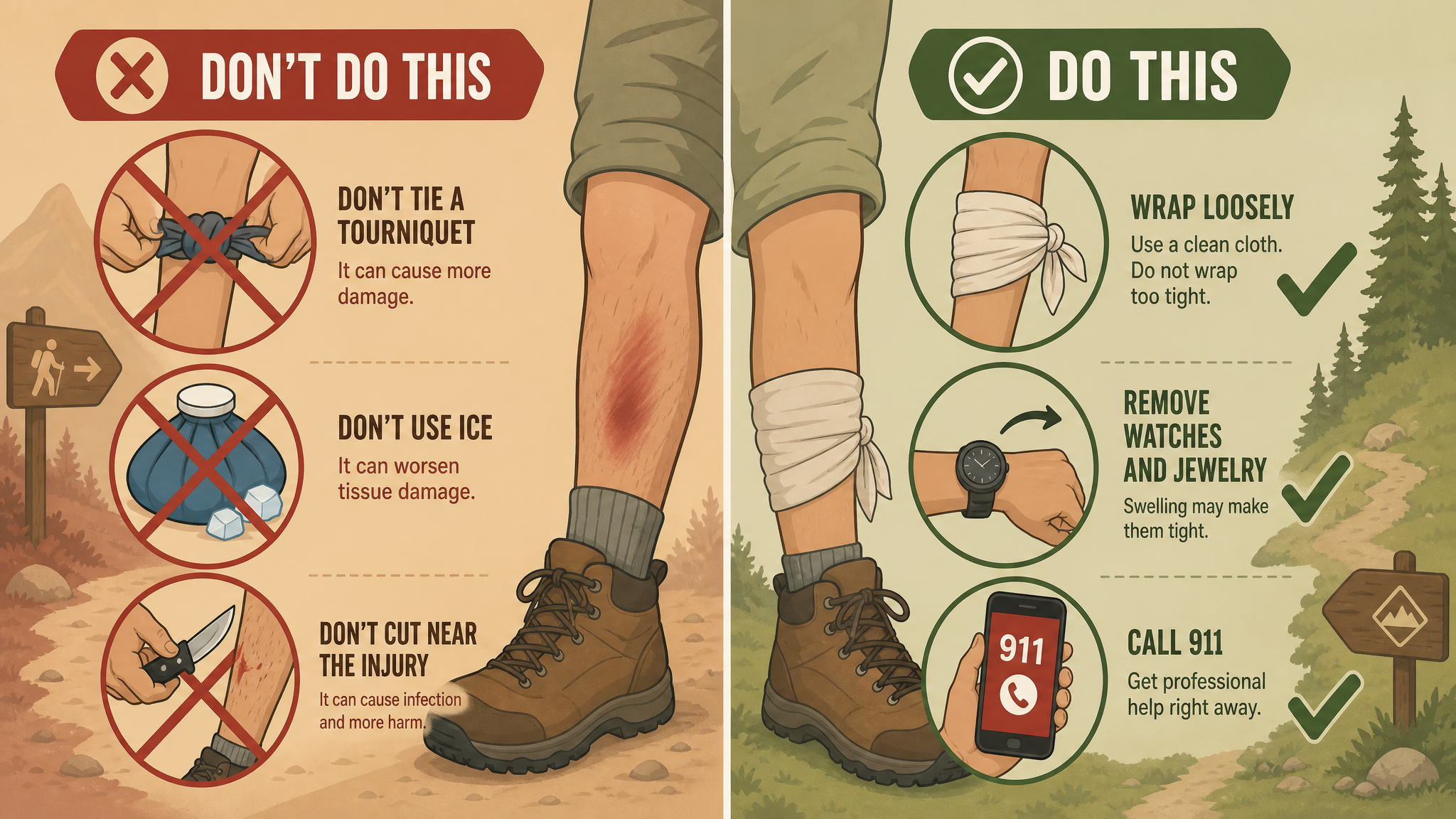
Don't apply ice. Cold constricts blood vessels near the bite and can worsen local tissue damage.
Don't use a tourniquet. This is the one people get most wrong, because a tourniquet works for arterial bleeding and feels like the "serious emergency" response. For snake bites, it's the opposite of helpful. Trapping venom in one concentrated area rather than letting it diffuse can increase local tissue destruction at the bite site.
Skip the alcohol and caffeine. Both can raise heart rate and speed circulation, which is exactly what you don't want.
Avoid aspirin, ibuprofen, or naproxen for pain. These are blood thinners, and snake venom can already affect clotting. Acetaminophen (Tylenol) is the safer option if pain relief is needed before you reach a hospital.
How to Tell If It Was a Venomous Bite
You won't always know right away, and that's fine. Treat every snake bite as potentially venomous until a medical provider says otherwise.
Watch for these signs developing over the following hour: swelling and discoloration spreading outward from the bite, intense pain that's disproportionate to what a scratch would cause, tingling or numbness, nausea, and in more serious cases, difficulty breathing or a drop in blood pressure. Two clean puncture marks are the classic sign of a pit viper bite (rattlesnakes, copperheads, cottonmouths), but the marks aren't always obvious, especially on hairy skin or in low light.
If you can safely get a photo of the snake from a distance without approaching it, that photo can help hospital staff identify the species and choose the right antivenom faster. Don't go looking for the snake to get this shot. A blurry photo taken from ten feet away beats a clear one taken from two feet away.
Marking the leading edge of swelling with a pen and noting the time next to it gives medical staff something concrete to track progression against once you arrive. It takes ten seconds and it's genuinely useful information.
Most venomous bites in the US come from pit vipers, rattlesnakes, copperheads, and cottonmouths (water moccasins), which share the two-fang puncture pattern and tend to cause localized swelling and pain fairly quickly. Coral snakes are the exception. Their venom is neurotoxic rather than tissue-damaging, so early symptoms can be subtle, sometimes just numbness or slurred speech hours later, which makes "wait and see if it hurts" a bad strategy with any snake you can't positively identify as harmless. When in doubt, treat it as venomous and get moving toward care.
Why the First Hour Determines the Outcome
Antivenom works best when it's administered within 4 to 6 hours of the bite. Outcomes get measurably worse the longer that window stretches, and documented fatalities climb sharply past the six-hour mark. That's the entire logic behind the golden hour in trauma care: the actions taken immediately after an injury, not the injury itself, often determine how it ends.
This is also why driving yourself to the hospital is a bad idea, even if you feel capable right now. Venom can cause dizziness, vomiting, or a sudden drop in blood pressure with little warning, and a driver losing consciousness behind the wheel turns one emergency into two. Call 911 or have someone else drive. If you're in a remote area without cell service, that changes the calculus, and getting to a location with a signal or a road becomes the priority, ideally while carrying, not walking, the injured person if speed on foot is limited.
Hospitals stock antivenom based on regional snake populations, so calling ahead, or having 911 dispatch do it, gives the ER time to pull the right vials before you walk through the door. That coordination alone can shave real minutes off the time between arrival and treatment, and minutes are the entire point of this article.
Snake Bite First Aid for Kids and Pets
Kids process venom faster relative to their body size, so a bite that would be moderate in an adult can escalate quicker in a child. The first-aid steps are the same, stillness, positioning, 911, no home remedies, but move faster to get professional help involved, and don't wait to see if symptoms develop before calling.
Dogs are also common victims, usually bitten on the face or front legs while investigating brush. The core rules still apply: keep the animal calm and as still as you can manage, avoid ice or home remedies, and get to an emergency vet immediately. Veterinary antivenom exists and works on the same urgency timeline as human treatment.
Building a Snake Bite Response Into Your Outdoor Kit
None of this requires special gear to execute. It requires knowing the steps before you need them, because nobody thinks clearly in the first sixty seconds after a bite. What helps is having a way to manage the wound cleanly while you wait for help: something to clean the site, cover it without constricting it, and keep the person stable and warm if the wait runs long.
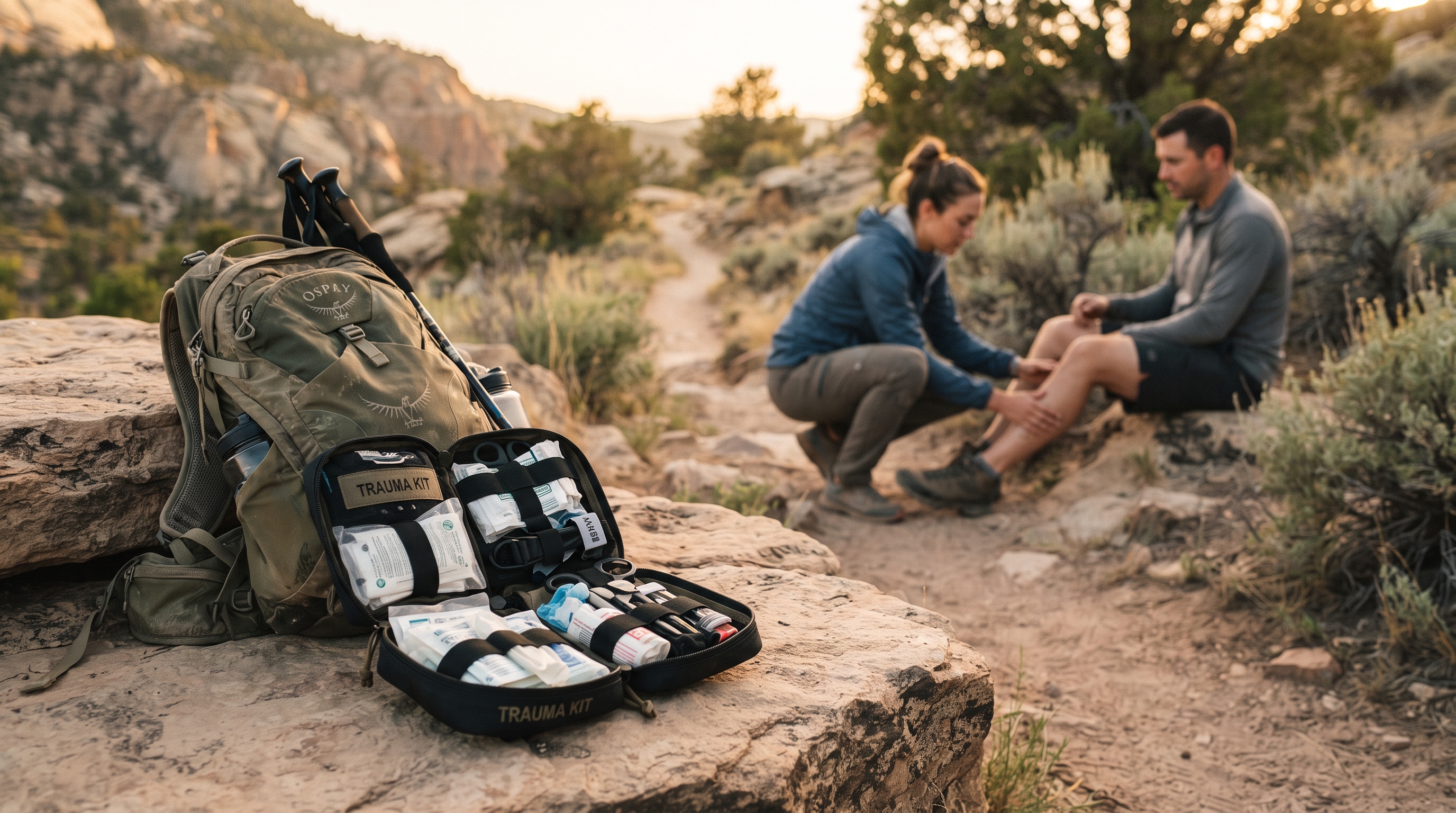
That's the same logic behind carrying a real trauma kit rather than a first-aid box built for scraped knees. The 1stHour Trauma Kit is built around the moments before help arrives, whether that's a snake bite on a remote trail or an injury that has nothing to do with wildlife at all. If you're already thinking about what to do when you're lost in the backcountry or how to treat a puncture wound before help shows up, this is the same mindset applied to one more risk worth planning for.
This content is for informational purposes only and does not constitute medical advice. If you or someone with you is bitten by a snake, call 911 or seek emergency medical care immediately.


