Early Warning Signs of a Heart Attack: What to Watch For Before It's Too Late
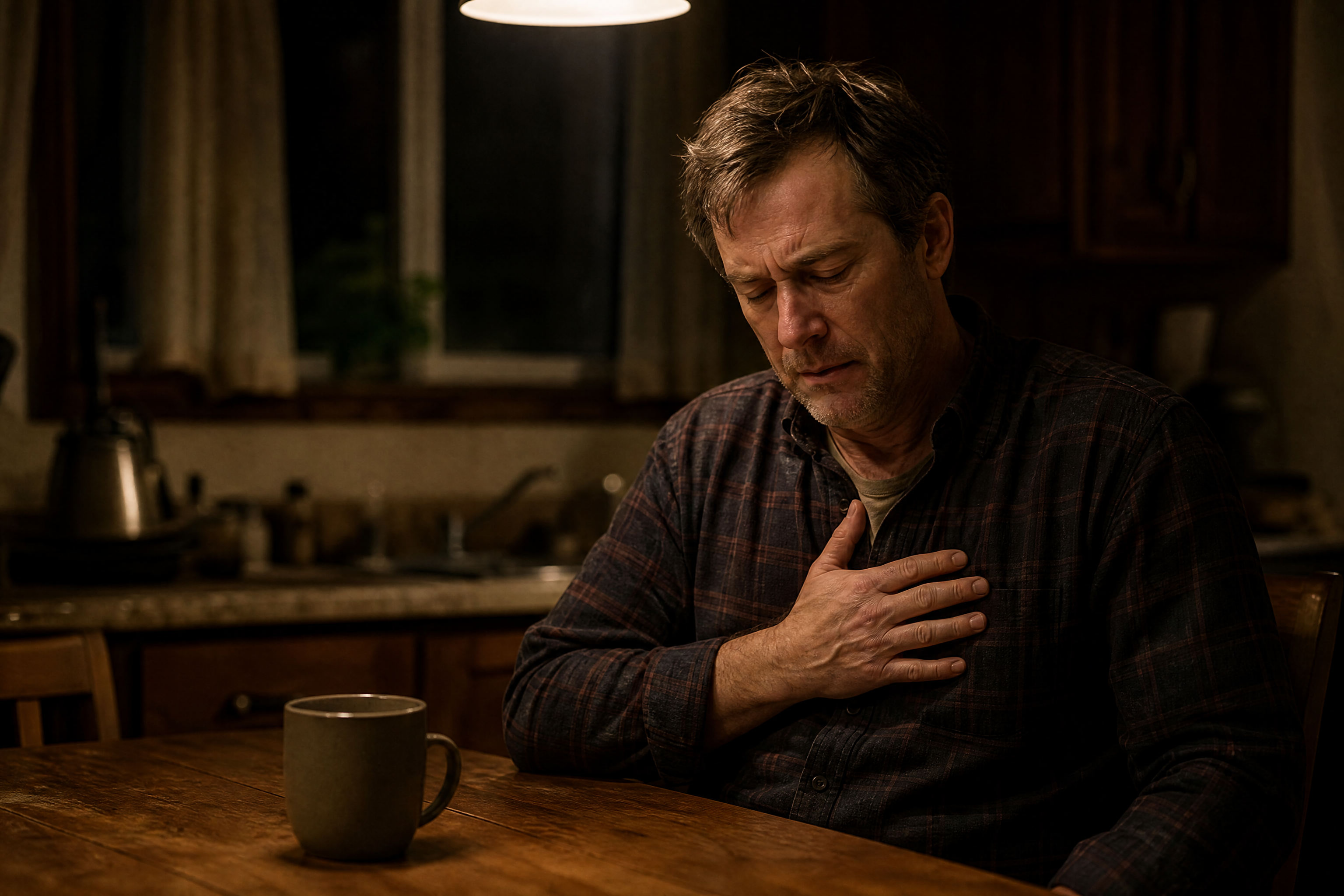
Most people picture a heart attack as a sudden, dramatic collapse. The truth is quieter and more dangerous than that. Symptoms often build slowly, get dismissed as indigestion or anxiety, and by the time someone calls for help, critical minutes have already been lost. This post covers what the early warning signs actually look like, why they show up differently in men and women, what can happen in the days before a heart attack, and what to do in those first ten minutes when it matters most.
What Are the Early Warning Signs of a Heart Attack?
The classic image — a man clutching his chest and falling — captures one version. But heart attack symptoms are often subtle, incomplete, and easy to explain away.
Here's what to actually watch for:
Chest discomfort. Not always sharp pain. It can feel like pressure, squeezing, fullness, or a dull ache in the center of the chest. It may come and go. Many people describe it as "an elephant sitting on my chest."
Pain that spreads. Discomfort can radiate to the left arm, right arm, jaw, neck, back, or upper stomach. If you feel chest pressure alongside arm or jaw pain, don't wait to see if it passes.
Shortness of breath. This can happen with or without chest discomfort. If someone suddenly can't catch their breath during rest or light activity, that's a flag worth taking seriously.
Nausea or vomiting. Often written off as a stomach bug or acid reflux. In the context of other symptoms, it's not.
Cold sweats and lightheadedness. A sudden cold sweat — especially if it hits without exertion — combined with dizziness or a sense that something is wrong is a recognized warning sign.
Unusual fatigue. Not tired-after-a-long-day fatigue. This is bone-deep exhaustion that feels out of proportion to what someone has done. It can come on suddenly.
What does a heart attack feel like? The honest answer: it depends. Which is exactly why people miss it.
Heart Attack Symptoms in Women vs. Men: What's Different
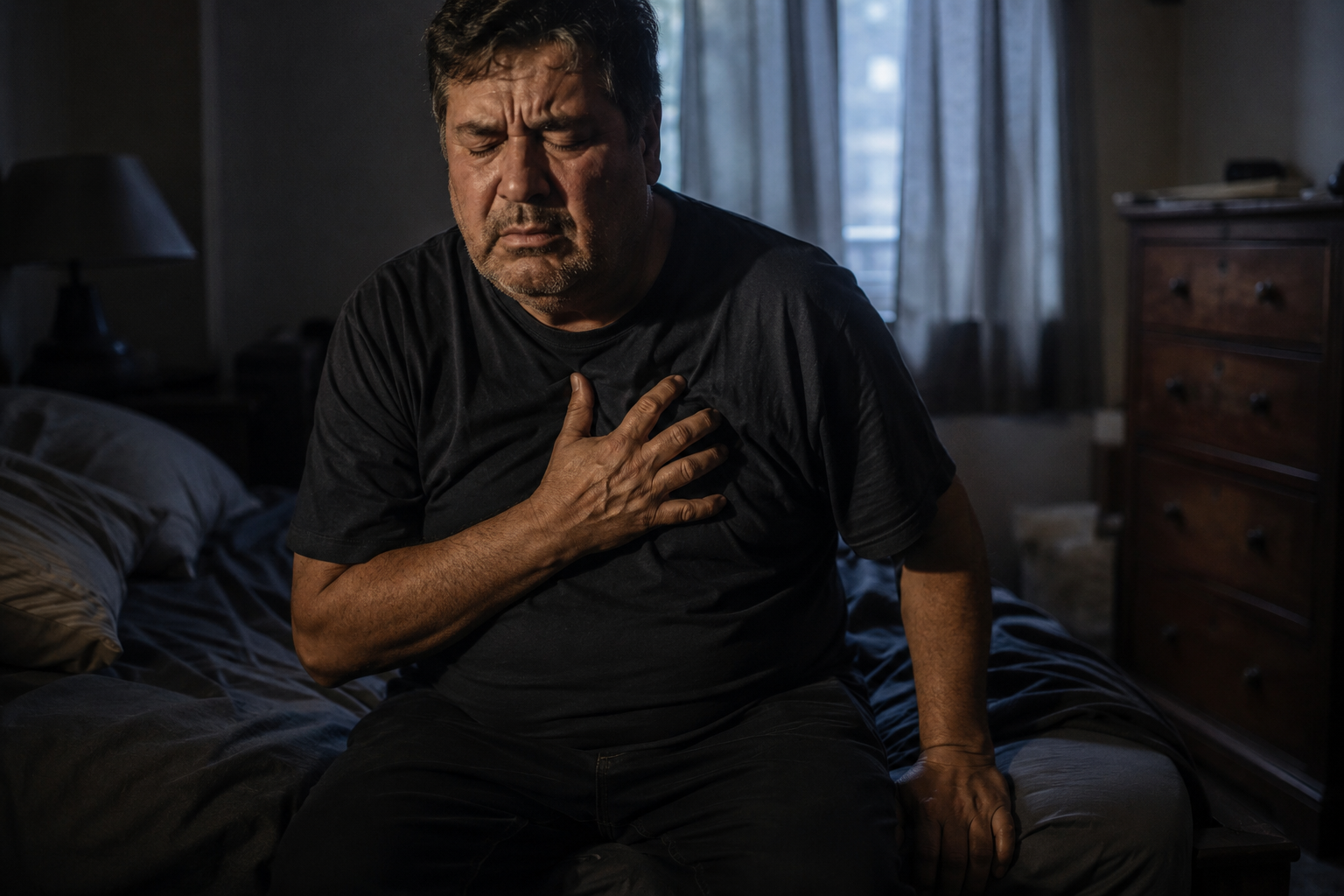
Men and women can both experience chest pain — but women are significantly more likely to have a heart attack without it.
Women are more likely to report:
- Fatigue that comes on suddenly and feels extreme
- Nausea and vomiting
- Jaw pain, neck pain, or upper back pain
- Shortness of breath without chest discomfort
- Indigestion-like symptoms
These differences aren't random. They're partly anatomical and partly hormonal. Before menopause, estrogen provides some cardiovascular protection. After menopause, that protection drops significantly, and women's heart attack risk rises sharply. Women also tend to have smaller coronary arteries, which affects how blockages present and how symptoms develop.
Heart attack symptoms in women are also more likely to be attributed to anxiety, stress, or gastrointestinal problems — by both patients and clinicians. That delay costs lives.
If a woman in your life is describing fatigue, jaw pain, or nausea alongside any feeling that "something's not right," take it seriously. The symptoms don't have to match the textbook picture.
Warning Signs That Can Appear Days Before a Heart Attack
This is the part most people don't know about.
In many cases, the body sends signals days — sometimes a week — before a major cardiac event. Researchers call these prodromal symptoms. Studies have found that more than half of heart attack patients experienced warning signs in the days leading up to it.
These early signals include:
- Unusual fatigue that doesn't improve with rest
- Recurring chest discomfort that comes and goes
- Shortness of breath during activities that didn't used to cause it
- Disrupted sleep for no clear reason
- A vague sense of unease or that something feels "off"
The challenge: these symptoms are easy to attribute to stress, overwork, or getting older. Many people who experience them don't connect the dots until after the event.
Here's the thing — you don't need to diagnose yourself. If you're experiencing any combination of these symptoms, especially if you have known risk factors, that's reason enough to call your doctor. Not next week. Today.
Heart Attack vs. Panic Attack: How to Tell the Difference
This distinction matters, and it's harder to make in the moment than people expect.
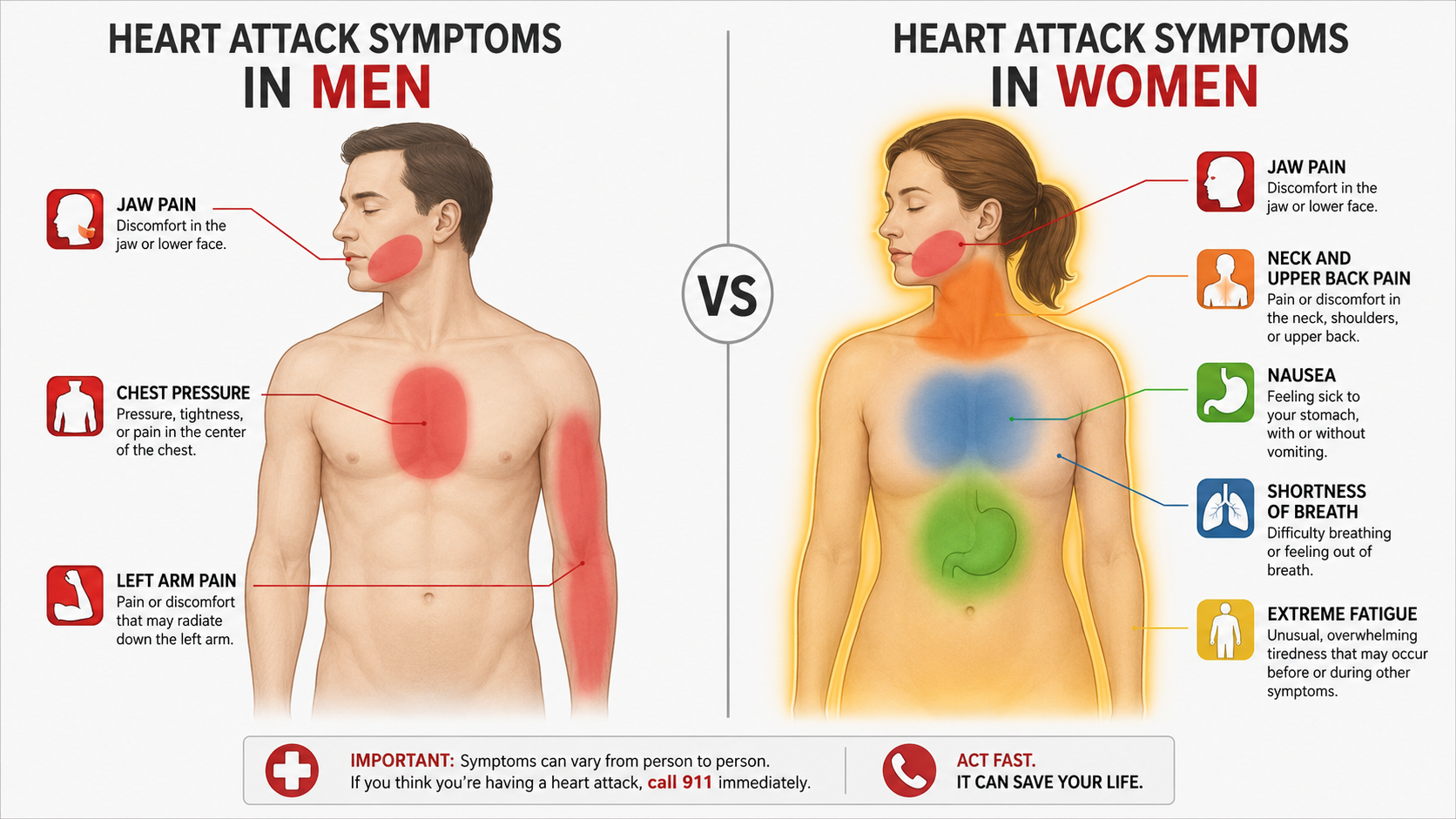
Panic attacks and heart attacks share several symptoms: chest tightness, shortness of breath, rapid heartbeat, sweating, and a sense of dread. Panic attacks can feel genuinely terrifying, which makes the overlap worse.
Some differences:
Onset. Panic attacks typically peak within 10 minutes and resolve within 20–30. Heart attack symptoms tend to persist and often worsen over time.
Physical exertion. Heart attack symptoms may be triggered or worsened by activity. Panic attacks often happen at rest or in response to a stressor.
Pain location. Heart attacks more commonly involve pain that radiates — to the arm, jaw, or back. Panic attacks tend to feel localized to the chest.
What helps. Panic attacks often respond to breathing exercises and reassurance. Heart attack symptoms don't resolve this way.
The safest approach: if you're not certain, treat it like a heart attack. Call 911. A panic attack you misidentify as a heart attack costs you a hospital visit. A heart attack you dismiss as a panic attack can kill you.
What to Do the Moment You Suspect a Heart Attack
The first ten minutes matter more than most people realize.
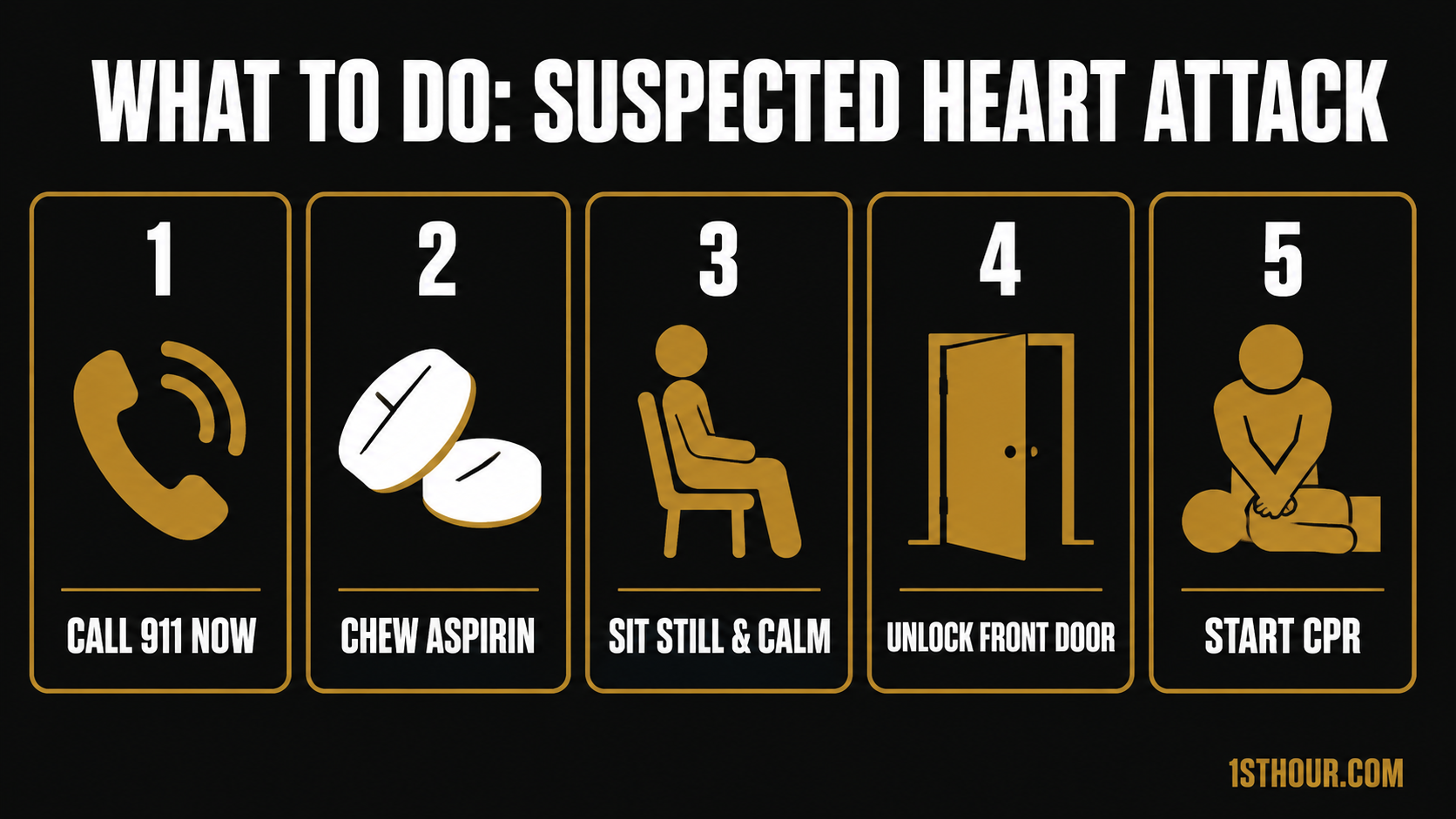
Here's what to do — for yourself or someone nearby:
- Call 911 immediately. Don't drive to the hospital. Don't wait to see if symptoms improve. Emergency responders can begin treatment en route and alert the hospital before arrival.
- Chew aspirin if available. One adult aspirin (325mg) or four low-dose aspirins (81mg each) chewed — not swallowed whole — can help slow clot formation. Only do this if the person is not allergic to aspirin and is conscious and able to swallow.
- Stay calm and still. Physical exertion increases the heart's demand for oxygen. Sit or lie down. Loosen tight clothing.
- Unlock the front door. If you're alone, unlock the door so emergency responders can enter if you lose consciousness.
- If the person loses consciousness and stops breathing, start CPR. Hands-only CPR — 100–120 compressions per minute, hard and fast in the center of the chest — can keep oxygenated blood moving until help arrives. If an AED is nearby, use it.
Time from symptom onset to treatment is one of the strongest predictors of outcome. Every minute of delay is muscle damage. Get help moving before you're certain — not after.
Risk Factors That Make Warning Signs More Urgent
Anyone can have a heart attack. But certain factors raise the stakes.
If you or someone near you is experiencing warning signs alongside any of these, the threshold to call 911 should be lower:
- Age (men over 45, women over 55)
- History of heart disease or prior heart attack
- High blood pressure or high cholesterol
- Diabetes
- Smoking, current or former
- Family history of heart disease
- Obesity
- Sedentary lifestyle
- High chronic stress
Having one or two of these doesn't mean a heart attack is coming. But it does mean warning signs deserve more — not less — immediate attention. "It's probably nothing" is a more dangerous assumption when risk factors are present.
Should You Have a Heart Emergency Plan Before One Happens?
Most people plan for minor emergencies. Bandages, burn cream, maybe a basic first aid kit. Very few people think through what happens if someone in their household or workplace has a cardiac event.
What a simple plan includes:
- Knowing the address to give emergency services (this sounds obvious; people forget under stress)
- Knowing where the nearest AED is — at work, in public buildings, at the gym
- Having at least one person in the household or team trained in CPR
- Keeping a basic emergency kit accessible, with aspirin among the supplies
- Knowing the warning signs well enough to act on them rather than second-guess them
The gap between recognizing a heart attack and knowing what to do next is where lives are lost. You can close that gap before you ever need to use it.
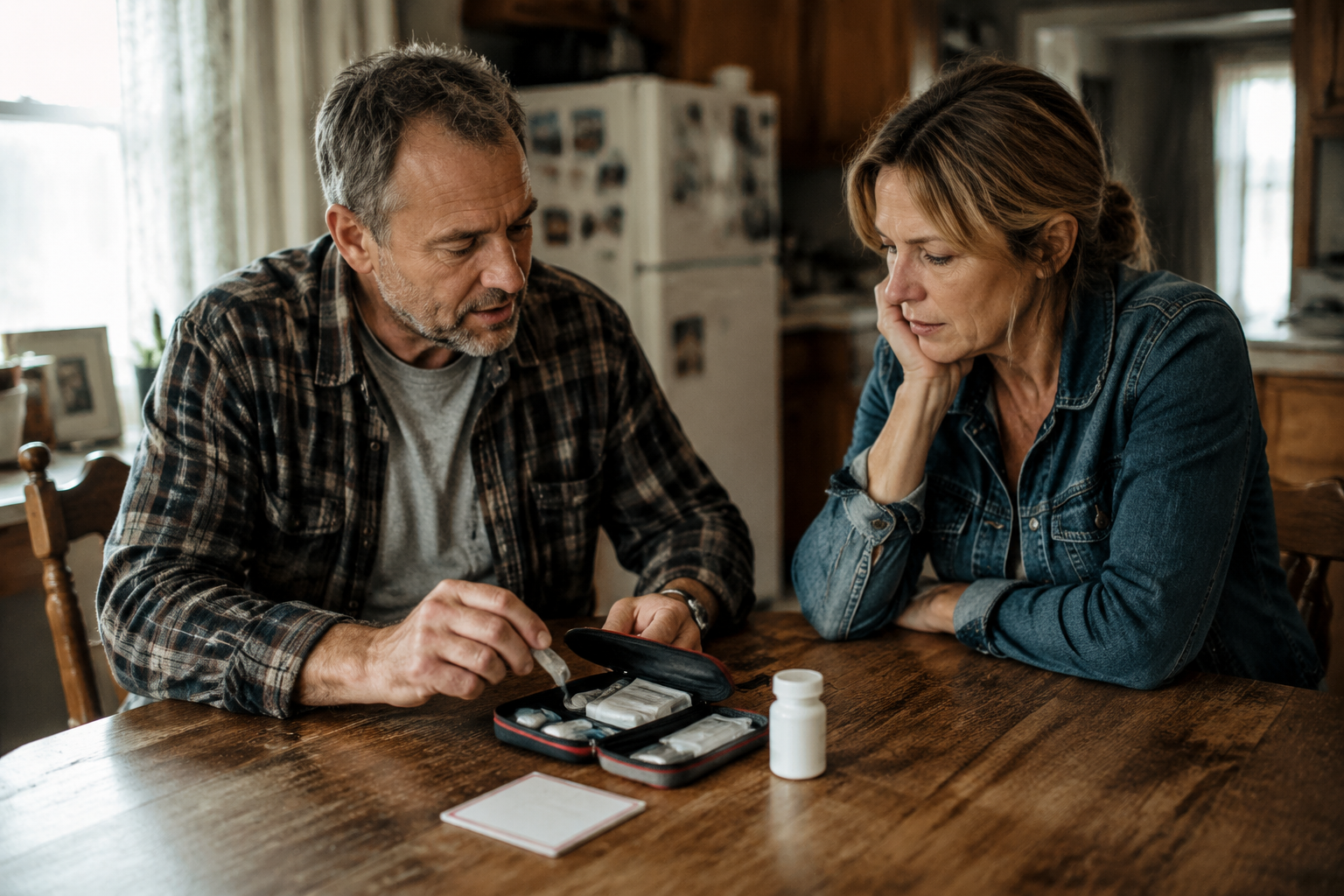
1st Hour builds emergency preparedness gear for exactly this kind of moment — the one where training and preparation determine what happens next. If you're thinking about what your household needs to be ready, start with our emergency preparedness kit and first aid essentials.
This content is for informational purposes only and does not constitute medical advice. Always seek guidance from a qualified healthcare professional.


